
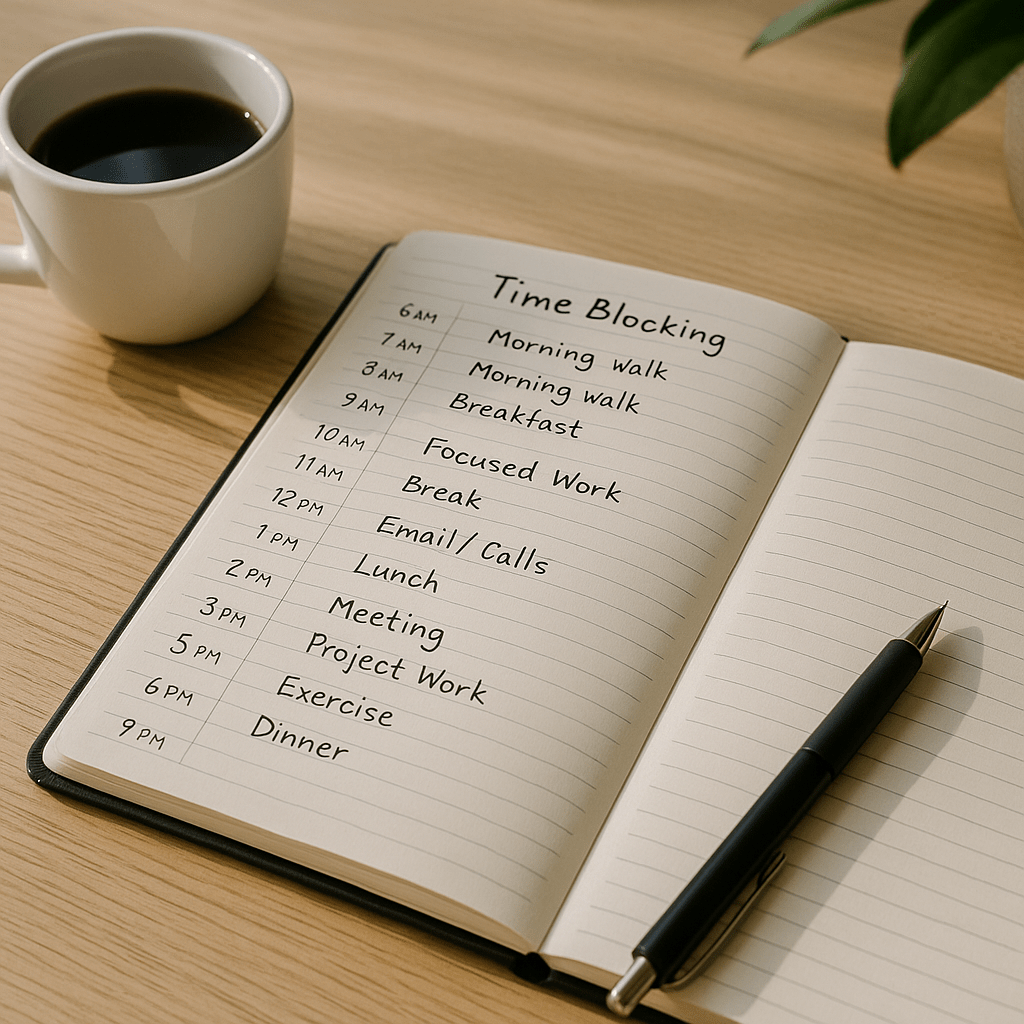
अंग्रेजी व्याकरण की नींव Is, am, और are जैसे मूलभूत शब्दों पर टिकी है। इन तीन क्रिया रूपों में महारत हासिल करना किसी भी शुरुआती शिक्षार्थी के लिए आवश्यक है। यह लेख आपको is am are sentences in hindi exercise के माध्यम से इन शब्दों का सटीक उपयोग सिखाएगा। ये शब्द सरल Present Tense में सबसे महत्वपूर्ण Auxiliary Verbs और Linking Verbs के रूप में कार्य करते हैं। इनका सही प्रयोग समझने से आपको Basic English Grammar और Subject-Verb Agreement में सटीकता प्राप्त करने में मदद मिलती है। इस मार्गदर्शिका का उद्देश्य हिंदी भाषी छात्रों को व्यावहारिक उदाहरणों और व्यापक अभ्यास सेटों के माध्यम से इन अवधारणाओं को स्पष्ट करना है।
Is, Am, Are का वास्तविक अर्थ और मौलिक भूमिका
अंग्रेजी सीखने की शुरुआत में इन तीन शब्दों के अर्थ और उनकी भूमिका को समझना बहुत ज़रूरी है। ‘Is,’ ‘Am,’ और ‘Are’ तीनों ही Verb ‘to be’ के वर्तमान काल (Present Tense) के रूप हैं। ये वाक्य में कर्ता (Subject) की स्थिति, पहचान, या अवस्था बताते हैं।
हिंदी में Is, Am, Are के सटीक अर्थ
ये शब्द वाक्य के संदर्भ के अनुसार अलग-अलग अर्थ दे सकते हैं। इनका मुख्य उद्देश्य वर्तमान स्थिति को व्यक्त करना होता है।
| English Word | Hindi Meaning | Context/Usage |
|---|---|---|
| Is | है, होता है, होती है | एकवचन कर्ता (Singular Subject) के लिए। |
| Am | हूँ | केवल ‘I’ (मैं) कर्ता के लिए। |
| Are | हैं, हो, होते हैं | बहुवचन कर्ता (Plural Subject) और ‘You’ के लिए। |
Is, Am, Are की दोहरी भूमिका: मुख्य क्रिया या सहायक क्रिया
Is, am, और are’ दो मुख्य भूमिका निभाते हैं। ये मुख्य क्रिया (Main Verb) हो सकते हैं। ये सहायक क्रिया (Helping Verb) भी हो सकते हैं। दोनों की भूमिका व्याकरण में अलग है। जब ये मुख्य क्रिया के रूप में आते हैं, तो ये Simple Present Tense का हिस्सा होते हैं। इस स्थिति में, ये Subject की वर्तमान अवस्था (State) बताते हैं। जब ये सहायक क्रिया होते हैं, तो ये Present Continuous Tense में कार्य करते हैं।

Present Tense में Is, Am, Are का उपयोग: Subject-Verb Agreement
Subject-Verb Agreement (कर्ता-क्रिया समझौता) का नियम सबसे महत्वपूर्ण है। इस नियम के तहत, क्रिया (Verb) हमेशा कर्ता (Subject) के वचन (Number) और पुरुष (Person) से सहमत होनी चाहिए।
‘Am’ का उपयोग (I के साथ)
‘Am’ सबसे सरल है। इसका उपयोग हमेशा केवल प्रथम पुरुष एकवचन कर्ता ‘I’ (मैं) के साथ किया जाता है। यह हमेशा वर्तमान काल की स्थिति को दर्शाता है।
| Rule | Example Sentence | Hindi Translation |
|---|---|---|
| I + Am | I am happy. | मैं खुश हूँ। |
| I + Am | I am a dedicated student. | मैं एक समर्पित विद्यार्थी हूँ। |
‘Is’ का उपयोग (एकवचन कर्ता के साथ)
‘Is’ का उपयोग हमेशा तीसरे पुरुष एकवचन (Third Person Singular) कर्ता के साथ होता है। इसमें एक व्यक्ति, एक वस्तु, या एक विचार शामिल होता है।
| Subject Category | Examples | Example Sentence | Hindi Translation |
|---|---|---|---|
| Singular Pronouns | He, She, It | He is my brother. | वह मेरा भाई है। |
| Singular Noun (Name) | Ram, Sita, The dog | The car is new. | कार नई है। |
| Uncountable Nouns | Water, Information | Water is necessary for life. | पानी जीवन के लिए ज़रूरी है। |
‘Are’ का उपयोग (बहुवचन कर्ता और ‘You’ के साथ)
‘Are’ का उपयोग बहुवचन कर्ता (Plural Subjects) के साथ किया जाता है। इसमें प्रथम पुरुष बहुवचन (We), द्वितीय पुरुष (You), और तृतीय पुरुष बहुवचन (They) शामिल हैं। ‘You’ के साथ, चाहे वह एकवचन हो या बहुवचन, हमेशा ‘Are’ का ही प्रयोग होता है।
| Subject Category | Examples | Example Sentence | Hindi Translation |
|---|---|---|---|
| Plural Pronouns | We, They | We are ready for the test. | हम परीक्षा के लिए तैयार हैं। |
| The Second Person | You (Singular/Plural) | You are very kind. | आप बहुत दयालु हैं। |
| Plural Nouns | Books, Children, Trees | The children are playing outside. | बच्चे बाहर खेल रहे हैं। |
Is Am Are Sentences In Hindi Exercise: सहायक क्रियाओं is, am और are का उपयोग दिखाते हुए एक चार्ट, जो विभिन्न कर्ताओं के साथ उनके सटीक मिलान को दर्शाता है।
भाग 1: Simple Present Tense में Is, Am, Are का उपयोग (मुख्य क्रिया)
जब Is, Am, Are वाक्य में मुख्य क्रिया (Main Verb) की तरह काम करते हैं, तो ये Subject की पहचान (Identity), गुण (Quality), या वर्तमान स्थिति (Status) को जोड़ते हैं। ये ‘Linking Verbs’ (संयोजक क्रिया) कहलाते हैं।
1. सकारात्मक वाक्य (Positive/Affirmative Sentences)
Formula: Subject + is/am/are + Object (Noun/Adjective/Phrase).
| Sr. No. | English Sentence | Hindi Translation |
|---|---|---|
| 1. | I am a teacher. | मैं एक शिक्षक हूँ। |
| 2. | She is smart. | वह बुद्धिमान है। |
| 3. | The books are on the table. | किताबें मेज पर हैं। |
| 4. | We are late for the meeting. | हमें मीटिंग के लिए देर हो गई है। |
| 5. | It is cold today. | आज ठंड है। |
2. नकारात्मक वाक्य (Negative Sentences)
नकारात्मक वाक्यों में, ‘not’ का उपयोग is/am/are के तुरंत बाद किया जाता है।
Formula: Subject + is/am/are + not + Object.
| Sr. No. | English Sentence | Hindi Translation |
|---|---|---|
| 1. | I am not interested in this project. | मेरी इस प्रोजेक्ट में रुचि नहीं है। |
| 2. | He is not a professional cricketer. | वह पेशेवर क्रिकेटर नहीं है। |
| 3. | They are not ready to compromise. | वे समझौता करने के लिए तैयार नहीं हैं। |
| 4. | The information is not accurate. | जानकारी सटीक नहीं है। |
| 5. | You are not feeling well. | आपकी तबीयत ठीक नहीं है। |
इन वाक्यों में is, am, are कर्ता की वर्तमान स्थिति को नकार रहे हैं। व्याकरण की दृष्टि से, ‘not’ हमेशा लिंकिंग वर्ब के बाद ही आता है। यह Simple Present Tense की मूलभूत विशेषता है।
3. प्रश्नवाचक वाक्य (Interrogative Sentences – Yes/No Type)
प्रश्न पूछने के लिए, is/am/are को Subject से पहले रखा जाता है। ये ऐसे प्रश्न होते हैं जिनका उत्तर हाँ या ना (Yes/No) में दिया जा सकता है।
Formula: Is/Am/Are + Subject + Object?
| Sr. No. | English Sentence | Hindi Translation |
|---|---|---|
| 1. | Am I right about this matter? | क्या मैं इस मामले में सही हूँ? |
| 2. | Is Ram hungry now? | क्या राम अभी भूखा है? |
| 3. | Are those your new shoes? | क्या वे तुम्हारे नए जूते हैं? |
| 4. | Is the meeting at 9 AM? | क्या मीटिंग सुबह 9 बजे है? |
| 5. | Are the arrangements perfect? | क्या व्यवस्थाएं सही हैं? |
4. नकारात्मक प्रश्नवाचक वाक्य (Negative Interrogative Sentences)
ये प्रश्न पूछने के साथ-साथ नकारने का भाव भी व्यक्त करते हैं। इसमें is/am/are Subject से पहले आता है, और ‘not’ Subject के बाद।
Formula: Is/Am/Are + Subject + not + Object? (Contraction forms like Isn’t, Aren’t are also common).
| Sr. No. | English Sentence | Hindi Translation |
|---|---|---|
| 1. | Are you not feeling the pressure? | क्या आप दबाव महसूस नहीं कर रहे हैं? |
| 2. | Is this not the correct address? | क्या यह सही पता नहीं है? |
| 3. | Am I not responsible for this duty? | क्या मैं इस कर्तव्य के लिए जिम्मेदार नहीं हूँ? |
| 4. | Are they not the winners? | क्या वे विजेता नहीं हैं? |
| 5. | Is the water not clean? | क्या पानी साफ नहीं है? |
भाग 2: Present Continuous Tense में Is, Am, Are का उपयोग (सहायक क्रिया)
Present Continuous Tense उन कार्यों को व्यक्त करता है जो वर्तमान समय में चल रहे हैं। इस Tense में, Is, Am, Are सहायक क्रिया (Helping Verb) के रूप में कार्य करते हैं। इनका मुख्य क्रिया (V1 + ing) के साथ मिलकर यह दर्शाना होता है कि क्रिया जारी है।
1. सकारात्मक वाक्य (Positive Sentences)
Formula: Subject + is/am/are + Verb (V1 + ing) + Object.
| Sr. No. | English Sentence | Hindi Translation |
|---|---|---|
| 1. | I am studying for my exams. | मैं अपनी परीक्षा की पढ़ाई कर रहा हूँ। |
| 2. | She is working on a new assignment. | वह एक नए असाइनमेंट पर काम कर रही है। |
| 3. | We are planning a trip to Mumbai. | हम मुंबई की यात्रा की योजना बना रहे हैं। |
| 4. | The phone is ringing loudly. | फोन ज़ोर से बज रहा है। |
| 5. | They are watching a movie right now. | वे अभी एक फिल्म देख रहे हैं। |
यह संरचना दर्शाती है कि क्रिया (studying, working, planning, ringing, watching) अभी घटित हो रही है। सहायक क्रिया (is, am, are) Subject के अनुसार वचन और पुरुष को सुनिश्चित करती है।
2. नकारात्मक वाक्य (Negative Sentences)
Present Continuous Tense में कार्य के न होने को दर्शाने के लिए, ‘not’ का उपयोग सहायक क्रिया के तुरंत बाद होता है।
Formula: Subject + is/am/are + not + Verb (V1 + ing) + Object.
| Sr. No. | English Sentence | Hindi Translation |
|---|---|---|
| 1. | I am not paying attention to the noise. | मैं शोर पर ध्यान नहीं दे रहा हूँ। |
| 2. | It is not raining heavily anymore. | अब ज़ोरदार बारिश नहीं हो रही है। |
| 3. | The students are not cheating in the test. | विद्यार्थी परीक्षा में नकल नहीं कर रहे हैं। |
| 4. | He is not trying hard enough. | वह पर्याप्त मेहनत नहीं कर रहा है। |
| 5. | You are not eating your lunch. | आप अपना दोपहर का भोजन नहीं खा रहे हैं। |
3. प्रश्नवाचक वाक्य (Interrogative Sentences)
सवाल पूछने के लिए, सहायक क्रिया (Is/Am/Are) को Subject से पहले रखा जाता है।
Formula: Is/Am/Are + Subject + Verb (V1 + ing) + Object?
| Sr. No. | English Sentence | Hindi Translation |
|---|---|---|
| 1. | Am I talking too fast? | क्या मैं बहुत तेज़ी से बोल रहा हूँ? |
| 2. | Is the baby sleeping peacefully? | क्या बच्चा शांति से सो रहा है? |
| 3. | Are they selling their house? | क्या वे अपना घर बेच रहे हैं? |
| 4. | Is the manager reviewing the reports? | क्या प्रबंधक रिपोर्टों की समीक्षा कर रहा है? |
| 5. | Are we moving in the right direction? | क्या हम सही दिशा में जा रहे हैं? |
4. नकारात्मक प्रश्नवाचक वाक्य (Negative Interrogative Sentences)
Formula: Is/Am/Are + Subject + not + Verb (V1 + ing) + Object?
| Sr. No. | English Sentence | Hindi Translation |
|---|---|---|
| 1. | Is she not listening to the instructions? | क्या वह निर्देशों को नहीं सुन रही है? |
| 2. | Are you not preparing for the interview? | क्या आप साक्षात्कार की तैयारी नहीं कर रहे हैं? |
| 3. | Am I not encouraging the team? | क्या मैं टीम को प्रोत्साहित नहीं कर रहा हूँ? |
| 4. | Are the lights not working properly? | क्या लाइटें ठीक से काम नहीं कर रही हैं? |
| 5. | Is the dog not following your commands? | क्या कुत्ता आपके आदेशों का पालन नहीं कर रहा है? |
Is Am Are Sentences In Hindi Exercise: Present Continuous Tense में सहायक क्रियाओं का प्रयोग और V1+ing के साथ सकारात्मक और नकारात्मक वाक्यों के निर्माण को समझाता हुआ एक सचित्र उदाहरण।
भाग 3: विशेष उपयोग और आम गलतियाँ (Advanced Contexts)
Is, am, are का उपयोग सिर्फ सामान्य Simple Present और Continuous Tense तक सीमित नहीं है। इन्हें अन्य जटिल संरचनाओं में भी इस्तेमाल किया जाता है। एक कुशल अंग्रेजी वक्ता बनने के लिए इन संदर्भों को समझना महत्वपूर्ण है।
1. Passive Voice में उपयोग
Present Continuous Tense के Passive Voice में Is, Am, Are का उपयोग ‘being’ के साथ होता है। यह दर्शाता है कि किसी Subject पर कोई क्रिया हो रही है।
| English Sentence (Passive) | Hindi Translation |
|---|---|
| The house is being renovated. | घर का नवीनीकरण किया जा रहा है। |
| I am being interviewed by the panel. | मेरा साक्षात्कार पैनल द्वारा लिया जा रहा है। |
| The rules are being explained clearly. | नियम स्पष्ट रूप से समझाए जा रहे हैं। |
2. Contractions (संक्षिप्त रूप)
बोलचाल की अंग्रेजी में संक्षिप्त रूपों (Contractions) का उपयोग बहुत आम है। इनका उपयोग प्रवाह और गतिशीलता बढ़ाता है।
| Full Form | Contraction | Example Usage | Hindi Translation |
|---|---|---|---|
| I am | I’m | I’m ready. | मैं तैयार हूँ। |
| He is, She is, It is | He’s, She’s, It’s | She’s here. | वह यहाँ है। |
| You are, We are, They are | You’re, We’re, They’re | They’re going home. | वे घर जा रहे हैं। |
| Is not | Isn’t | He isn’t coming. | वह नहीं आ रहा है। |
| Are not | Aren’t | We aren’t busy. | हम व्यस्त नहीं हैं। |
ध्यान दें: ‘Am not’ का कोई मानक संक्षिप्त रूप नहीं है। बोलचाल में अक्सर ‘Aren’t I?’ का उपयोग होता है, लेकिन यह औपचारिक लेखन में टाला जाता है।
3. सबसे आम गलतियाँ (Common Mistakes)
हिंदी भाषी छात्र अक्सर Is, Am, Are का उपयोग करते समय दो मुख्य गलतियाँ करते हैं:
- गलती 1: Do/Does के साथ भ्रम: छात्र अक्सर Simple Present Tense (Habits, Facts) में Is/Am/Are का उपयोग करते हैं जहाँ V1 (क्रिया का मूल रूप) का उपयोग होना चाहिए।
- गलत: He is studies daily.
- सही: He studies daily. (यहां ‘is’ की जरूरत नहीं है क्योंकि ‘study’ मुख्य क्रिया है।)
- गलती 2: क्रिया की अनुपस्थिति: जब Is/Am/Are लिंकिंग वर्ब के रूप में उपयोग होते हैं, तो यह सुनिश्चित करें कि आप Subject की स्थिति या गुण बता रहे हैं, न कि कोई क्रिया (Action) कर रहे हैं।
- गलत: We are run fast.
- सही: We run fast. (या) We are running fast.
यह is am are sentences in hindi exercise आपको इन सूक्ष्म गलतियों को पहचानने और सुधारने में मदद करेगा।
भाग 4: व्यापक अभ्यास सेट (Comprehensive Exercise Sets)
व्याकरण तभी मजबूत होती है जब आप उसका लगातार अभ्यास करते हैं। यह खंड is am are ka use को पुख्ता करने के लिए डिज़ाइन किया गया है।
अभ्यास सेट 1: रिक्त स्थान भरें (Fill in the Blanks)
कोष्ठक में दिए गए Subject के अनुसार सही रूप (Is, Am, Are) का चयन करें।
- I ____ (I) feeling unwell today.
- The management team ____ (It) reviewing the budget.
- ____ (They) the best players in the league?
- My parents ____ (They) planning a big party.
- Why ____ (She) always late for work?
- You ____ (You) responsible for this failure.
- The information provided ____ (It) extremely helpful.
- We ____ (We) moving to a new city next month.
- ____ (I) not allowed to enter the restricted area?
- The water in the river ____ (It) flowing fast.
अभ्यास सेट 2: हिंदी से अंग्रेजी अनुवाद (Translation Exercise)
दिए गए हिंदी वाक्यों को Simple Present या Present Continuous Tense का उपयोग करते हुए अंग्रेजी में अनुवाद करें।
- वे लोग बहुत दयालु हैं।
- क्या मैं सही दिशा में आगे बढ़ रहा हूँ?
- मेरा भाई अभी फोन पर बात नहीं कर रहा है।
- यह विचार बहुत रचनात्मक है।
- आप ईमानदारी से काम क्यों नहीं कर रहे हैं?
- शिक्षक कक्षा में बच्चों को पढ़ा रहे हैं।
- मैं किसी का इंतजार नहीं कर रहा हूँ।
- क्या वह एक अच्छा नेता है?
- वे अपने भविष्य के बारे में चिंतित हैं।
- क्या वे तुम्हारी मदद नहीं कर रहे हैं?
अभ्यास सेट 3: वाक्य में त्रुटि सुधारें (Error Correction)
दिए गए वाक्यों में Is, Am, Are के उपयोग में गलती है। गलती पहचानें और सही वाक्य लिखें।
- The students is going to the library right now.
- He are a very successful businessman.
- Am I know the answer to this complex question?
- Why you is looking at me so strangely?
- The luggage are too heavy for me to carry alone.
अभ्यास सेट 4: विस्तृत वाक्य निर्माण (Extended Sentence Construction)
निर्देशों का पालन करते हुए Is, Am, Are का उपयोग करके वाक्य बनाएँ।
- ‘I’ के साथ एक नकारात्मक वाक्य बनाएँ (Simple Present, describing a quality)।
- (Example: I am not a fan of classical music.)
- ‘She’ के साथ एक प्रश्नवाचक वाक्य बनाएँ (Present Continuous)।
- ‘The company’ के साथ एक सकारात्मक वाक्य बनाएँ (Simple Present, describing status)।
- ‘They’ के साथ एक नकारात्मक-प्रश्नवाचक वाक्य बनाएँ (Present Continuous)।
- ‘We’ के साथ एक सकारात्मक वाक्य बनाएँ (Present Continuous)।
Solution (अभ्यास सेट 1: रिक्त स्थान भरें)
- I am feeling unwell today.
- The management team is reviewing the budget.
- Are they the best players in the league?
- My parents are planning a big party.
- Why is she always late for work?
- You are responsible for this failure.
- The information provided is extremely helpful.
- We are moving to a new city next month.
- Am I not allowed to enter the restricted area?
- The water in the river is flowing fast.
Solution (अभ्यास सेट 2: हिंदी से अंग्रेजी अनुवाद)
- They are very kind.
- Am I moving in the right direction?
- My brother is not talking on the phone right now.
- This idea is very creative.
- Why are you not working honestly?
- The teacher is teaching the children in the class.
- I am not waiting for anyone.
- Is he a good leader?
- They are worried about their future.
- Are they not helping you?
Solution (अभ्यास सेट 3: वाक्य में त्रुटि सुधारें)
- गलत: The students is going to the library right now.
- सही: The students are going to the library right now.
- गलत: He are a very successful businessman.
- सही: He is a very successful businessman.
- गलत: Am I know the answer to this complex question?
- सही: Do I know the answer to this complex question? (या) Am I aware of the answer? (लिंकिंग वर्ब के रूप में)
- गलत: Why you is looking at me so strangely?
- सही: Why are you looking at me so strangely?
- गलत: The luggage are too heavy for me to carry alone.
- सही: The luggage is too heavy for me to carry alone. (Luggage एक Uncountable Noun है।)
Solution (अभ्यास सेट 4: विस्तृत वाक्य निर्माण)
- I am not very good at mathematics.
- Is she preparing the presentation for tomorrow?
- The company is the market leader in technology.
- Aren’t they waiting for the bus outside? (या Are they not waiting for the bus outside?)
- We are attending a compulsory workshop this afternoon.
यह विस्तृत मार्गदर्शिका और is am are sentences in hindi exercise आपको Is, Am, और Are के उपयोग को गहराई से समझने में सहायक सिद्ध हुई होगी। इन तीन मूलभूत क्रियाओं में महारत हासिल करना अंग्रेजी व्याकरण की नींव को मजबूत करता है। इन्हें Main Verb (स्थिति बताने) और Helping Verb (जारी क्रिया बताने) दोनों रूपों में अभ्यास करके, आप Present Tense में आत्मविश्वास के साथ संवाद कर सकते हैं। इन नियमों का निरंतर अभ्यास आपको प्रवाहपूर्ण अंग्रेजी बोलने की दिशा में एक महत्वपूर्ण कदम है।
Last Updated on 11/11/2025 by Emma Collins

Hello there! I’m Emma Collins, your English instructor at Skilled English. Learning a new language doesn’t have to be stressful or confusing — and I’m here to prove it. With over 6 years of experience teaching English to beginners, my goal is to help you feel confident in speaking, writing, and understanding English step by step. Read more


