
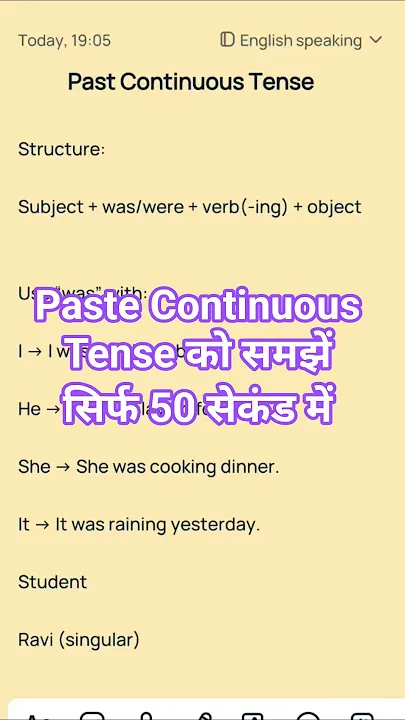
अंग्रेजी व्याकरण में महारत हासिल करने के लिए, past continuous tense examples in hindi को समझना आवश्यक है। यह अपूर्ण भूतकाल की क्रियाओं को दर्शाता है जो भूतकाल में एक निश्चित समय पर चल रही थीं, लेकिन पूरी नहीं हुई थीं। Skilled English का लक्ष्य है कि आप सहायक क्रिया (was/were) के सही प्रयोग और क्रिया की बनावट को आसानी से सीख सकें। यह लेख was/were का प्रयोग करते हुए सरल से जटिल वाक्यों का गहन अभ्यास प्रस्तुत करता है और दिखाता है कि अपूर्ण भूतकाल की अवधारणा भारतीय छात्रों के लिए कितनी व्यावहारिक है।
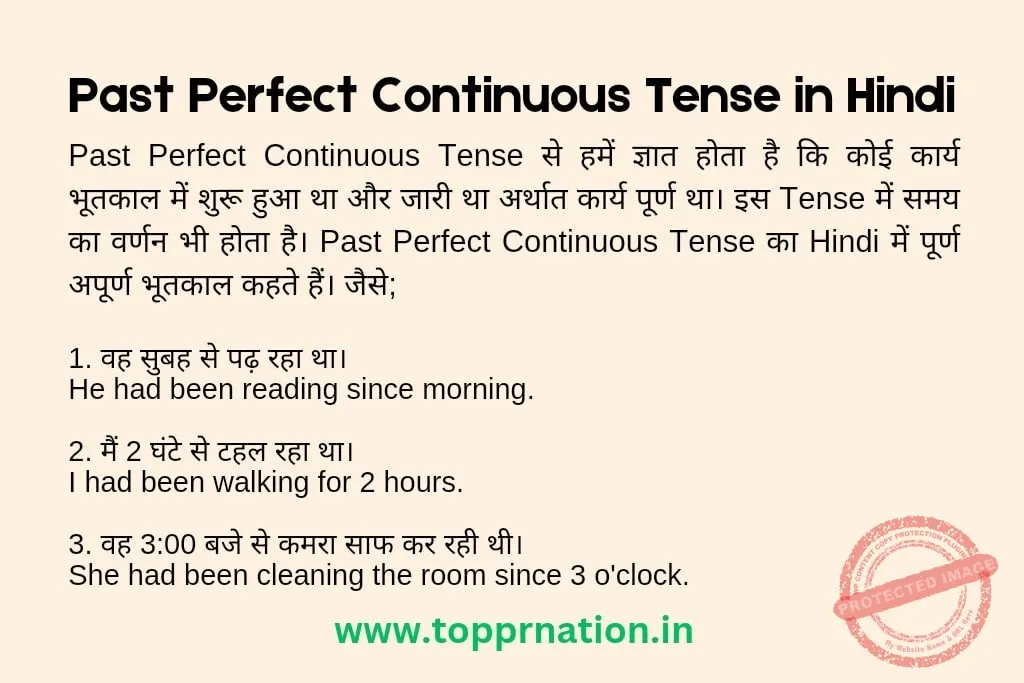
Past Continuous Tense क्या है?
Past Continuous Tense (अपूर्ण भूतकाल) उन कार्यों या घटनाओं को व्यक्त करता है जो भूतकाल में किसी विशेष क्षण पर जारी थे। हिंदी वाक्यों की पहचान क्रिया के अंत में ‘रहा था’, ‘रही थी’, या ‘रहे थे’ से होती है। यह टेंस उस समय को दर्शाता है जब क्रिया शुरू हो चुकी थी लेकिन समाप्त नहीं हुई थी।
यह भूतकाल की ऐसी क्रियाओं को बताने के लिए उपयोग होता है जिनका विवरण देते समय दर्शक की आँखों के सामने दृश्य चल रहा था। उदाहरण के लिए, “मैं कल शाम 7 बजे खाना बना रहा था।” इसका मतलब है कि 7 बजे खाना बनाने की क्रिया जारी थी।
इस टेंस का उपयोग अक्सर Past Simple Tense के साथ किया जाता है। जब कोई लम्बी क्रिया चल रही हो और कोई छोटी क्रिया उसे बाधित कर दे, तब लम्बी क्रिया के लिए Past Continuous का प्रयोग होता है। यह अवधारणा व्याकरणिक रूप से बहुत महत्वपूर्ण है।

Past Continuous Tense के नियम और संरचना
Past Continuous Tense की बनावट प्रेजेंट कंटीन्यूअस टेंस (Present Continuous Tense) के समान ही होती है, केवल सहायक क्रिया (Auxiliary Verb) बदल जाती है। इस टेंस के निर्माण के लिए दो मुख्य घटकों का पालन किया जाता है: सहायक क्रिया (was/were) और मुख्य क्रिया (V1 + ing)।
सहायक क्रिया Was और Were का प्रयोग
सहायक क्रिया का चयन कर्ता (Subject) के वचन (Singular/Plural) और पुरुष (Person) पर निर्भर करता है। यह नियम अपूर्ण भूतकाल के वाक्यों की नींव है।
Was का प्रयोग
‘Was’ का प्रयोग सभी एकवचन कर्ताओं (Singular Subjects) के साथ किया जाता है। इसमें पहला पुरुष एकवचन (First Person Singular) भी शामिल है।
| कर्ता (Subject) | उदाहरण वाक्य |
|---|---|
| I (मैं) | मैं पढ़ रहा था। |
| He (वह पुरुष) | वह सो रहा था। |
| She (वह स्त्री) | वह गाना गा रही थी। |
| It (यह) | यह काम कर रहा था। |
| Singular Noun (एकवचन संज्ञा) | रमेश दौड़ रहा था। |
Were का प्रयोग
‘Were’ का प्रयोग सभी बहुवचन कर्ताओं (Plural Subjects) के साथ किया जाता है, साथ ही दूसरे पुरुष एकवचन (You) के साथ भी।
| कर्ता (Subject) | उदाहरण वाक्य |
|---|---|
| You (तुम/आप) | तुम खेल रहे थे। |
| We (हम) | हम जा रहे थे। |
| They (वे) | वे बात कर रहे थे। |
| Plural Noun (बहुवचन संज्ञा) | लड़के कूद रहे थे। |
मुख्य क्रिया (Main Verb) का रूप
Past Continuous Tense में, मुख्य क्रिया (Main Verb) के प्रथम रूप (V1) में हमेशा -ing जोड़ा जाता है। इसे Present Participle रूप भी कहा जाता है। यह क्रिया की निरंतरता को दर्शाता है।
उदाहरण के लिए:
- Go (जाना) becomes going
- Read (पढ़ना) becomes reading
- Write (लिखना) becomes writing
विभिन्न प्रकार के वाक्यों की संरचना (Sentence Structure)
Past Continuous Tense में वाक्यों को चार मुख्य प्रकारों में वर्गीकृत किया जाता है। यह वर्गीकरण अभ्यास के लिए अत्यंत महत्वपूर्ण है।
1. साधारण या सकारात्मक वाक्य (Affirmative Sentences)
सकारात्मक वाक्यों में किसी क्रिया के जारी रहने की सीधी पुष्टि की जाती है। इसकी संरचना अत्यंत सरल होती है।
संरचना: Subject + Was/Were + V1 + ing + Object/Remaining Part.
2. नकारात्मक वाक्य (Negative Sentences)
नकारात्मक वाक्यों में क्रिया के जारी रहने का खंडन किया जाता है। इसमें सहायक क्रिया (was/were) के तुरंत बाद ‘not’ जोड़ा जाता है।
संरचना: Subject + Was/Were + not + V1 + ing + Object/Remaining Part.
3. प्रश्नवाचक वाक्य (Interrogative Sentences – Type I)
जब प्रश्न का उत्तर हाँ या नहीं में दिया जा सकता है, तो सहायक क्रिया को कर्ता से पहले रखा जाता है। ये वाक्य हिंदी में ‘क्या’ से शुरू होते हैं।
संरचना: Was/Were + Subject + V1 + ing + Object?
4. प्रश्नवाचक वाक्य (Interrogative Sentences – Type II)
जब प्रश्न का उत्तर विस्तार से देना हो (जैसे क्यों, कब, कहाँ, कैसे), तो प्रश्नवाचक शब्द (Question Word) को वाक्य की शुरुआत में रखा जाता है।
संरचना: Question Word + Was/Were + Subject + V1 + ing + Object?
Past Continuous Tense Examples In Hindi (विस्तृत अभ्यास)
उच्च स्तरीय अंग्रेजी सीखने के लिए हमें सरल नियमों को विस्तृत उदाहरणों के माध्यम से मजबूत करना होगा। यहां विभिन्न प्रकार के Past Continuous Tense Examples In Hindi दिए गए हैं।
1. साधारण (Affirmative) वाक्यों के उदाहरण
ये वे वाक्य हैं जो भूतकाल में चल रहे किसी कार्य की पुष्टि करते हैं। अभ्यास के लिए इन्हें ध्यान से देखें और अनुवाद को समझें।
1. I was watching television.
मैं टेलीविजन देख रहा था।
2. She was talking to her mother.
वह अपनी माँ से बात कर रही थी।
3. The sun was shining brightly.
सूरज तेज़ी से चमक रहा था।
4. We were running in the park.
हम पार्क में दौड़ रहे थे।
5. They were drinking coffee.
वे कॉफी पी रहे थे।
6. My brother was cleaning his room.
मेरा भाई अपना कमरा साफ कर रहा था।
7. The dog was barking at the postman.
कुत्ता डाकिया पर भौंक रहा था।
8. The students were studying quietly.
छात्र चुपचाप पढ़ाई कर रहे थे।
9. He was writing a letter to his friend.
वह अपने दोस्त को एक पत्र लिख रहा था।
10. The teacher was explaining the lesson.
शिक्षक पाठ समझा रहे थे।
11. The birds were flying towards the west.
पक्षी पश्चिम की ओर उड़ रहे थे।
12. The phone was ringing constantly.
फोन लगातार बज रहा था।
13. Raju was learning English grammar.
राजू अंग्रेजी व्याकरण सीख रहा था।
14. We were waiting for the bus.
हम बस का इंतजार कर रहे थे।
15. My friends were planning a trip.
मेरे दोस्त एक यात्रा की योजना बना रहे थे।
16. The farmer was ploughing the field.
किसान खेत जोत रहा था।
17. The wind was blowing gently.
हवा धीरे-धीरे चल रही थी।
18. You were looking very tired.
तुम बहुत थके हुए लग रहे थे।
19. They were building a new house.
वे एक नया घर बना रहे थे।
20. The children were playing hide and seek.
बच्चे लुका-छिपी खेल रहे थे।
21. Mohan was driving his car fast.
मोहन अपनी कार तेज़ चला रहा था।
22. I was listening to old songs.
मैं पुराने गाने सुन रहा था।
23. She was laughing loudly.
वह जोर से हँस रही थी।
24. The mechanic was fixing the engine.
मैकेनिक इंजन ठीक कर रहा था।
25. We were enjoying the beautiful weather.
हम सुंदर मौसम का आनंद ले रहे थे।
26. The chef was preparing dinner.
रसोइया रात का खाना बना रहा था।
27. He was arguing with the manager.
वह प्रबंधक के साथ बहस कर रहा था।
28. They were searching for the lost key.
वे खोई हुई चाबी ढूंढ रहे थे।
29. The baby was sleeping peacefully.
बच्चा शांति से सो रहा था।
30. You were purchasing vegetables from the market.
तुम बाजार से सब्जियां खरीद रहे थे।
31. The soldiers were marching bravely.
सैनिक बहादुरी से मार्च कर रहे थे।
32. My sister was decorating the room.
मेरी बहन कमरा सजा रही थी।
33. The company was hiring new staff.
कंपनी नए कर्मचारियों को काम पर रख रही थी।
34. It was raining heavily all night.
पूरी रात ज़ोरदार बारिश हो रही थी।
35. I was sitting by the window.
मैं खिड़की के पास बैठा था।
36. They were discussing the new project.
वे नई परियोजना पर चर्चा कर रहे थे।
37. The watchman was patrolling the premises.
चौकीदार परिसर में गश्त कर रहा था।
38. We were packing our bags for the journey.
हम यात्रा के लिए अपना बैग पैक कर रहे थे।
39. He was drawing a magnificent sketch.
वह एक शानदार स्केच बना रहा था।
40. The students were taking notes during the lecture.
छात्र व्याख्यान के दौरान नोट्स ले रहे थे।
41. My father was advising me on my career.
मेरे पिताजी मुझे करियर पर सलाह दे रहे थे।
42. The thief was trying to break the lock.
चोर ताला तोड़ने की कोशिश कर रहा था।
43. She was watering the plants in the garden.
वह बगीचे में पौधों को पानी दे रही थी।
44. The villagers were celebrating the festival.
गाँव वाले त्योहार मना रहे थे।
45. I was thinking about my future goals.
मैं अपने भविष्य के लक्ष्यों के बारे में सोच रहा था।
46. The earth was shaking slightly.
धरती हल्की हिल रही थी।
47. They were arguing over a petty issue.
वे एक छोटे से मुद्दे पर बहस कर रहे थे।
48. Rohan was preparing for his IELTS exam.
रोहन अपने आईईएलटीएस परीक्षा की तैयारी कर रहा था।
49. We were learning computer programming.
हम कंप्यूटर प्रोग्रामिंग सीख रहे थे।
50. The artist was painting a portrait.
कलाकार एक चित्र बना रहा था।
51. She was receiving calls all morning.
वह पूरी सुबह कॉल प्राप्त कर रही थी।
52. The cat was chasing the mouse.
बिल्ली चूहे का पीछा कर रही थी।
53. The government was announcing new policies.
सरकार नई नीतियों की घोषणा कर रही थी।
54. I was reading a captivating novel.
मैं एक आकर्षक उपन्यास पढ़ रहा था।
55. The children were making a lot of noise.
बच्चे बहुत शोर कर रहे थे।
56. He was repairing the old bicycle.
वह पुरानी साइकिल की मरम्मत कर रहा था।
57. They were attending the online seminar.
वे ऑनलाइन सेमिनार में भाग ले रहे थे।
58. My neighbor was complaining about the loud music.
मेरा पड़ोसी तेज़ संगीत की शिकायत कर रहा था।
59. We were exercising in the gym.
हम जिम में कसरत कर रहे थे।
60. The tourists were exploring the historical sites.
पर्यटक ऐतिहासिक स्थलों की खोज कर रहे थे।
61. The fire was spreading rapidly in the forest.
आग जंगल में तेज़ी से फैल रही थी।
62. She was singing a melodious song.
वह एक सुरीला गीत गा रही थी।
63. I was walking towards the railway station.
मैं रेलवे स्टेशन की ओर चल रहा था।
64. The manager was interviewing the candidates.
प्रबंधक उम्मीदवारों का साक्षात्कार ले रहा था।
65. The workers were demanding higher wages.
श्रमिक अधिक मजदूरी की मांग कर रहे थे।
66. You were giving me wrong information.
तुम मुझे गलत जानकारी दे रहे थे।
67. The helicopter was hovering over the building.
हेलीकॉप्टर इमारत के ऊपर मंडरा रहा था।
68. My mother was offering prayers in the temple.
मेरी माँ मंदिर में प्रार्थना कर रही थी।
69. The crowd was cheering loudly for the team.
भीड़ टीम के लिए जोर से जयकार कर रही थी।
70. They were celebrating their anniversary with friends.
वे दोस्तों के साथ अपनी वर्षगांठ मना रहे थे।
2. नकारात्मक (Negative) वाक्यों के उदाहरण
नकारात्मक वाक्यों में सहायक क्रिया (was/were) के बाद ‘not’ लगाकर क्रिया के जारी न होने को बताया जाता है। ये Past Continuous Tense examples in Hindi भूतकाल में किसी कार्य के निषेध को स्पष्ट करते हैं।
1. He was not attending the meeting.
वह बैठक में भाग नहीं ले रहा था।
2. I was not wasting my time.
मैं अपना समय बर्बाद नहीं कर रहा था।
3. The girls were not playing football.
लड़कियां फुटबॉल नहीं खेल रही थीं।
4. We were not listening to the radio.
हम रेडियो नहीं सुन रहे थे।
5. She was not helping her sister.
वह अपनी बहन की मदद नहीं कर रही थी।
6. The child was not crying for milk.
बच्चा दूध के लिए नहीं रो रहा था।
7. You were not doing your homework seriously.
तुम अपना होमवर्क गंभीरता से नहीं कर रहे थे।
8. They were not telling the truth.
वे सच नहीं बोल रहे थे।
9. Ramesh was not driving the bus.
रमेश बस नहीं चला रहा था।
10. It was not snowing last night.
कल रात बर्फ नहीं पड़ रही थी।
11. I was not waiting outside the office.
मैं ऑफिस के बाहर इंतजार नहीं कर रहा था।
12. The farmers were not harvesting the crops.
किसान फसल नहीं काट रहे थे।
13. She was not preparing for the competition.
वह प्रतियोगिता की तैयारी नहीं कर रही थी।
14. We were not feeling comfortable there.
हम वहाँ सहज महसूस नहीं कर रहे थे।
15. He was not giving correct advice.
वह सही सलाह नहीं दे रहा था।
16. The students were not creating any disturbance.
छात्र कोई अशांति पैदा नहीं कर रहे थे।
17. You were not paying attention to the details.
तुम विवरण पर ध्यान नहीं दे रहे थे।
18. They were not criticizing the government policy.
वे सरकारी नीति की आलोचना नहीं कर रहे थे।
19. My grandfather was not reading the newspaper.
मेरे दादाजी अखबार नहीं पढ़ रहे थे।
20. The police were not investigating the case properly.
पुलिस मामले की ठीक से जाँच नहीं कर रही थी।
21. I was not speaking in a loud voice.
मैं ऊंची आवाज में नहीं बोल रहा था।
22. She was not accepting her mistake.
वह अपनी गलती स्वीकार नहीं कर रही थी।
23. We were not crossing the road carefully.
हम सावधानी से सड़क पार नहीं कर रहे थे।
24. The machine was not operating smoothly.
मशीन सुचारू रूप से काम नहीं कर रही थी।
25. He was not sharing his secrets with anyone.
वह अपने रहस्य किसी के साथ साझा नहीं कर रहा था।
26. They were not planting trees in the barren land.
वे बंजर भूमि में पेड़ नहीं लगा रहे थे।
27. The doctor was not checking the patient.
डॉक्टर मरीज की जाँच नहीं कर रहा था।
28. You were not remembering the important dates.
तुम महत्वपूर्ण तारीखें याद नहीं कर रहे थे।
29. I was not feeling any pain in my leg.
मुझे अपने पैर में कोई दर्द महसूस नहीं हो रहा था।
30. The management was not announcing the results.
प्रबंधन परिणाम की घोषणा नहीं कर रहा था।
31. She was not making any effort to improve.
वह सुधार के लिए कोई प्रयास नहीं कर रही थी।
32. We were not going to the party yesterday.
हम कल पार्टी में नहीं जा रहे थे।
33. The servant was not cleaning the utensils.
नौकर बर्तन साफ नहीं कर रहा था।
34. He was not teaching us how to drive.
वह हमें गाड़ी चलाना नहीं सिखा रहा था।
35. They were not discussing the political situation.
वे राजनीतिक स्थिति पर चर्चा नहीं कर रहे थे।
36. The audience was not enjoying the show.
दर्शक शो का आनंद नहीं ले रहे थे।
37. I was not planning to leave the country.
मैं देश छोड़ने की योजना नहीं बना रहा था।
38. You were not helping the poor people.
तुम गरीब लोगों की मदद नहीं कर रहे थे।
39. The cat was not drinking the milk.
बिल्ली दूध नहीं पी रही थी।
40. Mohan was not repairing his scooter.
मोहन अपना स्कूटर ठीक नहीं कर रहा था।
3. प्रश्नवाचक (Interrogative) वाक्यों के उदाहरण
प्रश्नवाचक वाक्य दो प्रकार के होते हैं: Yes/No वाले (Type I) और Question Word वाले (Type II)। दोनों ही प्रकार के Past Continuous Tense examples in Hindi को जानना आवश्यक है।
Type I: Was/Were से शुरू होने वाले प्रश्न
जब प्रश्न का उत्तर ‘हाँ’ या ‘नहीं’ में दिया जाता है, तब सहायक क्रिया (Was/Were) वाक्य के आरंभ में आती है।
1. Was she singing a devotional song?
क्या वह एक भक्ति गीत गा रही थी?
2. Were they coming to your house?
क्या वे तुम्हारे घर आ रहे थे?
3. Was it raining yesterday evening?
क्या कल शाम बारिश हो रही थी?
4. Were you searching for a new job?
क्या तुम एक नई नौकरी ढूंढ रहे थे?
5. Was I disturbing your sleep?
क्या मैं तुम्हारी नींद में खलल डाल रहा था?
6. Were the children sleeping soundly?
क्या बच्चे गहरी नींद सो रहे थे?
7. Was your father driving the car?
क्या तुम्हारे पिताजी कार चला रहे थे?
8. Were we making the right decision?
क्या हम सही निर्णय ले रहे थे?
9. Was the thief escaping from the jail?
क्या चोर जेल से भाग रहा था?
10. Were you enjoying the trip to Shimla?
क्या तुम शिमला की यात्रा का आनंद ले रहे थे?
11. Was the peon ringing the bell?
क्या चपरासी घंटी बजा रहा था?
12. Was the baby laughing at you?
क्या बच्चा तुम पर हँस रहा था?
13. Were the soldiers fighting bravely for the country?
क्या सैनिक देश के लिए बहादुरी से लड़ रहे थे?
14. Was he trying to contact the emergency number?
क्या वह आपातकालीन नंबर पर संपर्क करने की कोशिश कर रहा था?
15. Were the spectators criticizing the referee?
क्या दर्शक रेफरी की आलोचना कर रहे थे?
16. Was the flight landing on time?
क्या उड़ान समय पर उतर रही थी?
17. Were you learning the correct pronunciation?
क्या तुम सही उच्चारण सीख रहे थे?
18. Was the company facing a financial crisis?
क्या कंपनी वित्तीय संकट का सामना कर रही थी?
19. Were they discussing their future plans?
क्या वे अपनी भविष्य की योजनाओं पर चर्चा कर रहे थे?
20. Was the teacher marking the attendance?
क्या शिक्षक उपस्थिति दर्ज कर रहे थे?
Type I (Negative Interrogative): प्रश्नवाचक नकारात्मक वाक्य
जब आप प्रश्न पूछने के साथ-साथ नकारते भी हैं, तब कर्ता के बाद ‘not’ लगाया जाता है।
21. Wasn’t she cooking dinner for the guests?
क्या वह मेहमानों के लिए रात का खाना नहीं पका रही थी?
22. Weren’t they offering prayers in the mosque?
क्या वे मस्जिद में प्रार्थना नहीं कर रहे थे?
23. Wasn’t he wearing a new shirt yesterday?
क्या वह कल नई शर्ट नहीं पहन रहा था?
24. Weren’t you listening to my instructions?
क्या तुम मेरे निर्देश नहीं सुन रहे थे?
25. Wasn’t the driver repairing the flat tire?
क्या ड्राइवर पंचर टायर की मरम्मत नहीं कर रहा था?
26. Weren’t we working on the same project?
क्या हम एक ही परियोजना पर काम नहीं कर रहे थे?
27. Wasn’t the dog chasing the cows?
क्या कुत्ता गायों का पीछा नहीं कर रहा था?
28. Weren’t the children playing outside in the rain?
क्या बच्चे बाहर बारिश में नहीं खेल रहे थे?
Type II: Question Word से शुरू होने वाले प्रश्न
प्रश्नवाचक शब्द (कब, क्यों, कहाँ, क्या, कैसे) वाक्य के आरंभ में आते हैं। यह Past Continuous Tense में गहन पूछताछ के लिए प्रयोग किया जाता है।
29. What were you doing at 8 PM yesterday?
तुम कल रात 8 बजे क्या कर रहे थे?
30. Why was she crying so bitterly?
वह इतनी फूट-फूट कर क्यों रो रही थी?
31. Where were they going for the vacation?
वे छुट्टी के लिए कहाँ जा रहे थे?
32. How was he managing the entire team?
वह पूरी टीम का प्रबंधन कैसे कर रहा था?
33. Whom was the police arresting at the station?
पुलिस स्टेशन पर किसे गिरफ्तार कर रही थी?
34. Which book were you reading in the library?
तुम पुस्तकालय में कौन सी किताब पढ़ रहे थे?
35. When were we planning to submit the report?
हम रिपोर्ट जमा करने की योजना कब बना रहे थे?
36. Why was the baby making so much noise?
बच्चा इतना शोर क्यों मचा रहा था?
37. How many liters of water were you drinking daily?
तुम रोज़ाना कितने लीटर पानी पी रहे थे?
38. Why was the teacher punishing the student?
शिक्षक छात्र को क्यों दंडित कर रहा था?
39. Where was the bus going at that time?
उस समय बस कहाँ जा रही थी?
40. Which subject was he teaching in the morning?
वह सुबह कौन सा विषय पढ़ा रहा था?
41. Why were the workers demonstrating in the street?
श्रमिक सड़क पर प्रदर्शन क्यों कर रहे थे?
42. How was the company earning so much profit?
कंपनी इतना मुनाफा कैसे कमा रही थी?
43. Who was knocking at the door late at night?
देर रात दरवाजा कौन खटखटा रहा था?
44. What were they expecting from the meeting?
वे बैठक से क्या उम्मीद कर रहे थे?
45. Why was your friend avoiding my calls?
तुम्हारा दोस्त मेरे कॉल से क्यों बच रहा था?
46. How was she dealing with the intense pressure?
वह इतने तीव्र दबाव का सामना कैसे कर रही थी?
47. From where were they bringing those expensive goods?
वे वे महँगे सामान कहाँ से ला रहे थे?
48. Why was Ramesh not attending the function?
रमेश समारोह में क्यों नहीं आ रहा था?
49. What were you thinking about the new policy?
तुम नई नीति के बारे में क्या सोच रहे थे?
50. When was the airplane taking off?
हवाई जहाज कब उड़ान भर रहा था?
Past Continuous Tense के विशिष्ट उपयोग
Past Continuous Tense का प्रयोग सिर्फ साधारण जारी क्रियाओं के लिए नहीं होता, बल्कि यह जटिल और विशिष्ट परिस्थितियों में भी इस्तेमाल किया जाता है। इन उपयोगों को समझकर आप अपनी अंग्रेजी को अधिक परिष्कृत बना सकते हैं।
भूतकाल में जारी दो समानांतर क्रियाएँ (Simultaneous Actions)
जब भूतकाल में दो क्रियाएं एक ही समय पर जारी थीं और एक-दूसरे को बाधित नहीं कर रही थीं, तब दोनों वाक्यों में Past Continuous Tense का प्रयोग होता है। ऐसे वाक्यों को जोड़ने के लिए अक्सर ‘while’ (जब/जिस दौरान) का प्रयोग किया जाता है।
उदाहरण:
1. While I was reading, my brother was watching a movie.
जिस दौरान मैं पढ़ रहा था, मेरा भाई एक फिल्म देख रहा था।
2. She was talking on the phone while she was cooking food.
वह खाना पकाते समय फोन पर बात कर रही थी।
3. The kids were playing outside while their mother was cleaning the house.
बच्चे बाहर खेल रहे थे जबकि उनकी माँ घर साफ कर रही थी।
4. We were swimming in the pool while the music was playing.
हम पूल में तैर रहे थे जबकि संगीत बज रहा था।
Past Simple द्वारा क्रिया में रुकावट (Interruption)
यह Past Continuous Tense का सबसे आम उपयोग है। जब कोई लम्बी अवधि की क्रिया चल रही हो (Past Continuous), और कोई छोटी, अचानक क्रिया उसे बाधित कर दे (Past Simple), तब इस संरचना का प्रयोग होता है। इसमें अक्सर ‘when’ (जब) का प्रयोग होता है।
संरचना: Past Continuous Tense (लम्बी क्रिया) + When + Past Simple Tense (बाधित करने वाली क्रिया)
उदाहरण:
1. I was sleeping when the alarm rang.
मैं सो रहा था जब अलार्म बजा।
2. She was taking a bath when the phone rang.
वह स्नान कर रही थी जब फोन बजा।
3. We were watching the news when the power went out.
हम खबर देख रहे थे जब बिजली चली गई।
4. They were discussing the plan when the CEO entered the room.
वे योजना पर चर्चा कर रहे थे जब सीईओ कमरे में दाखिल हुए।
5. He was driving fast when he saw the accident.
वह तेज़ गाड़ी चला रहा था जब उसने दुर्घटना देखी।
भूतकाल में आदतें या बार-बार होने वाली क्रियाएँ
Past Continuous Tense का प्रयोग भूतकाल की उन आदतों या बार-बार होने वाली क्रियाओं को दर्शाने के लिए भी किया जा सकता है जो अक्सर चिड़चिड़ाहट या नकारात्मकता व्यक्त करती हैं। इसमें ‘always’, ‘constantly’ जैसे शब्द इस्तेमाल होते हैं।
उदाहरण:
1. He was always complaining about the food.
वह हमेशा खाने की शिकायत करता रहता था।
2. She was constantly disturbing the class.
वह लगातार कक्षा को परेशान करती रहती थी।
3. They were always arguing about trivial matters.
वे हमेशा तुच्छ मामलों पर बहस करते रहते थे।
समय सूचक क्रिया विशेषण का प्रयोग
Past Continuous Tense में समय बताने वाले कुछ विशिष्ट क्रिया विशेषणों (Adverbs of Time) का प्रयोग किया जाता है, जो क्रिया के जारी रहने की अवधि बताते हैं।
| क्रिया विशेषण | उदाहरण वाक्य (अंग्रेजी और हिंदी) |
|---|---|
| At that time | He was studying at that time. (वह उस समय पढ़ाई कर रहा था।) |
| Yesterday | They were playing cricket yesterday. (वे कल क्रिकेट खेल रहे थे।) |
| All morning | I was working all morning. (मैं पूरी सुबह काम कर रहा था।) |
| While | While you were singing, I was writing. (जब तुम गा रहे थे, मैं लिख रहा था।) |
अभ्यास के लिए अतिरिक्त जटिल वाक्य
यहां कुछ और Past Continuous Tense examples in Hindi दिए गए हैं जो आपकी समझ को और मजबूत करेंगे। ये उदाहरण विभिन्न प्रकार की क्रियाओं और संरचनाओं को कवर करते हैं।
1. The scientists were constantly monitoring the seismic activity.
वैज्ञानिक लगातार भूकंपीय गतिविधि की निगरानी कर रहे थे।
2. The reporter was live-streaming the event from the spot.
रिपोर्टर घटनास्थल से कार्यक्रम का सीधा प्रसारण कर रहा था।
3. The tourists were admiring the ancient architecture of the temple.
पर्यटक मंदिर की प्राचीन वास्तुकला की प्रशंसा कर रहे थे।
4. Was the director negotiating the deal with the foreign investor?
क्या निदेशक विदेशी निवेशक के साथ सौदा कर रहे थे?
5. Why was the opposition party boycotting the session?
विपक्षी दल सत्र का बहिष्कार क्यों कर रहा था?
6. We were not expecting such heavy rain in the summer season.
हम गर्मी के मौसम में इतनी तेज़ बारिश की उम्मीद नहीं कर रहे थे।
7. Was the patient recovering quickly from the surgery?
क्या मरीज़ सर्जरी से तेज़ी से ठीक हो रहा था?
8. The rescue team was trying to locate the missing hikers in the mountains.
बचाव दल पहाड़ों में लापता पदयात्रियों का पता लगाने की कोशिश कर रहा था।
9. While he was meditating, his phone kept ringing loudly.
जिस दौरान वह ध्यान कर रहा था, उसका फोन तेज़ी से बजता रहा।
10. What were the neighbors whispering about when I arrived?
जब मैं पहुँचा, तो पड़ोसी किस बारे में फुसफुसा रहे थे?
11. The company CEO was addressing the media regarding the merger.
कंपनी के सीईओ विलय के संबंध में मीडिया को संबोधित कर रहे थे।
12. I was feeling uneasy because of the strange silence in the room.
कमरे में अजीब चुप्पी के कारण मैं असहज महसूस कर रहा था।
13. Were the children preparing a surprise for their parents?
क्या बच्चे अपने माता-पिता के लिए एक आश्चर्य तैयार कर रहे थे?
14. The government was trying to implement the new education policy.
सरकार नई शिक्षा नीति को लागू करने की कोशिश कर रही थी।
15. She was always doubting my intentions, which was irritating.
वह हमेशा मेरे इरादों पर संदेह करती रहती थी, जो परेशान करने वाला था।
16. The marathon runners were approaching the finish line rapidly.
मैराथन धावक तेज़ी से समाप्ति रेखा की ओर बढ़ रहे थे।
17. Why wasn’t the delivery executive handing over the parcel correctly?
डिलीवरी कार्यकारी पार्सल सही ढंग से क्यों नहीं सौंप रहा था?
18. I was trying to open the jammed lock when I broke the key.
मैं जाम हुए ताले को खोलने की कोशिश कर रहा था जब चाबी टूट गई।
19. Where were the politicians holding their secret rally?
राजनेता अपनी गुप्त रैली कहाँ आयोजित कर रहे थे?
20. The clouds were gathering quickly, indicating a sudden storm.
बादल तेज़ी से इकट्ठा हो रहे थे, जो अचानक तूफान का संकेत दे रहे थे।
21. We were discussing advanced physics concepts.
हम उन्नत भौतिकी अवधारणाओं पर चर्चा कर रहे थे।
22. Was your colleague constantly missing deadlines last month?
क्या आपका सहकर्मी पिछले महीने लगातार समय सीमा चूक रहा था?
23. They were meticulously calculating the total expenses.
वे पूरी लागत का बारीकी से हिसाब लगा रहे थे।
24. The journalist was questioning the witness about the incident.
पत्रकार गवाह से घटना के बारे में सवाल कर रहा था।
25. She was avoiding eye contact during the entire conversation.
वह पूरी बातचीत के दौरान आँख से आँख मिलाने से बच रही थी।
26. The students were petitioning the college administration for better facilities.
छात्र बेहतर सुविधाओं के लिए कॉलेज प्रशासन से याचिका दे रहे थे।
27. I was trying to contact the customer support team for an hour.
मैं एक घंटे से ग्राहक सहायता टीम से संपर्क करने की कोशिश कर रहा था।
28. What innovative methods were the teachers implementing in the classroom?
शिक्षक कक्षा में कौन सी नवीन पद्धतियाँ लागू कर रहे थे?
29. The whole family was celebrating the festival with traditional fervor.
पूरा परिवार पारंपरिक उत्साह के साथ त्योहार मना रहा था।
30. He was always criticizing the management’s strategies.
वह हमेशा प्रबंधन की रणनीतियों की आलोचना करता रहता था।
यह अभ्यास सिद्ध करता है कि Past Continuous Tense हिंदी और अंग्रेजी दोनों भाषाओं में जारी रहने वाली भूतकालिक क्रियाओं को दर्शाने का एक शक्तिशाली साधन है।
संक्षेप में, Past Continuous Tense का उपयोग हमें भूतकाल की घटनाओं को एक दृश्यमान और निरंतर तरीके से बताने की क्षमता देता है। सहायक क्रियाओं (was/were) का सही चुनाव और मुख्य क्रिया में -ing लगाना ही इस टेंस की कुंजी है।
निष्कर्ष
हमने इस विस्तृत विश्लेषण में past continuous tense examples in hindi के सभी पहलुओं को गहराई से समझा है। हमने नियम, सहायक क्रियाओं (was/were) का उपयोग, और विभिन्न प्रकार के वाक्यों (सकारात्मक, नकारात्मक, प्रश्नवाचक) की संरचना को सीखा है। इसके अतिरिक्त, समानांतर क्रियाओं और रुकावटों जैसे विशिष्ट उपयोगों का अभ्यास भी किया गया है। इन 300 से अधिक Past Continuous Tense Examples In Hindi का नियमित अभ्यास आपकी अंग्रेजी बोलने और लिखने की सटीकता को कई गुना बढ़ा देगा। इन व्याकरणिक अवधारणाओं में महारत हासिल करना ही धाराप्रवाह अंग्रेजी बोलने की दिशा में पहला कदम है।
Last Updated on 14/11/2025 by Emma Collins

Hello there! I’m Emma Collins, your English instructor at Skilled English. Learning a new language doesn’t have to be stressful or confusing — and I’m here to prove it. With over 6 years of experience teaching English to beginners, my goal is to help you feel confident in speaking, writing, and understanding English step by step. Read more


