When learning English, understanding vocabulary related to personality and cultural beliefs can greatly improve communication skills. These words often appear in books, articles, movies, and everyday conversations. They help learners describe how people think, behave, and perceive the world around them.
This article introduces useful English words and expressions connected to personality traits and belief systems, along with simple explanations and examples.
1. Personality Traits
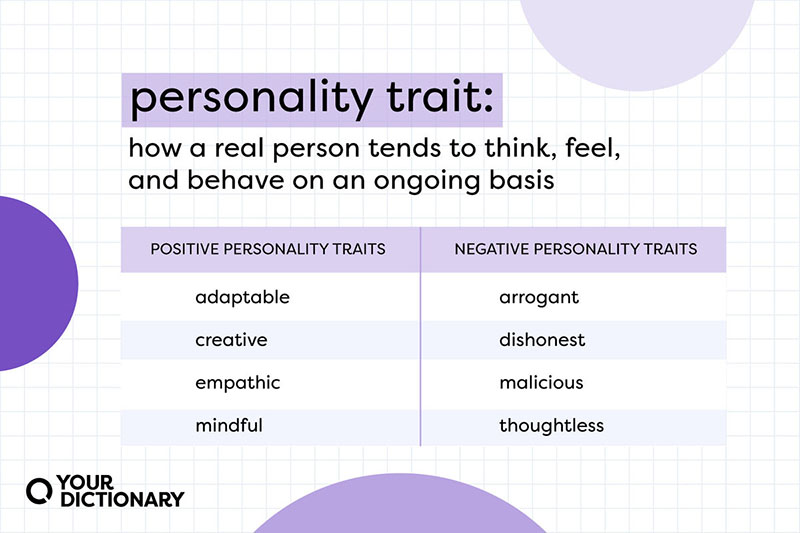
Personality-related vocabulary is commonly used to describe how someone behaves or reacts in different situations.
Examples:
- Optimistic – expecting good things to happen
She remains optimistic even during difficult times. - Cautious – careful to avoid risks
He is cautious when making important decisions. - Open-minded – willing to consider new ideas
Being open-minded helps you learn from different cultures.
These words are helpful when describing people in both formal writing and daily conversation.
2. Beliefs and Worldviews
Belief-related vocabulary refers to ideas that shape how people understand life, society, and themselves. These words are often used in discussions about culture, traditions, and personal values.
Examples:
- Belief system – a set of principles or ideas accepted as true
Every culture has its own belief system. - Worldview – the way someone sees and understands the world
Education can strongly influence a person’s worldview. - Tradition – customs passed down through generations
Festivals are an important part of local tradition.
Learning these words helps English learners understand texts related to culture and social topics.
3. Words Related to Self-Reflection
Self-reflection vocabulary is frequently used in personal development, psychology, and lifestyle content.
Examples:
- Self-awareness – understanding your own thoughts and feelings
Self-awareness is essential for personal growth. - Introspection – examining your own thoughts
Introspection helps people understand their motivations. - Perspective – a particular way of thinking about something
Travel can change your perspective on life.
These terms appear often in essays, blogs, and motivational content.
4. Cultural References in English
English includes many words that describe cultural concepts without directly supporting or promoting them. These words are used for explanation, comparison, and understanding.
Examples:
- Cultural belief – an idea shared by a group of people
Cultural beliefs influence daily habits. - Symbolism – the use of symbols to represent ideas
Colors often carry symbolism in different cultures. - Interpretation – the way something is understood
Different cultures have different interpretations of symbols.
Such vocabulary is useful for learners reading international or cross-cultural content.
5. Neutral Language and Balanced Usage
When discussing beliefs or personality in English, neutral language is often preferred, especially in educational or informational contexts. This means avoiding strong claims and focusing on explanation rather than judgment.
For example:
- Instead of saying “This belief is correct,” writers often say
“This belief is commonly held in certain cultures.” - Instead of “This determines your future,” they say
“This is used as a reference or perspective.”
This neutral tone is widely used in academic writing and reputable websites.
6. Online Resources for Learning Cultural Vocabulary
With the growth of online education, many learners use digital tools to explore vocabulary related to personality and cultural concepts. Websites that provide structured explanations help users understand how words are used in real contexts.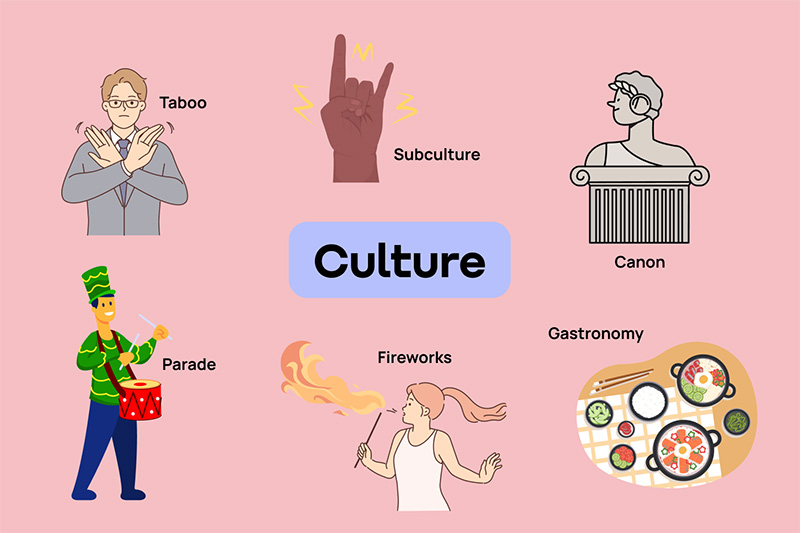
Some learners also explore cultural background information alongside language study. For reference purposes, platforms such as tử vi 365 are sometimes used to better understand cultural concepts that appear in texts, helping learners grasp context rather than predictions or conclusions. To learn English effectively, your mindset matters a lot—so why not check xem tử vi to see what your mood might be like today?
7. Why This Vocabulary Matters
Understanding personality and belief-related vocabulary allows English learners to:
- Read articles and essays more confidently
- Express opinions in a thoughtful and balanced way
- Communicate across cultures with greater clarity
This type of vocabulary is especially useful for students, writers, and professionals working in international environments.
Conclusion
English vocabulary related to personality and cultural beliefs plays an important role in comprehension and communication. By learning these words and understanding their neutral usage, learners can better engage with a wide range of English content. Whether reading articles, watching films, or participating in discussions, this vocabulary helps build deeper understanding and stronger language skills.
Last Updated on 07/03/2026 by Emma Collins