

अंग्रेजी सीखने की यात्रा में, Tenses (काल) सबसे महत्वपूर्ण आधारशिला होते हैं। विशेष रूप से, भूतकाल (Past Tense) की घटनाओं को व्यक्त करने के लिए Past Continuous Tense का सही उपयोग आना आवश्यक है। यह लेख आपको past continuous tense examples in hindi to english के गहन ज्ञान के साथ-साथ इसके विस्तृत नियम, पहचान और व्यवहारिक उदाहरण प्रदान करेगा। हम समझते हैं कि भारतीय शिक्षार्थियों के लिए दैनिक वार्तालाप में इसे लागू करना चुनौतीपूर्ण हो सकता है, लेकिन सरल नियमों और पर्याप्त अभ्यास के माध्यम से आप इस सहायक क्रिया (Helping Verb) आधारित संरचना में महारत हासिल कर सकते हैं।
पास्ट कंटीन्यूअस टेंस की व्यापक परिभाषा और पहचान
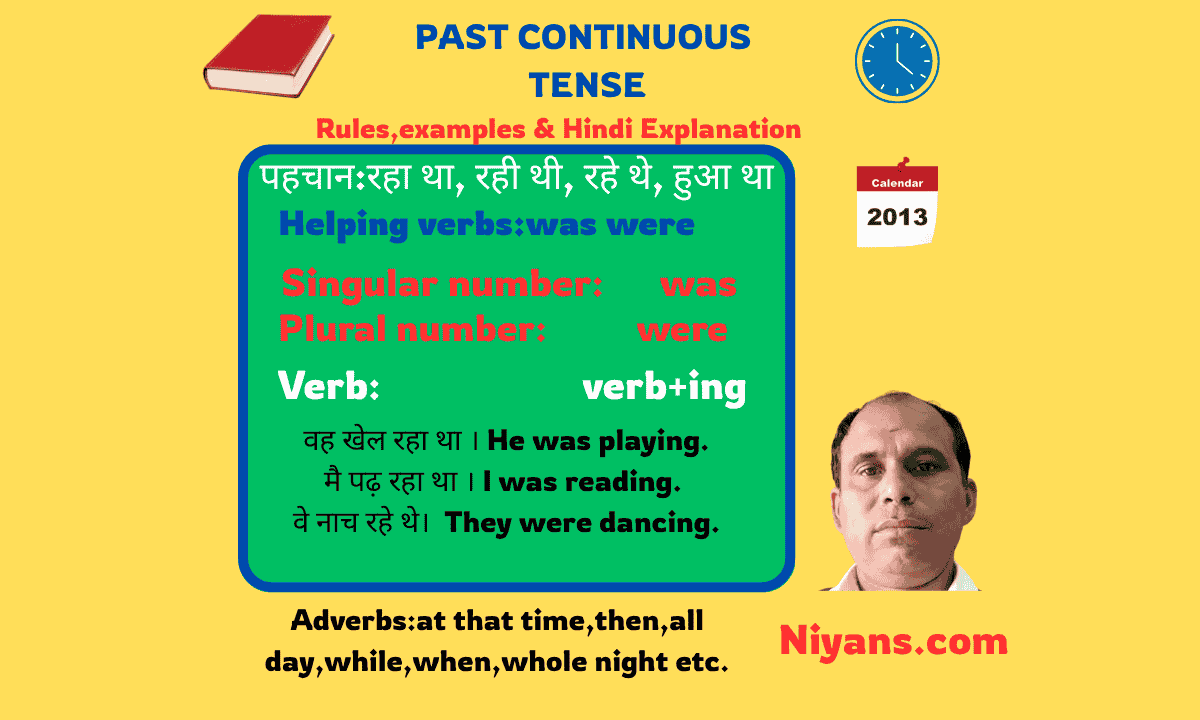
Past Continuous Tense (अपूर्ण भूतकाल) उन क्रियाओं का वर्णन करता है जो भूतकाल में किसी विशेष समय पर शुरू हुईं और उस समय जारी थीं। यह दर्शाता है कि अतीत में कोई कार्य लगातार हो रहा था। इस टेंस की सबसे बड़ी पहचान हिंदी वाक्य के अंत में आने वाले शब्द हैं, जैसे: ‘रहा था’, ‘रही थी’, ‘रहे थे’। यह हमें बताता है कि अतीत की निरंतरता क्या थी।
पास्ट कंटीन्यूअस टेंस का प्रयोग कब करें?
इस टेंस का उपयोग मुख्य रूप से तीन स्थितियों में किया जाता है। पहली स्थिति वह क्रिया दर्शाना है जो अतीत में किसी निश्चित समय पर जारी थी। दूसरी स्थिति, दो क्रियाओं को एक साथ दर्शाना है जो भूतकाल में समानांतर रूप से चल रही थीं। तीसरी स्थिति, ऐसी क्रियाओं को दर्शाना है जो किसी अन्य छोटी क्रिया से बाधित हो गईं।
Was और Were का सही उपयोग
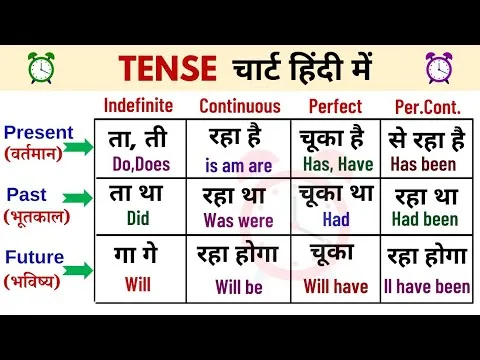
Past Continuous Tense में मुख्य सहायक क्रियाएं (Helping Verbs) ‘was’ और ‘were’ होती हैं। ‘Was’ का प्रयोग Singular Subjects (एकवचन कर्ता) जैसे I, He, She, It, और किसी भी नाम के साथ होता है। ‘Were’ का प्रयोग Plural Subjects (बहुवचन कर्ता) जैसे We, You, They, और दो या दो से अधिक नामों के साथ होता है। क्रिया (Verb) के साथ हमेशा ing (क्रिया का चौथा रूप – V4) जोड़ा जाता है।
साधारण संरचना: नियम और अभ्यास
Past Continuous Tense के वाक्यों को समझने के लिए, उनकी संरचना (Structure) को समझना आवश्यक है। संरचना के आधार पर वाक्य मुख्य रूप से चार प्रकार के होते हैं: सकारात्मक (Affirmative), नकारात्मक (Negative), प्रश्नवाचक (Interrogative), और प्रश्नवाचक नकारात्मक (Interrogative Negative)।
1. सकारात्मक वाक्यों की संरचना (Affirmative Sentences)
सकारात्मक वाक्य सबसे बुनियादी प्रकार के होते हैं, जो सीधे तौर पर बताते हैं कि अतीत में कोई कार्य हो रहा था।
संरचना: Subject + Was/Were + V1 (ing) + Object
यह संरचना बताती है कि कर्ता (Subject) कौन है और वह क्या क्रिया (Verb) कर रहा था। हमेशा सुनिश्चित करें कि सहायक क्रिया (was/were) कर्ता के अनुसार हो।
सकारात्मक वाक्यों के विस्तृत past continuous tense examples in hindi to english
यहाँ 25 सकारात्मक वाक्यों के उदाहरण दिए गए हैं जो इस संरचना को दर्शाते हैं:
- बच्चे पार्क में ऊधम मचा रहे थे।
The children were making a noise in the park.
(बहुवचन कर्ता ‘children’ के साथ ‘were’ का उपयोग किया गया है।) - मैं कल रात 10 बजे टेलीविजन देख रहा था।
I was watching television at 10 PM last night. - हमारी दादी कहानी सुना रही थीं।
Our grandmother was narrating a story. - वे सभी जोर से हँस रहे थे।
They all were laughing loudly. - सूरज धीरे-धीरे डूब रहा था।
The sun was setting slowly. - वह अपनी किताब ध्यान से पढ़ रही थी।
She was reading her book carefully. - किसान खेत में बीज बो रहा था।
The farmer was sowing seeds in the field. - हम महत्वपूर्ण दस्तावेजों पर हस्ताक्षर कर रहे थे।
We were signing important documents. - बारिश बाहर तेज़ हो रही थी।
The rain was falling heavily outside. - मेरा छोटा भाई रो रहा था क्योंकि वह गिर गया था।
My little brother was crying because he had fallen. - मैं अपने नए जूते पहन रहा था।
I was wearing my new shoes. - तुम सड़क पर बहुत तेज़ी से दौड़ रहे थे।
You were running very fast on the road. - माली पौधों को खाद दे रहा था।
The gardener was fertilizing the plants. - मजदूर पुल का निर्माण कर रहे थे।
The laborers were constructing the bridge. - अध्यापक कक्षा में व्याख्यान दे रहे थे।
The teacher was delivering a lecture in the class. - बिजली का मिस्त्री तार जोड़ रहा था।
The electrician was connecting the wires. - मेरी बहन मेरे लिए चाय बना रही थी।
My sister was preparing tea for me. - हम सब नदी के किनारे पिकनिक मना रहे थे।
We all were having a picnic by the river. - मोहित कल सुबह काम पर जा रहा था।
Mohit was going to work yesterday morning. - पुलिसकर्मी चोर का पीछा कर रहा था।
The policeman was chasing the thief. - दर्शक कलाकार की सराहना कर रहे थे।
The audience was appreciating the artist. - वह मेरी बातों को बहुत ध्यान से सुन रहा था।
He was listening to my words very carefully. - मैं परीक्षा की तैयारी के लिए देर रात तक पढ़ रहा था।
I was studying late night for exam preparation. - हवाई जहाज आसमान में उड़ान भर रहा था।
The airplane was flying in the sky. - वे सुबह से ही घर की सफाई कर रहे थे।
They were cleaning the house since morning.
2. नकारात्मक वाक्यों की संरचना (Negative Sentences)
नकारात्मक वाक्य वह बताते हैं कि भूतकाल में कोई क्रिया जारी नहीं थी। इस संरचना में, सहायक क्रिया (was/were) के तुरंत बाद ‘not’ का उपयोग किया जाता है।
संरचना: Subject + Was/Were + Not + V1 (ing) + Object
यह ध्यान रखना महत्वपूर्ण है कि ‘not’ हमेशा मुख्य क्रिया (main verb) और सहायक क्रिया के बीच में आता है। यह नियम अंग्रेजी व्याकरण में एकरूपता बनाए रखता है।
नकारात्मक वाक्यों के past continuous tense examples in hindi to english
नकारात्मक वाक्यों का प्रयोग अस्वीकृति या निषेध व्यक्त करने के लिए होता है। यहाँ 25 उदाहरण दिए गए हैं:
- उस समय मैं बिल्कुल भी काम नहीं कर रहा था।
I was not working at all at that time. - तुम कल बाजार नहीं जा रहे थे।
You were not going to the market yesterday. - वे हमें कोई नई जानकारी नहीं दे रहे थे।
They were not giving us any new information. - वह अपनी गलती स्वीकार नहीं कर रही थी।
She was not accepting her mistake. - हम उस मुश्किल स्थिति का सामना नहीं कर रहे थे।
We were not facing that difficult situation. - बच्चे खेल के मैदान में नहीं खेल रहे थे।
The children were not playing on the playground. - सूर्य बादलों के पीछे नहीं छिप रहा था।
The sun was not hiding behind the clouds. - गाड़ी बहुत धीमी गति से नहीं चल रही थी।
The car was not moving very slowly. - धोबी कपड़े नहीं धो रहा था, वह आराम कर रहा था।
The washerman was not washing clothes, he was resting. - मैं गर्म चाय नहीं पी रहा था।
I was not drinking hot tea. - विद्यार्थी कक्षा में शोर नहीं मचा रहे थे।
The students were not making noise in the class. - वह मुझसे झूठ नहीं बोल रहा था।
He was not lying to me. - हम उनके कार्यक्रम में भाग नहीं ले रहे थे।
We were not participating in their program. - रसोईया रात का खाना नहीं पका रहा था।
The cook was not preparing dinner. - मैं अपने भाई के साथ बहस नहीं कर रहा था।
I was not arguing with my brother. - वे अपना समय बर्बाद नहीं कर रहे थे।
They were not wasting their time. - चपरासी घंटी नहीं बजा रहा था।
The peon was not ringing the bell. - डॉक्टर मरीज की जांच नहीं कर रहा था।
The doctor was not examining the patient. - मेरी माँ मुझे देर रात तक जागने नहीं दे रही थी।
My mother was not allowing me to stay up late. - तुम मेरी सलाह नहीं सुन रहे थे।
You were not listening to my advice. - हम सर्दियों के कपड़े नहीं पहन रहे थे।
We were not wearing winter clothes. - संगीतकार मंच पर प्रदर्शन नहीं कर रहे थे।
The musicians were not performing on the stage. - वह मुझे फ़ोन करने की कोशिश नहीं कर रहा था।
He was not trying to call me. - मेरी घड़ी सही समय नहीं बता रही थी।
My watch was not showing the correct time. - वे किसी अन्य जगह की ओर नहीं देख रहे थे।
They were not looking towards another place.
3. प्रश्नवाचक वाक्यों की संरचना (Interrogative Sentences)
प्रश्नवाचक वाक्य दो मुख्य प्रकार के होते हैं: सिंगल इंटरोगेटिव (Yes/No उत्तर वाले) और डबल इंटरोगेटिव (WH-Family उत्तर वाले)।
3.1. सिंगल इंटरोगेटिव (Single Interrogative Sentences)
ये वह प्रश्न होते हैं जिनका उत्तर हाँ या ना में दिया जा सकता है। हिंदी में ये वाक्य ‘क्या’ से शुरू होते हैं, और अंग्रेजी में सहायक क्रिया (Was/Were) वाक्य की शुरुआत में आ जाती है।
संरचना: Was/Were + Subject + V1 (ing) + Object + ?
सिंगल इंटरोगेटिव के past continuous tense examples in hindi to english
इन वाक्यों में कर्ता से पहले सहायक क्रिया का आना अनिवार्य है।
- क्या तुम कल रात 8 बजे पढ़ रहे थे?
Were you studying at 8 PM last night? - क्या वह अपनी पुरानी साइकिल बेच रहा था?
Was he selling his old bicycle? - क्या बच्चे बाहर बर्फबारी देख रहे थे?
Were the children watching the snowfall outside? - क्या मैं अपना काम समय पर पूरा कर रहा था?
Was I completing my work on time? - क्या अध्यापक बच्चों को कोई नया विषय पढ़ा रहा था?
Was the teacher teaching the children a new subject? - क्या वे एक महत्वपूर्ण निर्णय पर चर्चा कर रहे थे?
Were they discussing an important decision? - क्या धोबी नदी के किनारे कपड़े धो रहा था?
Was the washerman washing clothes by the river? - क्या तुम जुराब पहन रहे थे?
Were you wearing socks? - क्या सीता अपना होमवर्क पूरा कर रही थी?
Was Sita finishing her homework? - क्या वे तेजी से दौड़ रहे थे?
Were they running fast? - क्या मैं तुम्हें कॉल करने की कोशिश कर रहा था?
Was I trying to call you? - क्या वह मेरे सवालों का जवाब दे रही थी?
Was she answering my questions? - क्या हम फुटबॉल मैच देख रहे थे?
Were we watching the football match? - क्या ट्रेन स्टेशन पर आ रही थी?
Was the train arriving at the station? - क्या वे हमारी ओर देख रहे थे?
Were they looking towards us?
3.2. डबल इंटरोगेटिव (Double Interrogative Sentences)
डबल इंटरोगेटिव वाक्य में प्रश्न पूछने वाले शब्द (WH-Family words जैसे: Why, What, Where, When, How) वाक्य के बीच में आते हैं। अंग्रेजी में, ये शब्द सहायक क्रिया से पहले आते हैं।
संरचना: WH-Word + Was/Were + Subject + V1 (ing) + Object + ?
डबल इंटरोगेटिव के past continuous tense examples in hindi to english
ये वाक्य गहराई से जानकारी प्राप्त करने के लिए उपयोग किए जाते हैं, जिनका उत्तर हाँ या ना में नहीं दिया जा सकता।
- तुम कल सुबह क्या खा रहे थे?
What were you eating yesterday morning? - वह इतनी तेज़ी से क्यों चिल्ला रहा था?
Why was he shouting so loudly? - वे उस रहस्यमय जगह पर कहाँ जा रहे थे?
Where were they going to that mysterious place? - मोहित रामलीला क्यों देख रहा था?
Why was Mohit watching Ramleela? - राधा कुत्तों को कैसे मार रही थी?
How was Radha beating the dogs? - जब मैंने फ़ोन किया तो तुम किससे बात कर रहे थे?
Who were you talking to when I called? - शिक्षक कक्षा में क्या समझा रहे थे?
What was the teacher explaining in the class? - तुम अपनी किताबें कहाँ रख रहे थे?
Where were you keeping your books? - वे उस समस्या का समाधान कैसे ढूँढ़ रहे थे?
How were they finding the solution to that problem? - तुम इतने परेशान क्यों लग रहे थे?
Why were you looking so troubled? - मोहन क्यों दौड़ रहा था?
Why was Mohan running? - राम कंप्यूटर क्यों चला रहा था?
Why was Ram operating a computer? - वह रात के खाने में क्या पका रही थी?
What was she cooking for dinner? - बच्चे खिलौनों से कैसे खेल रहे थे?
How were the children playing with the toys? - वे इतनी देर तक किसका इंतज़ार कर रहे थे?
Whose were they waiting for so long?
4. प्रश्नवाचक नकारात्मक वाक्यों की संरचना (Interrogative Negative Sentences)
यह वाक्य प्रश्न भी पूछते हैं और साथ ही नकारात्मकता भी दर्शाते हैं। ये वाक्य आमतौर पर आश्चर्य या संदेह व्यक्त करते हैं।
4.1. सिंगल इंटरोगेटिव नेगेटिव
संरचना: Was/Were + Subject + Not + V1 (ing) + Object + ?
ध्यान दें: यदि Subject एक Pronoun है, तो ‘not’ हमेशा Subject के बाद आता है।
सिंगल इंटरोगेटिव नेगेटिव के past continuous tense examples in hindi to english
इन वाक्यों का अभ्यास जटिल वाक्यों को समझने में मदद करता है।
- क्या वह तुम्हें पार्टी में आमंत्रित नहीं कर रहा था?
Was he not inviting you to the party? - क्या तुम मेरी बातों पर ध्यान नहीं दे रहे थे?
Were you not paying attention to my words? - क्या विद्यार्थी अपने नोट्स नहीं लिख रहे थे?
Were the students not writing their notes? - क्या मछलियाँ पानी में नहीं तैर पा रही थीं?
Were the fish not swimming in the water? - क्या माताजी रसोई में खाना नहीं बना रही थीं?
Was Mother not cooking in the kitchen? - क्या तुम कल मुझसे मिलने नहीं आ रहे थे?
Were you not coming to meet me yesterday? - क्या धोबी कपड़े नहीं धो रहा था?
Was the washerman not washing clothes? - क्या वे अब भी विरोध प्रदर्शन नहीं कर रहे थे?
Were they still not protesting? - क्या मैं अपना काम पूरी ईमानदारी से नहीं कर रहा था?
Was I not doing my work with full honesty? - क्या वे हमारी मदद करने की कोशिश नहीं कर रहे थे?
Were they not trying to help us?
4.2. डबल इंटरोगेटिव नेगेटिव
संरचना: WH-Word + Was/Were + Subject + Not + V1 (ing) + Object + ?
डबल इंटरोगेटिव नेगेटिव के past continuous tense examples in hindi to english
ये वाक्य पूछते हैं कि कोई क्रिया क्यों नहीं हो रही थी।
- वह मेरी सलाह क्यों नहीं सुन रहा था?
Why was he not listening to my advice? - तुम कल कक्षा में उपस्थित क्यों नहीं हो रहे थे?
Why were you not attending the class yesterday? - बच्चे शांत तरीके से क्यों नहीं बैठ रहे थे?
Why were the children not sitting quietly? - वे अपना नया पता हमें क्यों नहीं बता रहे थे?
Why were they not telling us their new address? - संदीप तुम्हारा इंतज़ार क्यों नहीं कर रहा था?
Why was Sandeep not waiting for you? - कुत्ते जोर जोर से क्यों नहीं भौंक रहे थे?
Why were the dogs not barking loudly? - तुम सुबह से अखबार क्यों नहीं पढ़ रहे थे?
Why were you not reading the newspaper since morning? - वह अपने काम पर ध्यान क्यों नहीं दे रहा था?
Why was he not focusing on his work? - पिताजी मुझे खेलने क्यों नहीं जाने दे रहे थे?
Why was father not letting me go to play? - हम इस योजना पर चर्चा क्यों नहीं कर रहे थे?
Why were we not discussing this plan?
Past Continuous Tense के विशेष उपयोग और जटिल उदाहरण
केवल साधारण वाक्य बनाना पर्याप्त नहीं है। एक विशेषज्ञ की तरह अंग्रेजी बोलने के लिए, आपको इस टेंस के विशेष उपयोगों को समझना होगा।
1. भूतकाल में समानांतर क्रियाएँ (Simultaneous Actions)
जब अतीत में दो क्रियाएँ एक ही समय पर जारी थीं, तो दोनों को Past Continuous Tense में जोड़ने के लिए ‘While’ या ‘And’ का उपयोग किया जाता है।
उदाहरण:
- जब मैं खाना खा रहा था, मेरी बहन टीवी देख रही थी।
While I was eating dinner, my sister was watching TV. - वे गिटार बजा रहे थे और हम नाच रहे थे।
They were playing the guitar and we were dancing. - मेरा दोस्त पढ़ रहा था जबकि मैं लिख रहा था।
My friend was studying while I was writing.
2. बाधित क्रियाएँ (Interrupted Actions)
यह सबसे आम उपयोगों में से एक है, जहाँ भूतकाल में एक लंबी क्रिया जारी थी और एक छोटी, अचानक हुई क्रिया (जो Simple Past Tense में होती है) ने उसे बाधित कर दिया।
संरचना: Past Continuous (Long Action) + When + Simple Past (Short Action)
उदाहरण:
- जब मैंने उसे बुलाया, वह सड़क पार कर रही थी।
She was crossing the road when I called her. - हम सो रहे थे जब अचानक बिजली चली गई।
We were sleeping when the electricity suddenly went out. - जब मैं दरवाज़ा खोल रहा था, तो फ़ोन बजा।
The phone rang when I was opening the door.
3. बार-बार होने वाली या परेशान करने वाली क्रियाएँ (Repeated Annoyance)
Past Continuous Tense का उपयोग उन कार्यों के लिए भी किया जाता है जो अतीत में बार-बार होते थे और वक्ता (Speaker) को परेशान करते थे। इसके लिए अक्सर ‘always’, ‘constantly’ या ‘continually’ जैसे Adverbs का उपयोग होता है।
उदाहरण:
- वह हमेशा अपनी चाबियाँ खो रहा था। (यह एक कष्टदायक आदत थी)
He was always losing his keys. - वह लगातार कक्षा में बोल रही थी।
She was continually talking in the class.
25 विविध Past Continuous Tense Examples In Hindi To English (अभ्यास)
दैनिक जीवन और विभिन्न जटिलताओं को दर्शाने वाले मिश्रित वाक्यों का अभ्यास करना बहुत महत्वपूर्ण है। ये उदाहरण आपकी संरचना और उपयोग की समझ को मजबूत करेंगे।
- बन्दर बार बार पेड पर कूद रहा था।
The monkey was repeatedly jumping on the tree. - वह कहाँ सामान खरीदने जा रही थी?
Where was she going to buy the goods? - जब चोर भागा, तो पुलिस उसका पीछा कर रही थी।
The police were chasing the thief when he ran away. - माताजी रसोई में क्या बना रही थी?
What was Mother cooking in the kitchen? - दूधवाला दूध बेच रहा था।
The milkman was selling milk. - अरविन्द के बच्चे स्कूल नहीं जा रहे थे।
Arvind’s children were not going to school. - वह अपनी गलती क्यों छुपा रही थी?
Why was she hiding her mistake? - हम छत पर पतंग उड़ा रहे थे।
We were flying kites on the roof. - वे दोनों शाम को संगीत सुन रहे थे।
They both were listening to music in the evening. - जब मैंने दरवाजा खटखटाया, तो वह गहरी नींद में सो रही थी।
She was sleeping soundly when I knocked on the door. - राजा पतंग नहीं उडा रहा था।
Raja was not flying the kite. - क्या तुम कल जिम में कसरत नहीं कर रहे थे?
Were you not exercising in the gym yesterday? - मैं अपने दोस्त को एक गुप्त कोड लिख रहा था।
I was writing a secret code to my friend. - तूफान तेज़ी से आगे बढ़ रहा था।
The storm was moving forward quickly. - छोटू घूम कैसे रहा था?
How was Chotu walking? - जब मैं पहुँचा, तो लोग चिल्ला रहे थे।
People were shouting when I arrived. - क्या मास्टरजी कक्षा में नहीं पढा रहे थे?
Wasn’t Masterji teaching in class? - मेरी कार कल खराब हो गई थी इसलिए मैं बस से जा रहा था।
My car broke down yesterday so I was going by bus. - क्या वे अपने दादाजी से मिलने जा रहे थे?
Were they going to visit their grandfather? - वह हमेशा देर से क्यों आ रही थी?
Why was she always coming late? - लड़कियां पार्क में फूल तोड़ रही थीं।
The girls were plucking flowers in the park. - हम सब मिलकर एक नया प्रोजेक्ट शुरू कर रहे थे।
We all were starting a new project together. - मैं उस वक्त अपना वॉलेट नहीं ढूँढ़ पा रहा था।
I was not able to find my wallet at that moment. - जब बारिश हुई, हम क्रिकेट खेल रहे थे।
We were playing cricket when it rained. - तुम मुझे मेरी कहानी क्यों नहीं बता रहे थे?
Why were you not telling me my story?
निष्कर्ष
Past Continuous Tense, अंग्रेजी व्याकरण का एक अनिवार्य भाग है जो भूतकाल में जारी क्रियाओं को स्पष्ट रूप से व्यक्त करने में मदद करता है। इस लेख में दी गई संरचना, सहायक क्रियाओं (was/were) का सटीक उपयोग, और क्रिया के चौथे रूप (V4) के नियमों को समझकर आप हिंदी से अंग्रेजी अनुवाद में त्रुटियों से बच सकते हैं। पर्याप्त संख्या में past continuous tense examples in hindi to english का अभ्यास करके आप अपनी अंग्रेजी भाषा की पकड़ को और मजबूत कर सकते हैं, जिससे आपकी दैनिक बातचीत सहज और सटीक हो जाएगी।
Last Updated on 10/11/2025 by Emma Collins

Hello there! I’m Emma Collins, your English instructor at Skilled English. Learning a new language doesn’t have to be stressful or confusing — and I’m here to prove it. With over 6 years of experience teaching English to beginners, my goal is to help you feel confident in speaking, writing, and understanding English step by step. Read more


