
नमस्ते पाठकों! अंग्रेजी व्याकरण में Tenses का ज्ञान अत्यंत महत्वपूर्ण है, और इनमें से past continuous tense sentences in hindi का अध्ययन विशेष रूप से ज़रूरी है। यह काल हमें यह समझने में मदद करता है कि भूतकाल में कोई कार्य किसी विशेष समय पर जारी था। यह केवल नियमों को याद रखने के बारे में नहीं है, बल्कि यह समझने के बारे में है कि कैसे हम भूतकाल की क्रियाएँ और अपूर्ण कार्यों को सटीकता से व्यक्त कर सकते हैं। इस लेख में, हम सहायक क्रिया (Auxiliary Verb) के सही उपयोग और जटिल वाक्य संरचना (Sentence Structure) के माध्यम से, इस काल के व्यावहारिक अनुप्रयोगों पर विस्तार से चर्चा करेंगे, ताकि आप इसे अपने दैनिक वार्तालाप (Daily Conversation) में प्रभावी ढंग से उपयोग कर सकें।
Past Continuous Tense क्या है और इसका महत्व
Past Continuous Tense, जिसे हिंदी में ‘अपूर्ण भूतकाल’ कहा जाता है, उन कार्यों को व्यक्त करता है जो अतीत में किसी निश्चित समय पर शुरू हुए थे और उस समय भी जारी थे। ये क्रियाएं पूरी नहीं हुई थीं, बल्कि प्रगति में थीं। यह काल हमें भूतकाल की घटनाओं का एक स्पष्ट और गतिशील चित्र प्रदान करता है, जिसे हम अपनी भाषा में शामिल कर सकते हैं।
इसका उपयोग अक्सर कहानियों, संस्मरणों, और दैनिक अनुभवों को साझा करने में किया जाता है। जब हम किसी बीते हुए पल का माहौल या पृष्ठभूमि (background action) बताते हैं, तो यह काल अत्यंत आवश्यक हो जाता है। यह अंग्रेजी सीखने वालों के लिए एक बुनियादी लेकिन शक्तिशाली व्याकरणिक उपकरण माना जाता है।
Past Continuous Tense की पहचान और मूलभूत नियम
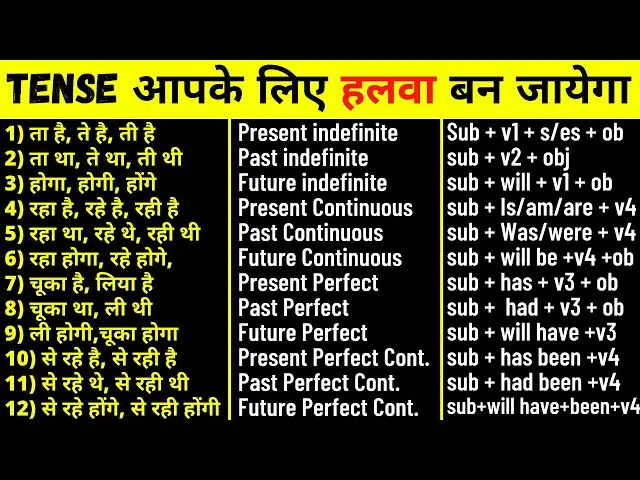
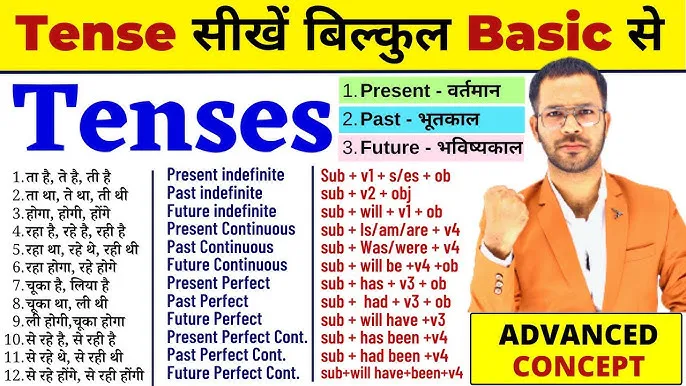
किसी हिंदी वाक्य में Past Continuous Tense की पहचान करना बहुत सरल है। यदि वाक्य के अंत में ‘रहा था’, ‘रही थी’, ‘रहे थे’ जैसे शब्द आते हैं, तो यह अपूर्ण भूतकाल का वाक्य होता है। यह पहचान हमें बताती है कि क्रिया अतीत में प्रगति पर थी।
इस काल में मुख्य क्रिया (Main Verb) की First Form के साथ हमेशा -ing जोड़ा जाता है। इसे Present Participle फॉर्म भी कहते हैं। इसके अलावा, कर्ता (Subject) के अनुसार सहायक क्रिया (Helping Verb) was या were का उपयोग होता है।
सहायक क्रिया Was और Were का उपयोग
सहायक क्रिया का सही चुनाव कर्ता के वचन (Singular या Plural) पर निर्भर करता है। यह सबसे महत्वपूर्ण नियमों में से एक है जिसे याद रखना चाहिए ताकि वाक्य संरचना सही रहे।
Was का प्रयोग हमेशा एकवचन कर्ता (Singular Subjects) के साथ होता है, जिसमें I, He, She, It, और कोई भी नाम (जैसे – राम, सीता, मेरा भाई) शामिल हैं।
Were का प्रयोग बहुवचन कर्ता (Plural Subjects) के साथ किया जाता है, जिसमें We, You, They, और दो या दो से अधिक नाम शामिल हैं। यह भेद वाक्य की व्याकरणिक शुद्धता सुनिश्चित करता है।
Past Continuous Tense की विस्तृत वाक्य संरचना (Sentence Structure)
किसी भी Tense में महारत हासिल करने के लिए उसकी वाक्य संरचना (Structure) को समझना ज़रूरी है। Past Continuous Tense में चार मुख्य प्रकार के वाक्य होते हैं: Affirmative, Negative, Interrogative, और Interrogative-Negative.
1. सकारात्मक वाक्य (Affirmative Sentences)
ये सरल वाक्य होते हैं जो किसी क्रिया के जारी रहने की पुष्टि करते हैं। इस संरचना में कर्ता सबसे पहले आता है, जिसके बाद सहायक क्रिया और फिर मुख्य क्रिया (-ing के साथ) आती है।
संरचना: Subject + was/were + Verb (V1 + ing) + Object.
She was dancing on the stage.
वह मंच पर नाच रही थी।
We were waiting for the bus near the junction.
हम जंक्शन के पास बस का इंतजार कर रहे थे।
The children were making a lot of noise during the interval.
बच्चे अंतराल के दौरान बहुत शोर मचा रहे थे।
The dog was chasing the cat across the field.
कुत्ता मैदान के उस पार बिल्ली का पीछा कर रहा था।
I was eating dinner at 7 PM yesterday evening.
कल शाम 7 बजे मैं रात का खाना खा रहा था।
2. नकारात्मक वाक्य (Negative Sentences)
नकारात्मक वाक्य बताते हैं कि कोई क्रिया अतीत में जारी नहीं थी। इस प्रकार के वाक्यों में सहायक क्रिया (was या were) के ठीक बाद not जोड़ा जाता है।
संरचना: Subject + was/were + not + Verb (V1 + ing) + Object.
He was not watching television at the time of the fire.
आग लगने के समय वह टेलीविजन नहीं देख रहा था।
They were not helping the poor people during the floods.
वे बाढ़ के दौरान गरीब लोगों की मदद नहीं कर रहे थे।
The machine was not working properly because of a technical glitch.
तकनीकी खराबी के कारण मशीन ठीक से काम नहीं कर रही थी।
You were not listening to the instructor’s important advice.
आप प्रशिक्षक की महत्वपूर्ण सलाह नहीं सुन रहे थे।
I was not reading the newspaper this morning at the café.
मैं आज सुबह कैफे में अखबार नहीं पढ़ रहा था।
3. प्रश्नवाचक वाक्य (Interrogative Sentences)
प्रश्नवाचक वाक्य दो प्रकार के होते हैं: Yes/No वाले प्रश्न (जो सहायक क्रिया से शुरू होते हैं) और Wh-word वाले प्रश्न (जो विशिष्ट जानकारी मांगते हैं)।
A. Yes/No प्रश्न (सहायक क्रिया से शुरू होने वाले)
ये प्रश्न ऐसे होते हैं जिनका उत्तर केवल ‘हाँ’ या ‘नहीं’ में दिया जा सकता है। इसमें सहायक क्रिया (Was/Were) को कर्ता से पहले रखा जाता है।
संरचना: Was/Were + Subject + Verb (V1 + ing) + Object?
Was she singing a song during the school function?
क्या वह स्कूल समारोह के दौरान गाना गा रही थी?
Were they playing cricket in the park yesterday afternoon?
क्या वे कल दोपहर पार्क में क्रिकेट खेल रहे थे?
Was it raining heavily outside when you left the office?
जब आप ऑफिस से निकले थे, क्या बाहर तेज बारिश हो रही थी?
Were the students studying diligently for the final examination?
क्या छात्र अंतिम परीक्षा के लिए लगन से पढ़ाई कर रहे थे?
B. Wh-Word प्रश्न (सूचना मांगने वाले)
ये प्रश्न विशेष जानकारी मांगते हैं और Wh-word (जैसे Who, What, Where, When, Why, How) से शुरू होते हैं। Wh-word सहायक क्रिया से भी पहले आता है।
संरचना: Wh-Word + was/were + Subject + Verb (V1 + ing) + Object?
What were you doing at that time last Sunday?
तुम पिछले रविवार उस समय क्या कर रहे थे?
Why was the child crying loudly in the middle of the night?
बच्चा आधी रात में ज़ोर से क्यों रो रहा था?
Where was he going last night without informing anyone?
वह कल रात किसी को बताए बिना कहाँ जा रहा था?
Who was teaching them English grammar in this specific class?
इस खास कक्षा में उन्हें अंग्रेजी व्याकरण कौन पढ़ा रहा था?
4. प्रश्नवाचक-नकारात्मक वाक्य (Interrogative-Negative Sentences)
इन वाक्यों में प्रश्न पूछने के साथ-साथ क्रिया के न होने का भाव भी होता है। Not का प्रयोग हमेशा कर्ता के बाद किया जाता है, या सहायक क्रिया के साथ संक्षिप्त रूप (Wasn’t/Weren’t) का उपयोग किया जाता है।
संरचना: Was/Were + Subject + not + Verb (V1 + ing) + Object?
Weren’t they preparing for the exam despite the teacher’s warnings?
क्या वे शिक्षक की चेतावनियों के बावजूद परीक्षा की तैयारी नहीं कर रहे थे?
Wasn’t he attending the conference because of his illness?
क्या वह अपनी बीमारी के कारण सम्मेलन में भाग नहीं ले रहा था?
Why was she not answering the phone when I called repeatedly?
जब मैंने बार-बार फोन किया तो वह फोन का जवाब क्यों नहीं दे रही थी?
Past Continuous Tense के उपयोग के विशिष्ट मामले (Specific Uses)
केवल नियम याद रखना पर्याप्त नहीं है; यह समझना भी ज़रूरी है कि इस काल का उपयोग कब और कैसे किया जाता है। अपूर्ण भूतकाल का उपयोग कई जटिल स्थितियों में किया जाता है जो दैनिक वार्तालाप को अधिक गतिशील बनाते हैं।
1. भूतकाल में जारी एक क्रिया को दर्शाना (Action in Progress)
यह सबसे सामान्य उपयोग है—किसी क्रिया को दर्शाना जो भूतकाल में किसी विशेष बिंदु पर जारी थी। समय का सटीक उल्लेख अक्सर ‘at 5 PM’ या ‘all morning’ जैसे समय सूचक क्रिया-विशेषणों के साथ किया जाता है।
At 8 o’clock yesterday, I was having breakfast with my family.
कल 8 बजे, मैं अपने परिवार के साथ नाश्ता कर रहा था।
They were cleaning the house the whole afternoon before the guests arrived.
मेहमानों के आने से पहले वे पूरी दोपहर घर की सफाई कर रहे थे।
2. भूतकाल की दो समानांतर क्रियाएँ (Two Parallel Actions)
जब भूतकाल में दो क्रियाएँ एक ही समय में चल रही हों, तो दोनों को Past Continuous Tense में व्यक्त किया जाता है। अक्सर इसमें while का उपयोग होता है, जो दिखाता है कि दोनों भूतकाल की क्रियाएँ साथ-साथ हो रही थीं।
While I was cooking dinner, my sister was reading a book quietly.
जब मैं रात का खाना पका रहा था, मेरी बहन चुपचाप एक किताब पढ़ रही थी।
He was talking on the phone while he was driving on the highway.
वह राजमार्ग पर गाड़ी चलाते समय फोन पर बात कर रहा था।
3. पृष्ठभूमि (Background Action) प्रदान करना
कहानी बताते समय या किसी घटना का वर्णन करते समय, Past Continuous Tense का उपयोग उस पृष्ठभूमि या माहौल को सेट करने के लिए किया जाता है जिसमें मुख्य घटना (जो Simple Past में होती है) घटित होती है।
The sun was shining, and birds were singing when she entered the garden for the first time.
जब उसने पहली बार बगीचे में प्रवेश किया, तो सूरज चमक रहा था और पक्षी गा रहे थे।
It was raining heavily when the accident happened near the corner.
जब कोने के पास दुर्घटना हुई, तब ज़ोरों की बारिश हो रही थी।
4. अल्पकालिक क्रिया को बाधित करना (Interrupted Action)
जब भूतकाल में एक लंबी, जारी क्रिया को किसी अल्पकालिक क्रिया (Simple Past Tense) द्वारा बाधित किया जाता है, तो लंबी क्रिया को Past Continuous में और अल्पकालिक क्रिया को Simple Past में रखा जाता है। इसमें अक्सर when का उपयोग होता है। यह वाक्य संरचना बहुत आम है।
I was sleeping soundly when the alarm clock rang loudly.
जब अलार्म ज़ोर से बजा, मैं गहरी नींद में सो रहा था।
They were studying for the exam when the lights went out suddenly.
जब अचानक बत्तियाँ चली गईं, वे परीक्षा के लिए पढ़ाई कर रहे थे।
5. निरंतर दोहराव और चिढ़ (Repetition and Irritation)
जब कोई व्यक्ति भूतकाल में लगातार एक ही क्रिया दोहराता था, जिससे वक्ता को चिढ़ होती थी, तो ‘always’, ‘constantly’ जैसे क्रिया-विशेषणों के साथ Past Continuous Tense का उपयोग किया जाता है। यह अक्सर शिकायत या आलोचना व्यक्त करता है।
He was always interrupting me during the meeting, which was frustrating.
वह मीटिंग के दौरान हमेशा मुझे बाधित कर रहा था, जो निराशाजनक था।
They were constantly complaining about the food quality at the hostel.
वे छात्रावास में भोजन की गुणवत्ता के बारे में लगातार शिकायत कर रहे थे।
Past Continuous Tense और Simple Past Tense में अंतर
अंग्रेजी व्याकरण के शिक्षार्थियों के लिए Past Continuous Tense और Simple Past Tense (Past Indefinite) के बीच के अंतर को समझना महत्वपूर्ण है। Simple Past पूरी हो चुकी क्रियाओं को संदर्भित करता है, जबकि Past Continuous उन अपूर्ण भूतकाल की क्रियाओं पर ज़ोर देता है जो जारी थीं।
| विशेषता | Past Continuous Tense | Simple Past Tense |
|---|---|---|
| कार्य की स्थिति | अपूर्ण (जारी था) | पूर्ण (समाप्त हो चुका) |
| समय का संदर्भ | भूतकाल के एक निश्चित बिंदु पर जारी | भूतकाल में एक निश्चित बिंदु पर हुआ |
| संरचना | Was/Were + V-ing | V2 (क्रिया का दूसरा रूप) |
| उदाहरण | I was walking home. (मैं घर जा रहा था) | I walked home. (मैं घर चला गया) |
She was watching a movie for three hours. (यह कार्य जारी था)
वह तीन घंटे तक फिल्म देख रही थी।
She watched a movie yesterday. (फिल्म देखने का कार्य समाप्त हो गया)
उसने कल एक फिल्म देखी।
यह सूक्ष्म अंतर वाक्यों के अर्थ को पूरी तरह बदल सकता है और दैनिक वार्तालाप में सटीकता लाता है।
200+ Past Continuous Tense Sentences in Hindi (विस्तृत अभ्यास)
व्यावहारिक अभ्यास के लिए, यहां विभिन्न प्रकार के past continuous tense sentences in hindi दिए गए हैं। ये उदाहरण आपको नियमों को दैनिक वार्तालाप और लेखन में लागू करने में मदद करेंगे। हम वाक्यों को उनकी संरचना के अनुसार विभाजित करेंगे।
A. Affirmative Sentences (सकारात्मक वाक्य)
- Raju was learning English grammar from an online tutor.
राजू एक ऑनलाइन ट्यूटर से अंग्रेजी व्याकरण सीख रहा था। - Mohan was moving towards the village to meet his grandparents.
मोहन अपने दादा-दादी से मिलने गांव की ओर जा रहा था। - Sheela was cooking delicious food for the entire family.
शीला पूरे परिवार के लिए स्वादिष्ट खाना पका रही थी। - We were teaching the new batch of students in the morning.
हम सुबह में छात्रों के नए बैच को पढ़ा रहे थे। - The boys were playing the match in the stadium enthusiastically.
लड़के उत्साह से स्टेडियम में मैच खेल रहे थे। - The thief was robbing the jewelry store when the lights came on.
जब बत्तियाँ जलीं तो चोर गहनों की दुकान लूट रहा था। - The peon was ringing the bell precisely at 10 AM, as usual.
चपरासी हमेशा की तरह, ठीक 10 बजे घंटी बजा रहा था। - Ramesh was beating the drum loudly in the procession last week.
रमेश पिछले हफ्ते जुलूस में जोर से ढोल पीट रहा था। - Rohan was cleaning his room with dedication before the inspection.
रोहन निरीक्षण से पहले लगन से अपना कमरा साफ कर रहा था। - The elephants were bathing in the river near the forest reserve.
हाथी वन अभ्यारण्य के पास नदी में नहा रहे थे। - The farmers were harvesting their crops swiftly before the storm.
तूफान से पहले किसान तेज़ी से अपनी फसल काट रहे थे। - The monkeys were eating bananas enthusiastically in the orchard.
बंदर बगीचे में उत्साह से केले खा रहे थे। - You were buying a huge watermelon from the vendor near the market.
तुम बाज़ार के पास विक्रेता से एक बड़ा तरबूज खरीद रहे थे। - This girl was singing a classical song beautifully on the stage.
यह लड़की मंच पर खूबसूरती से एक शास्त्रीय गीत गा रही थी। - The children were finishing their homework before sunset yesterday.
बच्चे कल सूर्यास्त से पहले अपना होमवर्क खत्म कर रहे थे। - My uncle was visiting his hometown with his family last month.
मेरे चाचा पिछले महीने अपने परिवार के साथ अपने गृहनगर जा रहे थे। - When I reached home, the dinner was being prepared by the cook.
जब मैं घर पहुंचा, रसोइए द्वारा खाना तैयार किया जा रहा था। - The principal was working in his office when I called yesterday.
जब मैंने कल फोन किया तो प्रधानाचार्य अपने दफ्तर में काम कर रहे थे। - We were enjoying the local festival yesterday evening in the city square.
हम कल शाम शहर के चौक पर स्थानीय त्योहार का आनंद ले रहे थे। - The pilot was successfully flying the new airplane during the test run.
पायलट परीक्षण उड़ान के दौरान सफलतापूर्वक नया हवाई जहाज उड़ा रहा था। - The sun was setting, and the temperature was dropping rapidly.
सूरज डूब रहा था, और तापमान तेज़ी से गिर रहा था। - The journalist was interviewing the local artist about his new exhibit.
पत्रकार अपनी नई प्रदर्शनी के बारे में स्थानीय कलाकार का साक्षात्कार ले रहा था। - The crowd was gathering to watch the parade along the main street.
मुख्य सड़क पर परेड देखने के लिए भीड़ जमा हो रही थी। - I was continuously searching for the lost key in all my bags.
मैं लगातार अपने सभी बैगों में खोई हुई चाबी ढूंढ रहा था। - The government was implementing new welfare schemes for the rural poor.
सरकार ग्रामीण गरीबों के लिए नई कल्याणकारी योजनाएं लागू कर रही थी।
B. Negative Sentences (नकारात्मक वाक्य)
- The athletes were not running fast enough to win the final race.
एथलीट अंतिम दौड़ जीतने के लिए पर्याप्त तेज़ नहीं दौड़ रहे थे। - We were not expecting such a drastic change in the plan at the last moment.
हम आखिरी क्षण में योजना में इतने बड़े बदलाव की उम्मीद नहीं कर रहे थे। - The security guards were not allowing visitors inside the restricted area.
सुरक्षा गार्ड आगंतुकों को प्रतिबंधित क्षेत्र के अंदर जाने की अनुमति नहीं दे रहे थे। - The cook was not adding enough salt to the curry, hence it tasted bland.
रसोइया करी में पर्याप्त नमक नहीं मिला रहा था, इसलिए यह बेस्वाद लग रही थी। - They were not arguing, they were just discussing the matter calmly.
वे बहस नहीं कर रहे थे, वे सिर्फ शांति से मामले पर चर्चा कर रहे थे। - I was not waiting for you, I was waiting for the bus to arrive.
मैं तुम्हारा इंतजार नहीं कर रहा था, मैं बस के आने का इंतजार कर रहा था। - The mischievous boys were not behaving well in class during the substitution.
शरारती लड़के प्रतिस्थापन के दौरान कक्षा में अच्छा व्यवहार नहीं कर रहे थे। - He was not participating in the meeting; he was merely observing the proceedings.
वह बैठक में भाग नहीं ले रहा था; वह केवल कार्यवाही का अवलोकन कर रहा था। - The old clock was not ticking properly, indicating a mechanical fault.
पुरानी घड़ी ठीक से टिक-टिक नहीं कर रही थी, जो यांत्रिक खराबी का संकेत दे रही थी। - The farmers were not sowing seeds during the dry spell last month.
किसान पिछले महीने सूखे के दौरान बीज नहीं बो रहे थे। - You were not paying attention to the road signs while driving on the highway.
आप राजमार्ग पर गाड़ी चलाते समय सड़क के संकेतों पर ध्यान नहीं दे रहे थे। - The software was not updating automatically, causing system crashes.
सॉफ्टवेयर अपने आप अपडेट नहीं हो रहा था, जिससे सिस्टम क्रैश हो रहा था। - She was not wearing her spectacles while reading the fine print.
वह छोटे प्रिंट को पढ़ते समय अपना चश्मा नहीं पहन रही थी। - The team was not performing up to the mark in the last league match.
टीम पिछले लीग मैच में उम्मीद के मुताबिक प्रदर्शन नहीं कर रही थी। - The machine was not processing the data accurately, leading to errors.
मशीन डेटा को सही ढंग से संसाधित नहीं कर रही थी, जिससे त्रुटियाँ हो रही थीं।
C. Interrogative Sentences (प्रश्नवाचक वाक्य)
- Was the little girl playing with the toys happily in the garden?
क्या छोटी बच्ची बगीचे में खुशी-खुशी खिलौनों से खेल रही थी? - Were they discussing the strategy for the competition in the conference room?
क्या वे कॉन्फ्रेंस रूम में प्रतियोगिता के लिए रणनीति पर चर्चा कर रहे थे? - Was the power plant generating enough electricity to meet the city’s needs?
क्या बिजली संयंत्र शहर की जरूरतों को पूरा करने के लिए पर्याप्त बिजली उत्पन्न कर रहा था? - Were the tourists exploring the historical monuments in the morning?
क्या पर्यटक सुबह में ऐतिहासिक स्मारकों की खोज कर रहे थे? - What was the speaker talking about during the lecture on artificial intelligence?
वक्ता कृत्रिम बुद्धिमत्ता पर व्याख्यान के दौरान किस बारे में बात कर रहा था? - Where were the children hiding the stolen items before their parents arrived?
उनके माता-पिता के आने से पहले बच्चे चोरी की चीज़ें कहाँ छिपा रहे थे? - Why was the government cutting down so many trees in the national park area?
सरकार राष्ट्रीय उद्यान क्षेत्र में इतने सारे पेड़ क्यों काट रही थी? - How were they managing the huge crowd efficiently during the festival?
त्योहार के दौरान वे इतनी बड़ी भीड़ को कुशलता से कैसे संभाल रहे थे? - Which team was leading the game in the last quarter before the foul?
फाउल से पहले पिछले क्वार्टर में कौन सी टीम खेल में आगे चल रही थी? - When were you planning your move to the new city, last year or this year?
आप नए शहर में जाने की योजना कब बना रहे थे, पिछले साल या इस साल? - Was the new employee learning the procedures quickly in his department?
क्या नया कर्मचारी अपने विभाग में प्रक्रियाओं को जल्दी सीख रहा था? - Were the journalists criticizing the government’s policy in their latest reports?
क्या पत्रकार अपनी नवीनतम रिपोर्टों में सरकार की नीति की आलोचना कर रहे थे? - Why were the people protesting against the decision to raise taxes?
लोग कर बढ़ाने के फैसले के खिलाफ विरोध क्यों कर रहे थे? - What kind of music was he listening to late at night in his room?
वह देर रात अपने कमरे में किस तरह का संगीत सुन रहा था? - Was the company outsourcing its work to a foreign firm to save costs?
क्या कंपनी लागत बचाने के लिए अपना काम किसी विदेशी फर्म को आउटसोर्स कर रही थी?
D. Interrogative-Negative Sentences (प्रश्नवाचक-नकारात्मक वाक्य)
- Weren’t you attending the mandatory training sessions assigned to you?
क्या आप आपको सौंपे गए अनिवार्य प्रशिक्षण सत्रों में भाग नहीं ले रहे थे? - Wasn’t the postman delivering the letters on time despite the bad weather?
क्या डाकिया खराब मौसम के बावजूद समय पर पत्र नहीं पहुंचा रहा था? - Why wasn’t the software working despite the maintenance conducted yesterday?
कल किए गए रखरखाव के बावजूद सॉफ्टवेयर काम क्यों नहीं कर रहा था? - Weren’t they discussing the financial stability of the company in the board meeting?
क्या वे बोर्ड मीटिंग में कंपनी की वित्तीय स्थिरता पर चर्चा नहीं कर रहे थे? - Wasn’t the rain providing relief from the scorching heat in the northern region?
क्या बारिश उत्तरी क्षेत्र में चिलचिलाती गर्मी से राहत नहीं दे रही थी? - Why weren’t the students submitting their assignments on time last week?
छात्र पिछले सप्ताह समय पर अपना असाइनमेंट क्यों नहीं जमा कर रहे थे? - Weren’t the witnesses cooperating with the investigators during the inquiry?
क्या गवाह जाँच के दौरान जांचकर्ताओं के साथ सहयोग नहीं कर रहे थे? - Wasn’t the travel agency arranging the trip effectively for the tourists?
क्या ट्रैवल एजेंसी पर्यटकों के लिए यात्रा को प्रभावी ढंग से व्यवस्थित नहीं कर रही थी? - Weren’t your parents living in Delhi during the 1990s as per the documents?
क्या दस्तावेजों के अनुसार आपके माता-पिता 1990 के दशक के दौरान दिल्ली में नहीं रह रहे थे? - Wasn’t the chef using organic ingredients for the meal to ensure quality?
क्या बावर्ची गुणवत्ता सुनिश्चित करने के लिए भोजन के लिए जैविक सामग्री का उपयोग नहीं कर रहा था? - Weren’t the children shouting slogans loudly during the peaceful march?
क्या बच्चे शांतिपूर्ण मार्च के दौरान ज़ोर-ज़ोर से नारे नहीं लगा रहे थे? - Wasn’t the director approving the budget proposal for the next quarter?
क्या निदेशक अगली तिमाही के लिए बजट प्रस्ताव को मंजूरी नहीं दे रहा था? - Why wasn’t the bus arriving at the scheduled time at the terminal?
बस टर्मिनल पर निर्धारित समय पर क्यों नहीं पहुंच रही थी? - Weren’t you enjoying the serene environment of the hills during your vacation?
क्या आप अपनी छुट्टी के दौरान पहाड़ियों के शांत वातावरण का आनंद नहीं ले रहे थे? - Wasn’t the company exporting its goods internationally to expand its business?
क्या कंपनी अपने व्यवसाय का विस्तार करने के लिए अंतरराष्ट्रीय स्तर पर अपने माल का निर्यात नहीं कर रही थी?
E. Combined/Advanced Sentences (जटिल और मिश्रित वाक्य)
-
While I was reading a book, my phone rang suddenly.
जब मैं एक किताब पढ़ रहा था, अचानक मेरा फोन बज उठा। -
The lights went out when we were having dinner at the restaurant.
जब हम रेस्टोरेंट में रात का खाना खा रहे थे, तो बत्तियाँ चली गईं। -
He was constantly checking his messages while he was driving.
वह गाड़ी चलाते समय लगातार अपने संदेशों की जाँच कर रहा था। -
The baby was sleeping when the sudden loud noise woke him up.
बच्चा सो रहा था जब अचानक तेज आवाज ने उसे जगा दिया। -
The wind was howling and the trees were swaying violently all night.
पूरी रात हवा ज़ोरों से चल रही थी और पेड़ हिंसक रूप से झूल रहे थे। -
They were waiting for hours when the announcement finally came.
वे घंटों इंतजार कर रहे थे जब आखिरकार घोषणा हुई। -
I was trying to fix the computer, but it kept freezing.
मैं कंप्यूटर को ठीक करने की कोशिश कर रहा था, लेकिन वह बार-बार रुक रहा था। -
Why were you laughing so loudly while the movie was playing?
जब फिल्म चल रही थी, तुम इतनी ज़ोर से क्यों हंस रहे थे? -
She was always complaining about her workload, even when it was light.
वह अपने काम के बोझ के बारे में हमेशा शिकायत कर रही थी, भले ही वह हल्का हो। -
Was the security guard watching the monitor when the break-in happened?
क्या सेंधमारी होने पर सुरक्षा गार्ड मॉनिटर देख रहा था? -
The teacher was explaining the lesson when a student interrupted her.
जब एक छात्र ने उन्हें बाधित किया, तब शिक्षिका पाठ समझा रही थीं। -
We were discussing the budget when the director entered the room.
जब निदेशक कमरे में दाखिल हुए, हम बजट पर चर्चा कर रहे थे। -
The workers were demanding a raise while the management was ignoring them.
श्रमिक वेतन वृद्धि की मांग कर रहे थे, जबकि प्रबंधन उन्हें नजरअंदाज कर रहा था। -
What were you dreaming about when I came into your room?
जब मैं तुम्हारे कमरे में आया, तुम किस बारे में सपना देख रहे थे? -
The dog was barking aggressively when the delivery man arrived.
जब डिलीवरी मैन आया, कुत्ता आक्रामक रूप से भौंक रहा था।
F. Practice Sentences for Fluency (तेज़ अभ्यास वाक्य)
- Was the train approaching the station rapidly?
क्या ट्रेन तेज़ी से स्टेशन के पास आ रही थी? - The crowd was cheering loudly for the team.
भीड़ टीम के लिए ज़ोर से जयकार कर रही थी। - The water was boiling rapidly on the stove.
पानी स्टोव पर तेज़ी से उबल रहा था। - I was carrying heavy bags from the shop.
मैं दुकान से भारी बैग ले जा रहा था। - Why was he avoiding my calls yesterday?
वह कल मेरे कॉल से क्यों बच रहा था? - They were celebrating their anniversary joyfully.
वे अपनी सालगिरह खुशी से मना रहे थे। - The artist was painting a landscape outdoors.
कलाकार बाहर एक परिदृश्य (लैंडस्केप) चित्रित कर रहा था। - Was the chef tasting the food before serving it?
क्या बावर्ची परोसने से पहले भोजन चख रहा था? - The children were collecting seashells on the coast.
बच्चे तट पर सीपियाँ जमा कर रहे थे। - She was constantly changing her mind about the plan.
वह योजना के बारे में लगातार अपना मन बदल रही थी। - Weren’t you attending the orientation program?
क्या आप ओरिएंटेशन प्रोग्राम में भाग नहीं ले रहे थे? - Where were the guests sitting during the function?
समारोह के दौरान मेहमान कहाँ बैठे थे? - The rain was stopping when we left the venue.
जब हमने स्थल छोड़ा, बारिश रुक रही थी। - Was the delivery boy delivering the package late?
क्या डिलीवरी बॉय पैकेज देर से पहुंचा रहा था? - The manager was signing the important contract.
प्रबंधक महत्वपूर्ण अनुबंध पर हस्ताक्षर कर रहा था। - We were discussing politics at the dinner table.
हम खाने की मेज पर राजनीति पर चर्चा कर रहे थे। - What was the cat doing under the bed?
बिल्ली बिस्तर के नीचे क्या कर रही थी? - The students were waiting eagerly for the results.
छात्र उत्सुकता से परिणामों का इंतजार कर रहे थे। - Was the sun shining brightly in the afternoon?
क्या दोपहर में सूरज तेज चमक रहा था? - They were not following the instructions properly.
वे निर्देशों का ठीक से पालन नहीं कर रहे थे। - Was the dog digging a hole in the garden again?
क्या कुत्ता फिर से बगीचे में गड्ढा खोद रहा था? - I was searching for my keys when I found the wallet.
जब मुझे बटुआ मिला, मैं अपनी चाबियां खोज रहा था। - The children were always fighting over toys.
बच्चे खिलौनों पर हमेशा लड़ रहे थे। - Why weren’t the staff members wearing their uniform?
कर्मचारी अपने यूनिफॉर्म क्यों नहीं पहन रहे थे? - The birds were building a nest on the tall tree.
पक्षी ऊंचे पेड़ पर घोंसला बना रहे थे। - He was trying hard to lift the heavy box.
वह भारी बक्सा उठाने की कड़ी कोशिश कर रहा था। - Were you studying or watching a series last night?
क्या तुम कल रात पढ़ाई कर रहे थे या कोई सीरीज़ देख रहे थे? - The doctor was checking the patient’s temperature.
डॉक्टर मरीज़ का तापमान जाँच रहा था। - The entire village was celebrating the harvest festival.
पूरा गाँव फसल उत्सव मना रहा था। - What changes were you implementing in the process?
तुम प्रक्रिया में क्या बदलाव लागू कर रहे थे? - The river was overflowing its banks due to the monsoon.
मानसून के कारण नदी अपने किनारों से बह रही थी। - The customer was demanding a full refund immediately.
ग्राहक तुरंत पूर्ण धनवापसी की मांग कर रहा था। - Was the company merging with another major firm?
क्या कंपनी किसी अन्य बड़ी फर्म के साथ विलय कर रही थी? - The security system was malfunctioning throughout the day.
सुरक्षा प्रणाली पूरे दिन खराब चल रही थी। - I was enjoying the peaceful atmosphere of the mountains.
मैं पहाड़ों के शांतिपूर्ण माहौल का आनंद ले रहा था। - They were constructing a new bridge over the river.
वे नदी पर एक नया पुल बना रहे थे। - Was the volcano erupting when the tourists were nearby?
क्या पर्यटक पास में थे जब ज्वालामुखी फट रहा था? - The old lady was selling handmade crafts at the fair.
बूढ़ी महिला मेले में हस्तनिर्मित शिल्प बेच रही थी। - Why weren’t the students allowed to use the library?
छात्रों को लाइब्रेरी का उपयोग करने की अनुमति क्यों नहीं दी जा रही थी? - The government was funding the new research project.
सरकार नई शोध परियोजना को वित्त पोषित कर रही थी। - The children were collecting rainwater in buckets.
बच्चे बाल्टियों में बारिश का पानी जमा कर रहे थे। - She was explaining the rules very clearly.
वह नियमों को बहुत स्पष्ट रूप से समझा रही थी। - Was the train running late because of the fog?
क्या कोहरे के कारण ट्रेन देर से चल रही थी? - The audience was giving a standing ovation to the singer.
दर्शक गायक के लिए खड़े होकर तालियाँ बजा रहे थे। - We were conducting a survey on public transport.
हम सार्वजनिक परिवहन पर एक सर्वेक्षण कर रहे थे। - What kind of risks were they taking with the investment?
वे निवेश के साथ किस तरह के जोखिम उठा रहे थे? - The soldiers were guarding the camp perimeter carefully.
सैनिक शिविर की परिधि की सावधानी से रखवाली कर रहे थे। - The actor was practicing his lines before the final shoot.
अभिनेता अंतिम शूट से पहले अपनी लाइनें दोहरा रहा था। - Was the cat sleeping on the roof all morning?
क्या बिल्ली पूरी सुबह छत पर सो रही थी? - The bell was ringing, and the students were running.
घंटी बज रही थी, और छात्र दौड़ रहे थे।
G. Sentences Using Time Clauses (समय उपवाक्य के साथ वाक्य)
- While the children were studying, their mother was preparing lunch.
जब बच्चे पढ़ रहे थे, उनकी माँ दोपहर का भोजन तैयार कर रही थीं। - When the clock struck twelve, I was still writing the report.
जब घड़ी में बारह बजे, मैं अभी भी रिपोर्ट लिख रहा था। - He was making a phone call when the battery died suddenly.
जब अचानक बैटरी खत्म हो गई, वह एक फोन कॉल कर रहा था। - We were talking about the trip when my sister joined us.
जब मेरी बहन हमारे साथ शामिल हुई, हम यात्रा के बारे में बात कर रहे थे। - The crowd was getting restless while the chief guest was arriving late.
जब मुख्य अतिथि देर से आ रहे थे, भीड़ बेचैन हो रही थी। - I was driving on the highway when I saw a big accident.
जब मैंने एक बड़ी दुर्घटना देखी, मैं राजमार्ग पर गाड़ी चला रहा था। - They were consistently arguing about money, which made me uncomfortable.
वे लगातार पैसे को लेकर बहस कर रहे थे, जिससे मैं असहज हो गया था। - Were you eating dinner when the doorbell rang loudly?
क्या तुम रात का खाना खा रहे थे जब दरवाज़े की घंटी ज़ोर से बजी? - The baby was crying because he was feeling hungry.
बच्चा रो रहा था क्योंकि उसे भूख लग रही थी। - He was always forgetting his wallet, and I had to pay for him.
वह हमेशा अपना बटुआ भूल जाता था, और मुझे उसके लिए भुगतान करना पड़ता था।
H. Contextual Sentences (प्रासंगिक वाक्य)
- The investors were reviewing the market performance cautiously.
निवेशक बाजार के प्रदर्शन की सावधानी से समीक्षा कर रहे थे। - The local government was allocating funds for public health.
स्थानीय सरकार सार्वजनिक स्वास्थ्य के लिए धन आवंटित कर रही थी। - Was the opposition party campaigning vigorously for the by-elections?
क्या विपक्षी दल उपचुनावों के लिए ज़ोरदार प्रचार कर रहा था? - The scientists were observing the meteor shower through the telescope.
वैज्ञानिक दूरबीन से उल्का वर्षा का अवलोकन कर रहे थे। - The manager was delegating tasks to his team members strategically.
प्रबंधक रणनीतिक रूप से अपनी टीम के सदस्यों को कार्य सौंप रहा था। - I was attempting to master the art of public speaking.
मैं सार्वजनिक बोलने की कला में महारत हासिल करने का प्रयास कर रहा था। - The farmers were demanding better prices for their sugarcane crop.
किसान अपनी गन्ने की फसल के लिए बेहतर कीमतों की मांग कर रहे थे। - The children were collecting autographs from the visiting cricketers.
बच्चे आगंतुक क्रिकेटरों से ऑटोग्राफ जमा कर रहे थे। - Was the professor illustrating the concept with real-life examples?
क्या प्रोफेसर वास्तविक जीवन के उदाहरणों के साथ अवधारणा को समझा रहे थे? - The technician was repairing the damaged fiber optic cable.
तकनीशियन क्षतिग्रस्त फाइबर ऑप्टिक केबल की मरम्मत कर रहा था। - The employees were expressing dissatisfaction with the new policy.
कर्मचारी नई नीति से असंतोष व्यक्त कर रहे थे। - We were planning a surprise party for his retirement.
हम उनकी सेवानिवृत्ति के लिए एक सरप्राइज पार्टी की योजना बना रहे थे। - Why was the market responding negatively to the government announcement?
सरकारी घोषणा पर बाज़ार नकारात्मक प्रतिक्रिया क्यों दे रहा था? - The construction crew was working overnight to meet the deadline.
निर्माण दल समय सीमा को पूरा करने के लिए रात भर काम कर रहा था। - Was the author signing copies of his bestseller book at the event?
क्या लेखक इवेंट में अपनी बेस्टसेलर किताब पर हस्ताक्षर कर रहा था? - The archaeologists were excavating the ancient ruins cautiously.
पुरातत्वविद् प्राचीन खंडहरों की सावधानी से खुदाई कर रहे थे। - I was continuously reviewing the data for any potential errors.
मैं किसी भी संभावित त्रुटि के लिए लगातार डेटा की समीक्षा कर रहा था। - The city was preparing for the annual marathon race.
शहर वार्षिक मैराथन दौड़ के लिए तैयारी कर रहा था। - The doctor was prescribing new medicines for the chronic illness.
डॉक्टर पुरानी बीमारी के लिए नई दवाएं लिख रहा था। - Weren’t they focusing on reducing the operational costs?
क्या वे परिचालन लागत को कम करने पर ध्यान केंद्रित नहीं कर रहे थे?
इस लेख में हमने past continuous tense sentences in hindi के सभी पहलुओं, नियमों और अनुप्रयोगों को विस्तार से समझा है। अपूर्ण भूतकाल न केवल हमें भूतकाल की सहायक क्रिया (Auxiliary Verb) के सही प्रयोग में मदद करता है, बल्कि यह भी स्पष्ट करता है कि भूतकाल की क्रियाएँ कैसे एक-दूसरे को बाधित या पूरक करती हैं। वाक्य संरचना (Sentence Structure) पर महारत हासिल करने और इन 200 से अधिक उदाहरणों के नियमित अभ्यास से, आप निश्चित रूप से अपनी अंग्रेजी दक्षता में सुधार कर सकते हैं और दैनिक वार्तालाप (Daily Conversation) में इसका प्रभावी ढंग से उपयोग कर सकते हैं। यह काल आपकी कहानी कहने की क्षमता को भी मजबूत करता है, जिससे आपकी भाषा अधिक जीवंत और गतिशील बन जाती है।
Last Updated on 25/11/2025 by Emma Collins

Hello there! I’m Emma Collins, your English instructor at Skilled English. Learning a new language doesn’t have to be stressful or confusing — and I’m here to prove it. With over 6 years of experience teaching English to beginners, my goal is to help you feel confident in speaking, writing, and understanding English step by step. Read more


