
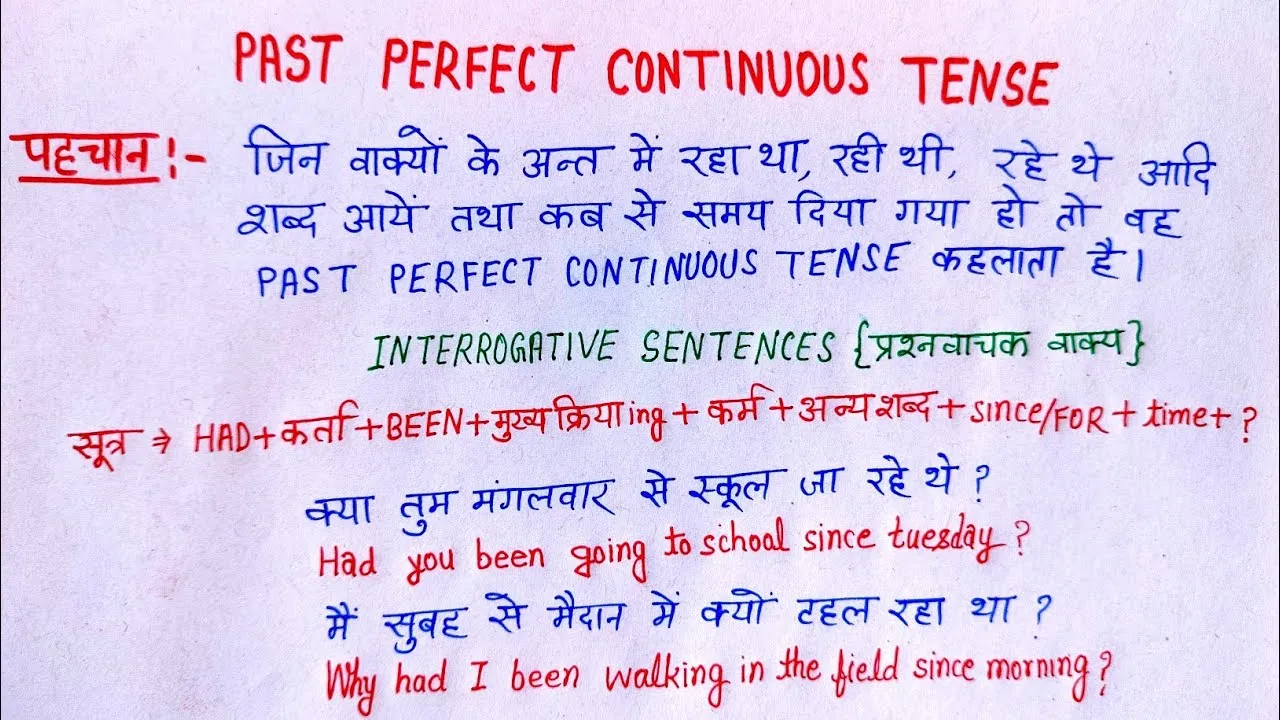
क्या आप past indefinite tense in hindi exercise में महारत हासिल करना चाहते हैं? यह काल (Tense) अंग्रेजी सीखने की नींव है, जो यह बताता है कि कार्य अतीत में समाप्त हो चुका है। भारतीय शिक्षार्थियों के लिए, इसकी संरचना को समझना अत्यंत आवश्यक है। हम इस लेख में सरल भूतकाल के नियम, पहचान और उपयोग की गहराई से चर्चा करेंगे ताकि आप क्रिया का दूसरा रूप (V2) सही से इस्तेमाल कर सकें, विशेषकर नकारात्मक वाक्य और दैनिक संवाद में।
Past Indefinite Tense: आधारभूत परिचय
सरल भूतकाल (Simple Past Tense) का प्रयोग उन कार्यों को दर्शाने के लिए किया जाता है जो भूतकाल में किसी निश्चित समय पर शुरू हुए और समाप्त भी हो गए। यह काल दर्शाता है कि घटना का वर्तमान से कोई संबंध नहीं है। यह अंग्रेजी व्याकरण का एक मौलिक हिस्सा है। इसका सही ज्ञान धाराप्रवाह अंग्रेजी बोलने के लिए आवश्यक है।
सरल भूतकाल (Past Indefinite Tense) की पहचान
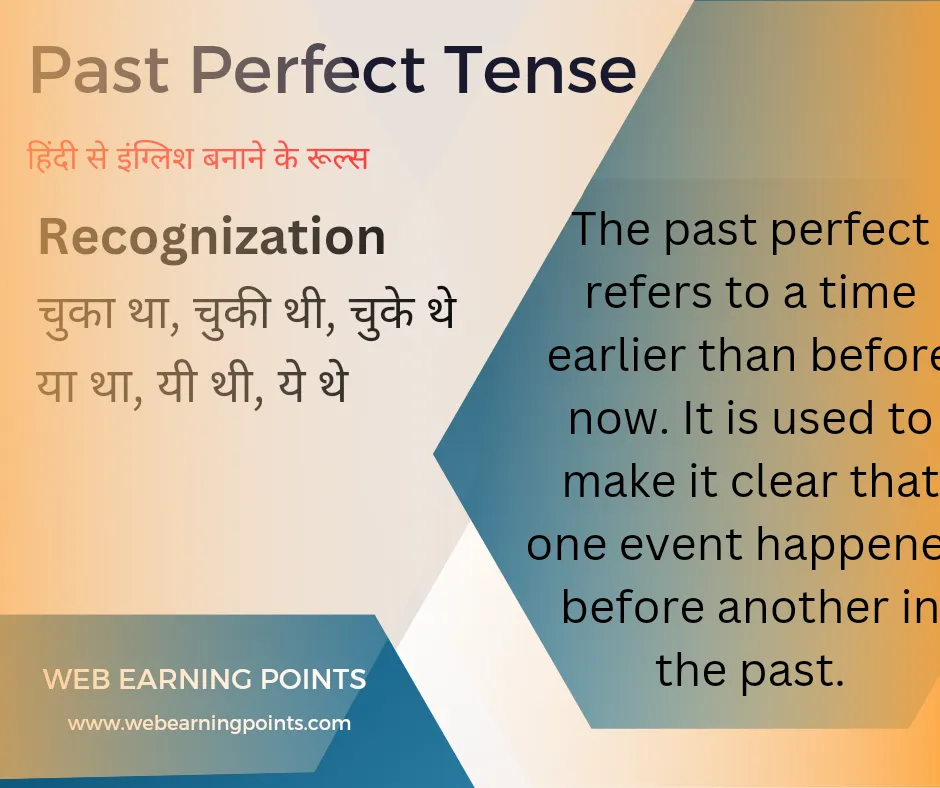
हिंदी वाक्यों के अंत में ‘आ’, ‘ई’, ‘ए’ की मात्राएँ या ‘या’, ‘यी’, ‘ये’ जैसे शब्द आते हैं। उदाहरण के लिए, “मैंने खाया” या “उसने देखा”। कई बार ‘था’, ‘थी’, ‘थे’ का प्रयोग भी होता है, जैसे “वह गया था”। इन दोनों तरह के वाक्यों का अनुवाद प्रायः Past Indefinite Tense में किया जाता है।
महत्वपूर्ण है कि ‘था/थी/थे’ का प्रयोग होने पर भी इसे Past Perfect नहीं समझा जाए। यदि कार्य का प्रभाव वर्तमान पर नहीं पड़ रहा है, तो यह सरल भूतकाल ही रहता है। क्रिया का दूसरा रूप (V2) ही इस काल की मुख्य पहचान है।
नियम एवं संरचना: चार मुख्य भेद
Past Indefinite Tense को समझने के लिए हमें वाक्यों के चार मुख्य भेदों की संरचना को जानना होगा। ये चार भेद हैं: साधारण वाक्य (Affirmative), नकारात्मक वाक्य (Negative), प्रश्नवाचक वाक्य (Interrogative), और प्रश्नवाचक-नकारात्मक वाक्य (Interrogative-Negative)। प्रत्येक प्रकार के वाक्य के लिए विशिष्ट नियम लागू होते हैं।
साधारण वाक्य (Affirmative Sentence Structure)
साधारण वाक्यों में, नियम सबसे सीधा होता है। इसमें सहायक क्रिया (Helping Verb) का उपयोग नहीं किया जाता है। कर्ता (Subject) चाहे एकवचन हो या बहुवचन, क्रिया हमेशा अपने दूसरे रूप (V2) में रहती है।
संरचना: Subject + V2 + Object/Complement
कुछ उदाहरणों पर ध्यान दें:
She went to school.
(वह स्कूल गई।)
They worked hard yesterday.
(उन्होंने कल कड़ी मेहनत की।)
I saw the beautiful bird.
(मैंने सुंदर पक्षी देखा।)
यहां क्रियाओं (Go, Work, See) को उनके दूसरे रूपों (Went, Worked, Saw) में प्रयोग किया गया है। यह संरचना दैनिक संवाद में सबसे अधिक उपयोग होती है।
नकारात्मक वाक्य (Negative Sentence Structure)
नकारात्मक वाक्यों में, हम सहायक क्रिया ‘did’ का उपयोग करते हैं। जैसे ही ‘did’ वाक्य में आता है, मुख्य क्रिया (Main Verb) अपने दूसरे रूप (V2) से बदलकर पहले रूप (V1) में आ जाती है। यह एक अत्यंत महत्वपूर्ण नियम है।
संरचना: Subject + did not + V1 + Object/Complement
He did not eat the food.
(उसने खाना नहीं खाया।)
We did not purchase a new house.
(हमने एक नया घर नहीं खरीदा।)
The students did not understand the lesson.
(विद्यार्थियों ने पाठ नहीं समझा।)
यहां ‘did not’ के साथ क्रिया ‘eat’ (V1) और ‘purchase’ (V1) का प्रयोग हुआ है। यह स्पष्ट करता है कि ‘did’ के आने के बाद V1 अनिवार्य है।
‘Never’ का विशेष प्रयोग
यदि वाक्य में ‘कभी नहीं’ (never) का प्रयोग होता है, तो ‘did not’ का प्रयोग नहीं किया जाता है। इस स्थिति में, नियम साधारण वाक्य की तरह ही रहता है, और मुख्य क्रिया V2 रूप में रहती है।
I never lied to my mother.
(मैंने अपनी माँ से कभी झूठ नहीं बोला।)
He never came back to this city.
(वह कभी इस शहर में वापस नहीं आया।)
इस नियम का ज्ञान नकारात्मक वाक्य निर्माण में सटीकता लाता है।
प्रश्नवाचक वाक्य (Interrogative Sentence Structure)
प्रश्नवाचक वाक्य दो प्रकार के होते हैं: ‘क्या’ से शुरू होने वाले (Yes/No questions) और ‘Wh’ शब्दों (कब, क्यों, कहाँ, कैसे) से शुरू होने वाले। दोनों ही प्रकारों में ‘did’ का प्रयोग होता है और मुख्य क्रिया V1 में बदल जाती है।
1. ‘क्या’ से शुरू होने वाले वाक्य
संरचना: Did + Subject + V1 + Object/Complement?
Did you finish your homework?
(क्या तुमने अपना गृहकार्य पूरा किया?)
Did they see the movie last night?
(क्या उन्होंने कल रात फिल्म देखी?)
2. ‘Wh’ शब्दों से शुरू होने वाले वाक्य
संरचना: Question word + did + Subject + V1 + Object/Complement?
When did you come to the office?
(तुम कार्यालय में कब आए थे?)
Why did she cry in the room?
(वह कमरे में क्यों रोई?)
‘Who’ के साथ अपवाद
जब ‘Who’ (कौन) स्वयं कर्ता (Subject) का काम करता है, तो हम ‘did’ का प्रयोग नहीं करते हैं। इस स्थिति में, क्रिया का दूसरा रूप (V2) ही प्रयोग होता है। यह संरचना V2 की अनिवार्यता बनाए रखती है।
Who broke the glass?
(कांच किसने तोड़ा?)
Who went to the market?
(बाज़ार कौन गया था?)
प्रश्नवाचक-नकारात्मक वाक्य (Interrogative-Negative Structure)
यह संरचना प्रश्न और नकारात्मकता का मिश्रण होती है। इसमें भी ‘did’ का प्रयोग होता है, और ‘not’ कर्ता के बाद आता है।
संरचना: Did + Subject + not + V1 + Object/Complement?
या (संक्षिप्त रूप में): Didn’t + Subject + V1 + Object/Complement?
Did they not go to Agra?
(क्या वे आगरा नहीं गए?)
Didn’t he call you yesterday?
(क्या उसने तुम्हें कल फोन नहीं किया था?)
यह संरचना जटिल वाक्यों को समझने और बनाने में मदद करती है।
सरल भूतकाल का विशेष प्रयोग
सरल भूतकाल केवल एक बार हुए कार्यों तक सीमित नहीं है। इसका उपयोग कई संदर्भों में किया जाता है जो अंग्रेजी की बारीकियों को दर्शाते हैं। भारतीय संदर्भ में, अक्सर कुछ गलतियाँ होती हैं, इसलिए इन विशेष प्रयोगों को समझना आवश्यक है।
अतीत की आदतें और State of Being (Past Habits and States)
Past Indefinite Tense का उपयोग उन आदतों को व्यक्त करने के लिए भी किया जा सकता है जो अतीत में थीं लेकिन अब नहीं हैं। हालांकि इसके लिए ‘used to’ या ‘would’ का प्रयोग अधिक आम है, सरल भूतकाल का उपयोग भी मान्य है, खासकर यदि समय सीमा स्पष्ट हो।
When I was young, I always played cricket.
(जब मैं छोटा था, मैं हमेशा क्रिकेट खेलता था।)
He lived in Delhi for ten years.
(वह दस साल तक दिल्ली में रहा।)
यह दर्शाता है कि क्रिया एक अवधि के दौरान या नियमित रूप से अतीत में हुई थी।
समय सूचक शब्दों का प्रयोग (Use of Time Indicators)
सरल भूतकाल का उपयोग अक्सर विशिष्ट समय सूचक शब्दों के साथ किया जाता है। ये शब्द दर्शाते हैं कि कार्य कब समाप्त हुआ। ये शब्द हैं: yesterday (कल), last week (पिछले सप्ताह), ago (पहले), in 1999 (1999 में)।
The meeting ended ten minutes ago.
(बैठक दस मिनट पहले समाप्त हुई।)
I met her last Monday.
(मैं उससे पिछले सोमवार को मिला।)
इन शब्दों का प्रयोग वाक्य को समय के संदर्भ में बांधता है, जिससे यह स्पष्ट होता है कि घटना अतीत में हुई है।
सबसे बड़ी गलती: Past Simple और Past Perfect में अंतर
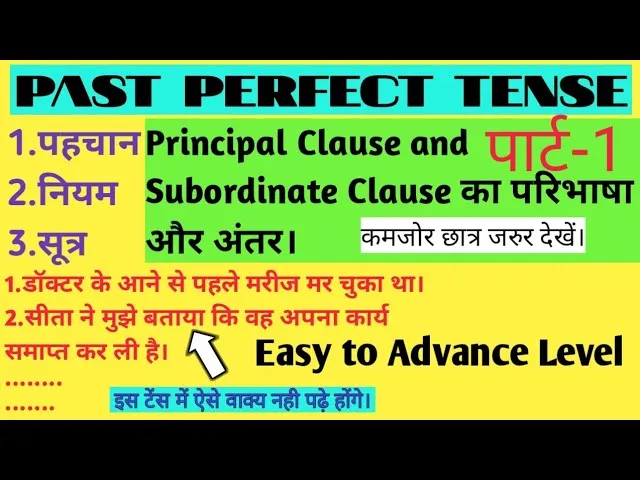
हिंदी भाषी शिक्षार्थियों के बीच सबसे आम गलती ‘मैंने खाया’ (I ate) और ‘मैंने खाया था’ (I had eaten) के अनुवाद में होती है।
नियम: यदि भूतकाल में केवल एक कार्य हुआ, तो वह हमेशा Past Indefinite Tense (V2) होगा, भले ही हिंदी में ‘था’ लगा हो।
I ate. (मैंने खाया/मैंने खाया था।)
Past Perfect Tense (I had eaten) का प्रयोग केवल तभी किया जाता है जब भूतकाल में दो कार्य हुए हों, और हमें पहले समाप्त हुए कार्य को दर्शाना हो।
When I arrived, the train had already left.
(जब मैं पहुँचा, ट्रेन पहले ही जा चुकी थी।)
यहां ट्रेन का जाना (Past Perfect) मेरे पहुँचने (Past Indefinite) से पहले हुआ। यदि संदर्भ में केवल एक क्रिया है, तो V2 ही सही है।
Past Indefinite Tense In Hindi Exercise: विस्तृत अभ्यास खंड
व्याकरण नियमों को सीखने के बाद, अभ्यास (Practice) ही एकमात्र कुंजी है जो आपको धाराप्रवाह बनाएगी। नीचे दिए गए past indefinite tense in hindi exercise खंड में विभिन्न प्रकार के अभ्यास शामिल हैं। इन अभ्यासों को पूरा करके आप अपनी समझ और सटीकता को मजबूत कर सकते हैं।
अभ्यास 1: पहचान और अनुवाद (Identification and Translation)
नीचे दिए गए हिंदी वाक्यों को ध्यान से पढ़ें और उन्हें अंग्रेजी के सरल भूतकाल (Past Indefinite Tense) में अनुवाद करें। (Affirmative Sentences)
- तुमने कहानी लिखी।
You wrote a story. - राम ने मैच जीता।
Ram won the match. - मैंने सच बोला।
I spoke the truth. - वे दिल्ली चले गए।
They moved to Delhi. - बच्चों ने शोर मचाया।
The children made a noise. - शिक्षक ने पाठ पढ़ाया।
The teacher taught the lesson. - सीता ने गाना गाया।
Sita sang a song. - हम लोगों ने कल फिल्म देखी।
We watched a movie yesterday. - वह कल देर से आया।
He came late yesterday. - मैंने अपनी पुरानी घड़ी बेच दी।
I sold my old watch. - किसान ने खेत जोता।
The farmer ploughed the field. - उन्होंने कल रात खाना बनाया।
They cooked food last night. - मैंने एक पत्र लिखा।
I wrote a letter. - वह मेरे पास आया।
He came to me. - तुमने एक पुस्तक खरीदी।
You bought a book. - लता ने एक सुंदर चित्र बनाया।
Lata drew a beautiful picture. - मैंने उसकी मदद की।
I helped him/her. - हम सब ने चाय पी।
We all took tea. - सूर्य कल शाम को अस्त हुआ।
The sun set yesterday evening. - मैनेजर ने मीटिंग शुरू की।
The manager started the meeting.
अभ्यास 2: नकारात्मक रूपांतरण (Negative Transformation)
दिए गए साधारण वाक्यों को नकारात्मक वाक्यों में बदलें। ध्यान रखें कि ‘did not’ के साथ क्रिया का पहला रूप (V1) आएगा।
- They bought a car last month.
They did not buy a car last month. - She finished her work quickly.
She did not finish her work quickly. - We saw him at the market.
We did not see him at the market. - The dog barked loudly at the stranger.
The dog did not bark loudly at the stranger. - The electricity came back at 9 PM.
The electricity did not come back at 9 PM. - He told me the entire story.
He did not tell me the entire story. - The principal addressed the students.
The principal did not address the students. - They helped the needy people.
They did not help the needy people. - Ram liked the present.
Ram did not like the present. - I understood the meaning.
I did not understand the meaning. - He drove the car fast.
He did not drive the car fast. - The baby cried all night.
The baby did not cry all night. - My father woke up early.
My father did not wake up early. - They gave the money to the beggar.
They did not give the money to the beggar. - The teacher checked the notebooks.
The teacher did not check the notebooks.
अभ्यास 3: प्रश्नवाचक रूपांतरण (Interrogative Transformation)
दिए गए वाक्यों को निर्देशानुसार प्रश्नवाचक वाक्यों में रूपांतरित करें।
- (Wh-Question: कब/When) वह गाँव से लौटा।
When did he return from the village? - (Yes/No Question: क्या) तुमने मुझे फोन किया था।
Did you call me? - (Yes/No Question: क्या) राहुल ने अपना वादा निभाया।
Did Rahul keep his promise? - (Wh-Question: क्यों/Why) तुमने नौकरी छोड़ दी।
Why did you quit the job? - (Wh-Question: कहाँ/Where) वे पिछली गर्मियों में ठहरे थे।
Where did they stay last summer? - (Yes/No Question: क्या) वे लोग क्रिकेट खेलने गए।
Did they go to play cricket? - (Wh-Question: किसने/Who – कर्ता के रूप में) दरवाजा तोड़ा।
Who broke the door? - (Wh-Question: क्या/What) तुमने कल सुबह खाया।
What did you eat yesterday morning? - (Yes/No Question: क्या) उसने मुझे पहचाना।
Did he recognize me? - (Wh-Question: कैसे/How) उसने परीक्षा पास की।
How did he pass the exam? - (Yes/No Question: क्या) मोहन ने झूठ नहीं बोला। (Interrogative-Negative)
Did Mohan not lie? - (Wh-Question: क्यों/Why) आप कल स्कूल नहीं आए। (Interrogative-Negative)
Why did you not come to school yesterday?
अभ्यास 4: खाली स्थान भरें (Fill in the Blanks – V1/V2 choice)
कोष्ठक में दी गई क्रिया के सही रूप (V1 या V2) का प्रयोग करके खाली स्थान भरें। did का प्रयोग होने पर V1 का प्रयोग करें।
- I ______ (go) to the market yesterday.
I went to the market yesterday. - She did not ______ (tell) me the secret.
She did not tell me the secret. - Who ______ (win) the race?
Who won the race? - Where ______ you ______ (put) the keys?
Where did you put the keys? - We never ______ (see) such a wonderful sight.
We never saw such a wonderful sight. - Did the children ______ (enjoy) the party?
Did the children enjoy the party? - He ______ (write) a book when he was young.
He wrote a book when he was young. - My mother ______ (cook) delicious food last night.
My mother cooked delicious food last night. - Why did they ______ (cancel) the trip?
Why did they cancel the trip? - The teacher ______ (punish) the latecomers.
The teacher punished the latecomers. - The shop ______ (close) exactly at 8 PM.
The shop closed exactly at 8 PM. - She did not ______ (buy) the vegetables.
She did not buy the vegetables. - What ______ he ______ (say) to you?
What did he say to you? - The old man ______ (fall) down the stairs.
The old man fell down the stairs. - Did the aeroplane ______ (land) safely?
Did the aeroplane land safely?
अभ्यास 5: अशुद्धि सुधार (Error Correction)
निम्नलिखित वाक्यों में व्याकरण संबंधी त्रुटियाँ हैं। त्रुटियों को पहचानें और सरल भूतकाल के नियमों का उपयोग करके उन्हें सही करें।
- They did not went home.
Correction: They did not go home. (Did के साथ V1) - Who did opened the gate?
Correction: Who opened the gate? (Who कर्ता है, इसलिए Did का उपयोग नहीं होगा।) - Why you came late yesterday?
Correction: Why did you come late yesterday? (Wh-word के बाद Did आवश्यक है।) - She not bought the dress.
Correction: She did not buy the dress. (नकारात्मक वाक्य में Did not आवश्यक है।) - Did he saw the movie?
Correction: Did he see the movie? (Did के साथ V1) - I had eaten when my friend called. (अगर संदर्भ में केवल एक कार्य है)
Correction: I ate when my friend called. (एकल अतीत क्रिया के लिए Past Simple) - He never did speak a lie.
Correction: He never spoke a lie. (Never के साथ Did नहीं आता, V2 का उपयोग होता है।) - Did the rain started?
Correction: Did the rain start? (Did के साथ V1) - We did not liked the movie.
Correction: We did not like the movie. (Did के साथ V1) - I understood that Past Indefinite Tense in Hindi.
Correction: I understood the Past Indefinite Tense in Hindi. (वाक्य सही है, V2 का उचित प्रयोग हुआ है।)
अभ्यास 6: हिंदी से अंग्रेजी अनुवाद (उच्च स्तर)
इन वाक्यों में Interrogative-Negative और मिश्रित नियम शामिल हैं। इन्हें सटीकता के साथ अनुवाद करें।
- क्या तुमने यह खबर नहीं सुनी?
Did you not hear this news? - वे कल किससे मिलने गए थे?
Whom did they go to meet yesterday? - तुमने अपना वादा क्यों नहीं निभाया?
Why did you not keep your promise? - क्या माँ ने चाय नहीं बनाई थी? (अतीत की एक अकेली क्रिया)
Did Mother not make tea? - मैंने उसे कभी भी निराश नहीं किया।
I never disappointed him. - वह पिछले सप्ताह कहाँ सोई थी?
Where did she sleep last week? - क्या विद्यार्थियों ने दौड़ पूरी नहीं की?
Did the students not complete the race? - कल कौन अनुपस्थित था? (Who – कर्ता)
Who was absent yesterday? (यहां V2 ‘was’ का प्रयोग हुआ।) - आपने इतनी जल्दी शादी क्यों कर ली?
Why did you marry so early? - मैंने उसे नहीं देखा था, इसलिए मैं चला गया।
I did not see him, so I left.
सारांश
सरल भूतकाल (past indefinite tense in hindi exercise) अंग्रेजी व्याकरण का एक अनिवार्य भाग है। इसकी मुख्य पहचान है कि साधारण वाक्यों में V2 (क्रिया का दूसरा रूप) का प्रयोग होता है, जबकि नकारात्मक और प्रश्नवाचक वाक्यों में सहायक क्रिया ‘did’ के साथ V1 (क्रिया का पहला रूप) इस्तेमाल होता है। ‘Who’ और ‘Never’ के विशेष नियमों को याद रखना महत्वपूर्ण है। निरंतर अभ्यास और V1/V2 के सही चयन पर ध्यान केंद्रित करके आप इस काल पर पूर्ण नियंत्रण प्राप्त कर सकते हैं।
Last Updated on 25/11/2025 by Emma Collins

Hello there! I’m Emma Collins, your English instructor at Skilled English. Learning a new language doesn’t have to be stressful or confusing — and I’m here to prove it. With over 6 years of experience teaching English to beginners, my goal is to help you feel confident in speaking, writing, and understanding English step by step. Read more


