

अंग्रेजी व्याकरण में, present perfect continuous tense in hindi examples सबसे महत्वपूर्ण हिस्सों में से एक है। यह हमें बताता है कि कोई कार्य भूतकाल में शुरू हुआ था और अभी भी जारी है, जिस कारण इसकी क्रिया की अवधि स्पष्ट होती है। भारतीय छात्रों के लिए इस काल को समझना अत्यंत आवश्यक है, क्योंकि यह दैनिक बातचीत में Since और For के प्रयोग को स्पष्ट करता है। इस विस्तृत मार्गदर्शिका में, हम इसकी सहायक क्रिया और सही वाक्य संरचना का गहराई से विश्लेषण करेंगे ताकि आप इसे आसानी से बोल और लिख सकें।
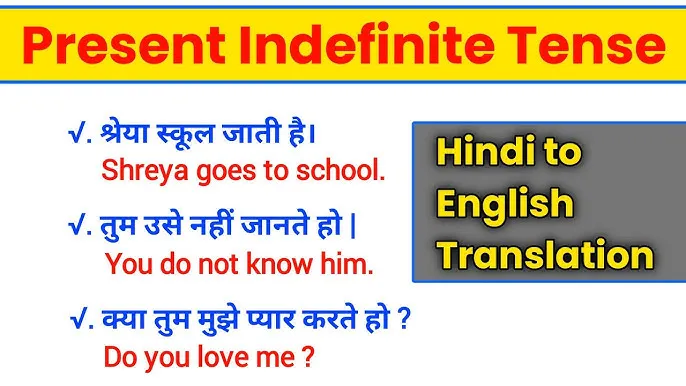
Present Perfect Continuous Tense की गहन परिभाषा और पहचान
प्रेजेंट परफेक्ट कंटीन्यूअस टेंस (Present Perfect Continuous Tense) वर्तमान काल का चौथा और अंतिम भाग है। इसे हिंदी में ‘अनिश्चित पूर्ण अपूर्ण काल’ भी कहा जाता है। यह काल हमें उस क्रिया के बारे में जानकारी देता है जो पहले किसी समय शुरू हुई थी और अभी तक लगातार चल रही है।
इस टेंस की सबसे बड़ी पहचान यह है कि यह किसी कार्य की निरंतरता के साथ-साथ उसकी समय अवधि (Duration) को भी दर्शाता है। यदि वाक्य में समय का उल्लेख नहीं होता है, तो वह केवल प्रेजेंट कंटीन्यूअस टेंस कहलाता है। समय का होना इस काल की अनिवार्य शर्त है।
Present Perfect Continuous Tense की हिंदी में पहचान
हिंदी भाषा के वाक्यों की क्रियाओं के अंत में ‘रहा है’, ‘रही है’, ‘रहे हैं’, ‘रहा हूँ’ जैसे शब्द आते हैं। इसके अलावा, इन वाक्यों में अनिवार्य रूप से समय का वर्णन भी दिया होता है। यह समय निश्चित (Point of Time) या अनिश्चित (Period of Time) हो सकता है।
उदाहरण के लिए, “मैं सुबह से पढ़ रहा हूँ।” इस वाक्य में ‘पढ़ रहा हूँ’ के साथ ‘सुबह से’ समय अवधि को दर्शाता है। यह स्पष्ट करता है कि पढ़ने का कार्य भूतकाल में शुरू हुआ और वर्तमान में भी जारी है। ऐसे वाक्यों का अनुवाद प्रेजेंट परफेक्ट कंटीन्यूअस टेंस में ही किया जाता है।
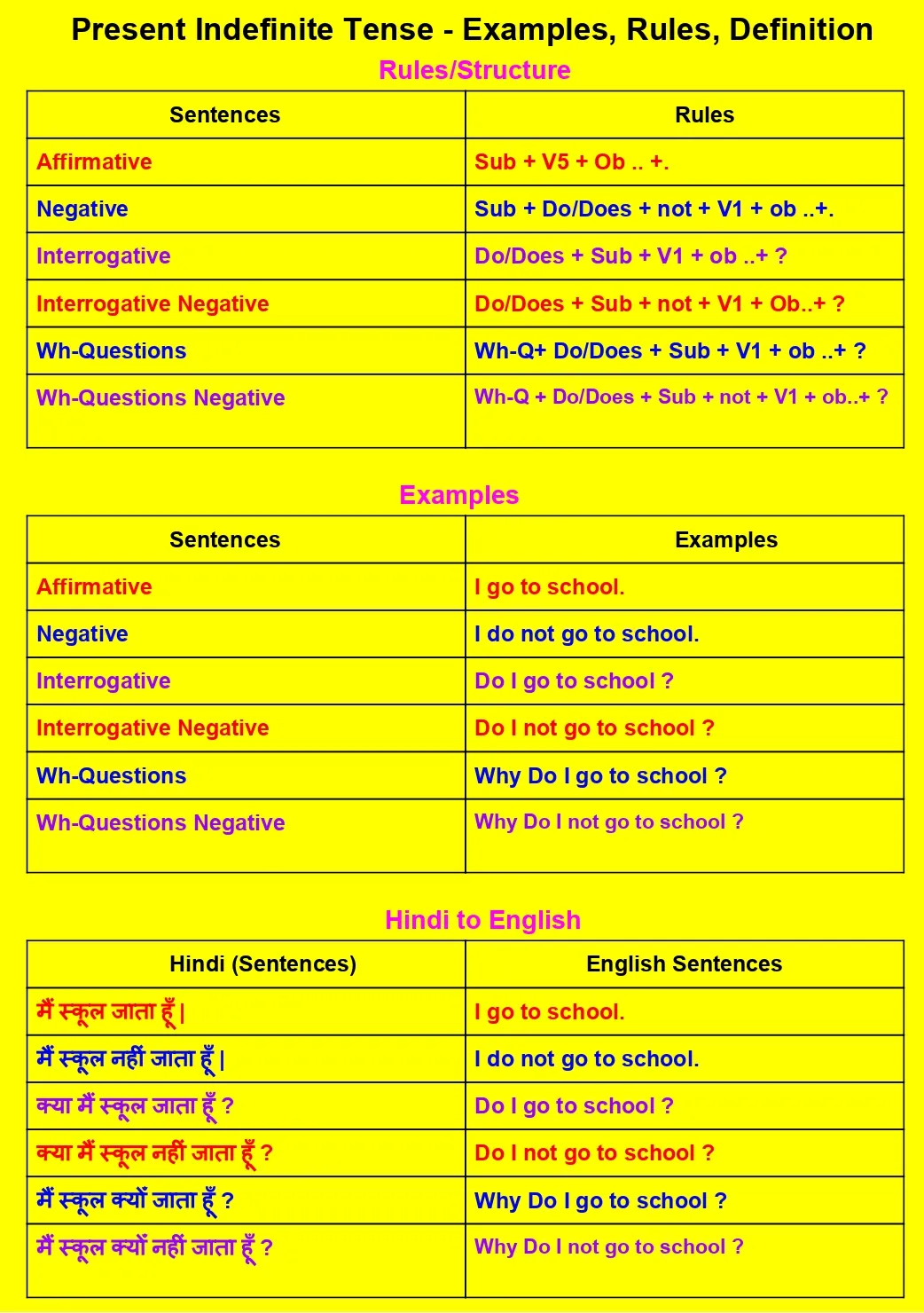
सहायक क्रिया (Helping Verb) और मुख्य क्रिया (Main Verb) का प्रयोग
इस काल में सहायक क्रिया (Auxiliary Verb) के रूप में ‘Has been’ और ‘Have been’ का उपयोग किया जाता है। मुख्य क्रिया (Main Verb) की पहली फॉर्म (V1) के साथ -ing जोड़ा जाता है। यही नियम सभी कंटीन्यूअस काल में अपनाया जाता है।
Has been और Have been का प्रयोग
कर्ता (Subject) के अनुसार सहायक क्रिया का चयन करना आवश्यक होता है। यह नियम अंग्रेजी व्याकरण की आधारशिला है।
एकवचन कर्ता (Singular Subjects) के साथ ‘Has been’ का प्रयोग होता है। Singular Subjects में He, She, It, तथा कोई भी Singular Noun (जैसे Ram, The girl, The dog) शामिल होते हैं।
बहुवचन कर्ता (Plural Subjects) के साथ ‘Have been’ का प्रयोग होता है। Plural Subjects में I, We, You, They, तथा कोई भी Plural Noun (जैसे The boys, Ram and Shyam) शामिल होते हैं। ध्यान रहे, ‘I’ (मैं) को हमेशा बहुवचन सहायक क्रिया के साथ उपयोग किया जाता है।
Subject के अनुसार सहायक क्रिया की तालिका
नीचे दी गई तालिका से सहायक क्रिया के चुनाव को समझना सरल हो जाता है। सही सहायक क्रिया का उपयोग वाक्य संरचना की सटीकता के लिए महत्वपूर्ण है।
| कर्ता (Subject) | सहायक क्रिया (Helping Verb) |
|---|---|
| He, She, It, Singular Noun | Has been |
| I, We, You, They, Plural Noun | Have been |
उदाहरण के लिए, ‘वह’ (He) के साथ Has been, जबकि ‘हम’ (We) के साथ Have been का प्रयोग किया जाता है। मुख्य क्रिया हमेशा V1 + ing फॉर्म में ही रहेगी, जो कार्य के जारी रहने को दर्शाती है।
Since और For का गहन उपयोग: समय सूचक शब्द
प्रेजेंट परफेक्ट कंटीन्यूअस टेंस की पहचान समय के उल्लेख से होती है। इस समय को दर्शाने के लिए Since और For का प्रयोग किया जाता है। इन दोनों का सही उपयोग ही present perfect continuous tense in hindi examples को सटीक बनाता है।
Since का प्रयोग: निश्चित समय (Point of Time)
Since का प्रयोग तब किया जाता है जब हमें कार्य के शुरू होने का निश्चित समय, तारीख या बिंदु पता होता है। इसे ‘Point of Time’ कहा जाता है।
निश्चित समय में निम्न शामिल हैं:
- समय के बिंदु: Since 2 o’clock (2 बजे से), Since 10:30 AM (सुबह 10:30 से)।
- दिन के भाग: Since morning (सुबह से), Since evening (शाम से), Since dawn (भोर से)।
- दिनों के नाम: Since Monday (सोमवार से), Since Sunday (रविवार से)।
- महीनों के नाम: Since January (जनवरी से), Since July (जुलाई से)।
- वर्ष: Since 1998 (1998 से), Since 2020 (2020 से)।
- जीवन अवस्था: Since childhood (बचपन से), Since birth (जन्म से)।
- बीते हुए समय का संदर्भ: Since yesterday (कल से), Since last week (पिछले सप्ताह से)।
For का प्रयोग: समय की अवधि (Period of Time)
For का प्रयोग तब किया जाता है जब हमें कार्य की कुल अवधि (Total Duration) पता होती है। लेकिन हमें यह नहीं पता होता कि कार्य किस विशिष्ट बिंदु पर शुरू हुआ था। इसे ‘Period of Time’ कहा जाता है।
समय की अवधि में निम्न शामिल हैं:
- घंटे: For an hour (एक घंटे से), For five hours (पाँच घंटे से)।
- दिन: For two days (दो दिनों से), For many days (कई दिनों से)।
- सप्ताह: For a week (एक सप्ताह से), For six weeks (छः सप्ताह से)।
- महीने: For three months (तीन महीनों से), For several months (कई महीनों से)।
- वर्ष: For ten years (दस सालों से), For a long time (बहुत देर से)।
Since और For का यह अंतर भारतीय छात्रों के लिए सबसे महत्वपूर्ण है। इसे ध्यान में रखना क्रिया की अवधि को सही तरीके से व्यक्त करने में सहायक होता है।
Present Perfect Continuous Tense के नियम और वाक्य संरचना
इस काल के वाक्यों को चार मुख्य श्रेणियों में विभाजित किया गया है। प्रत्येक श्रेणी की अपनी विशिष्ट वाक्य संरचना होती है, जिसका पालन अनुवाद करते समय सख्ती से किया जाना चाहिए।
1. Affirmative Sentences (सकारात्मक वाक्य)
सकारात्मक वाक्य वे होते हैं जिनमें किसी कार्य के होने की पुष्टि की जाती है। इन वाक्यों में कोई ‘नकार’ या ‘प्रश्न’ नहीं होता है।
संरचना सूत्र (Structure Formula):
Subject + Has been/Have been + V1 + ing + Object + Since/For + Time.
सकारात्मक वाक्यों के अनुवाद के लिए, सबसे पहले कर्ता आता है, फिर सहायक क्रिया और अंत में क्रिया की ing फॉर्म। समय को दर्शाने के लिए Since या For का सही उपयोग किया जाता है।
25 महत्वपूर्ण Affirmative Examples:
- वह सुबह से अपनी माँ का इंतजार कर रहा है। He has been waiting for his mother since morning.
- हम चार घंटे से एक नई योजना पर काम कर रहे हैं। We have been working on a new plan for four hours.
- अध्यापक दो बजे से छात्रों को व्याकरण पढ़ा रहे हैं। The teacher has been teaching grammar to students since two o’clock.
- मेरे दादाजी बचपन से ही इस शहर में रह रहे हैं। My grandfather has been living in this city since his childhood.
- वे दस साल से इस समस्या का समाधान खोज रहे हैं। They have been seeking the solution to this problem for ten years.
- बारिश पिछले तीन घंटों से बिना रुके हो रही है। It has been raining non-stop for the last three hours.
- मैं पिछले शुक्रवार से एक उपन्यास पढ़ रहा हूँ। I have been reading a novel since last Friday.
- किसान सुबह से अपने खेतों की जुताई कर रहे हैं। The farmers have been ploughing their fields since morning.
- राधा और श्याम दो साल से एक साथ काम कर रहे हैं। Radha and Shyam have been working together for two years.
- तुम बहुत देर से मेरे कमरे में बैठे हुए हो। You have been sitting in my room for a long time.
- बच्चा बीस मिनट से लगातार रो रहा है। The baby has been crying continuously for twenty minutes.
- हम 2018 से इस कंपनी में निवेश कर रहे हैं। We have been investing in this company since 2018.
- वह 15 मिनट से तुम्हारा फोन मिलाने की कोशिश कर रहा है। He has been trying to call you for 15 minutes.
- यात्री तीन घंटे से बस का इंतजार कर रहे हैं। The passengers have been waiting for the bus for three hours.
- सूरज सुबह से चमक रहा है। The sun has been shining since morning.
- मैं एक घंटे से अपने जूते पॉलिश कर रहा हूँ। I have been polishing my shoes for an hour.
- मेरी बहन सोमवार से नृत्य का अभ्यास कर रही है। My sister has been practicing dance since Monday.
- पुलिस पिछले तीन महीनों से इस मामले की जाँच कर रही है। The police have been investigating this case for the last three months.
- वे दो दिनों से लगातार यात्रा कर रहे हैं। They have been travelling continuously for two days.
- मैनेजर 4:00 बजे से मीटिंग की तैयारी कर रहा है। The manager has been preparing for the meeting since 4 o’clock.
- छात्र सुबह 9 बजे से प्रोजेक्ट पर काम कर रहे हैं। The students have been working on the project since 9 AM.
- मैं बचपन से ही क्रिकेट खेल रहा हूँ। I have been playing cricket since my childhood.
- वह दो घंटे से एक महत्वपूर्ण ईमेल लिख रहा है। He has been writing an important email for two hours.
- मेरी दादी तीन दिन से धार्मिक कहानियाँ सुना रही हैं। My grandmother has been telling religious stories for three days.
- तुम पिछले सप्ताह से व्यायाम कर रहे हो। You have been doing exercise since last week.
2. Negative Sentences (नकारात्मक वाक्य)
नकारात्मक वाक्यों में किसी कार्य के जारी न रहने का बोध होता है। इसमें ‘नहीं’ (not) का प्रयोग होता है। इस काल में ‘not’ का स्थान सहायक क्रिया के बीच में होता है।
‘Not’ का सही स्थान: ‘Has/Have’ और ‘been’ के ठीक बीच में ‘not’ का प्रयोग होता है।
संरचना सूत्र (Structure Formula):
Subject + Has not been/Have not been + V1 + ing + Object + Since/For + Time.
संक्षेप रूप (Contracted forms) में hasn’t been या haven’t been का प्रयोग भी सामान्य बोलचाल में किया जाता है।
25 महत्वपूर्ण Negative Examples:
- तुम दो घंटे से अपनी किताब नहीं पढ़ रहे हो। You have not been reading your book for two hours.
- किसान सुबह से अपने खेत में काम नहीं कर रहे हैं। The farmers have not been working in their field since morning.
- वे 2010 से दिल्ली में नहीं रह रहे हैं। They have not been living in Delhi since 2010.
- मेरा भाई पिछले तीन महीनों से विदेश नहीं जा रहा है। My brother has not been going abroad for the last three months.
- वह कल से कुछ नहीं खा रहा है। He has not been eating anything since yesterday.
- हम बहुत देर से तुम्हें परेशान नहीं कर रहे हैं। We have not been disturbing you for a long time.
- चपरासी 10 मिनट से घंटी नहीं बजा रहा है। The peon has not been ringing the bell for 10 minutes.
- माली सुबह से पौधों को पानी नहीं दे रहा है। The gardener has not been watering the plants since morning.
- वह दो साल से अंग्रेजी नहीं सीख रहा है। He has not been learning English for two years.
- यह नौकर तीन सप्ताह से काम पर नहीं आ रहा है। This servant has not been coming to work for three weeks.
- मैं पिछले रविवार से इस कहानी को नहीं लिख रहा हूँ। I have not been writing this story since last Sunday.
- बच्चे सुबह से मैदान में नहीं खेल रहे हैं। The children have not been playing in the field since morning.
- राहुल बचपन से इन खेलों में भाग नहीं ले रहा है। Rahul has not been participating in these games since his childhood.
- यहाँ चार घंटे से बर्फबारी नहीं हो रही है। It has not been snowing here for four hours.
- वे दो घंटे से बैंक से पैसे नहीं निकाल रहे हैं। They have not been withdrawing money from the bank for two hours.
- मेरी माँ पिछले एक सप्ताह से उपवास नहीं रख रही हैं। My mother has not been fasting for the last week.
- वह 30 मिनट से फिल्म नहीं देख रहा है। He has not been watching the movie for 30 minutes.
- यह लड़का 2021 से उर्दू नहीं सीख रहा है। This boy has not been learning Urdu since 2021.
- मछुआरे दो दिन से नदी में मछली नहीं पकड़ रहे हैं। The fishermen have not been catching fish in the river for two days.
- मेरी दोस्त दो साल से मुझसे बात नहीं कर रही है। My friend has not been talking to me for two years.
- डॉक्टर दो सप्ताह से अस्पताल में नहीं आ रहे हैं। The doctor has not been coming to the hospital for two weeks.
- वे सुबह से मेरी सलाह पर ध्यान नहीं दे रहे हैं। They have not been paying attention to my advice since morning.
- मेरा पड़ोसी 6 महीने से कार नहीं चला रहा है। My neighbor has not been driving the car for 6 months.
- ये छात्र तीन दिन से विज्ञान नहीं पढ़ रहे हैं। These students have not been studying science for three days.
- कंपनी के मालिक दो महीने से नए कर्मचारी नहीं रख रहे हैं। The company owners have not been hiring new employees for two months.
3. Interrogative Sentences (प्रश्नवाचक वाक्य)
प्रश्नवाचक वाक्यों का उपयोग प्रश्न पूछने के लिए किया जाता है। ये दो प्रकार के होते हैं: Yes/No Type और Wh-word Type. क्रिया की अवधि से संबंधित प्रश्न पूछना महत्वपूर्ण है।
Type 1: Yes/No Type Questions (क्या से शुरू होने वाले वाक्य)
जब वाक्य ‘क्या’ से शुरू होता है, तो उसका उत्तर ‘हाँ’ या ‘नहीं’ में दिया जा सकता है। इसमें ‘क्या’ की अंग्रेजी (What) का प्रयोग नहीं होता है। इसके बजाय सहायक क्रिया ‘Has’ या ‘Have’ को कर्ता से पहले रखा जाता है।
संरचना सूत्र (Structure Formula):
Has/Have + Subject + been + V1 + ing + Object + Since/For + Time + ?
15 महत्वपूर्ण Yes/No Examples:
- क्या दो घंटे से ज़ोरों से बारिश हो रही है? Has it been raining heavily for two hours?
- क्या तुम बहुत देर से उसका इंतज़ार कर रहे हो? Have you been waiting for him for a long time?
- क्या राम सुबह से रामायण पढ़ रहा है? Has Ram been reading the Ramayana since morning?
- क्या वे चार घंटे से मैदान में अभ्यास कर रहे हैं? Have they been practicing in the field for four hours?
- क्या तुम्हारा भाई पिछले साल से नोएडा में रह रहा है? Has your brother been living in Noida since last year?
- क्या खिलाड़ी 4 बजे से मैच खेल रहे हैं? Have the players been playing the match since 4 o’clock?
- क्या मैं तुम्हें दो घंटे से पढ़ा रहा हूँ? Have I been teaching you for two hours?
- क्या वह बचपन से डॉक्टर बनने का सपना देख रहा है? Has he been dreaming of becoming a doctor since childhood?
- क्या यह लड़की सुबह से गाना गा रही है? Has this girl been singing since morning?
- क्या वे इस जंगल में दो घंटे से लकड़ियाँ काट रहे हैं? Have they been chopping wood in this forest for two hours?
- क्या वह तीन सप्ताह से ऑफिस आ रहा है? Has he been coming to the office for three weeks?
- क्या आप लोग पाँच सालों से यह दुकान चला रहे हैं? Have you been running this shop for five years?
- क्या 1 जनवरी से तुम्हारे शहर में सर्दी पड़ रही है? Has it been winter in your city since January 1st?
- क्या वह 30 मिनट से इस समस्या को हल करने की कोशिश कर रहा है? Has he been trying to solve this problem for 30 minutes?
- क्या ये बच्चे चार साल से परीक्षा की तैयारी कर रहे हैं? Have these boys been preparing for the exam for four years?
Type 2: Wh-word Type Questions (प्रश्नवाचक शब्द बीच में)
जब प्रश्नवाचक शब्द (जैसे: कब, क्यों, क्या, कहाँ, कौन) वाक्य के बीच में आते हैं, तो उनकी अंग्रेजी सबसे पहले लिखी जाती है।
संरचना सूत्र (Structure Formula):
Question Word + Has/Have + Subject + been + V1 + ing + Object + Since/For + Time + ?
15 महत्वपूर्ण Wh-word Examples:
- तुम दो घंटे से क्या कर रहे हो? What have you been doing for two hours?
- बच्चे पिछले दो दिनों से कहाँ जा रहे हैं? Where have the children been going for the last two days?
- वह चार बजे से अपने दादाजी के साथ क्यों खेल रहा है? Why has he been playing with his grandfather since four o’clock?
- किसान दो घंटे से कौन सी फसल बो रहे हैं? Which crop have the farmers been sowing for two hours?
- मास्टर जी सुबह से छात्रों को क्या पढ़ा रहे हैं? What has the teacher been teaching the students since morning?
- तुम्हें 30 मिनट से कौन पीट रहा है? Who has been beating you for 30 minutes?
- रेखा पाँच महीने से किस शहर में रह रही है? In which city has Rekha been living for five months?
- वे लोग दो दिनों से जंगल में क्या ढूंढ रहे हैं? What have those people been searching for in the forest for two days?
- आप बचपन से इलाहाबाद में किस विषय का अध्ययन कर रहे हैं? Which subject have you been studying in Allahabad since childhood?
- सोहन पिछले रविवार से कानपुर क्यों जा रहा है? Why has Sohan been going to Kanpur since last Sunday?
- भारतीय सेना मंगलवार से कहाँ अभ्यास कर रही है? Where has the Indian Army been practicing since Tuesday?
- आपके परिवार के सदस्य पिछले 5 सालों से कौन सा अखबार पढ़ रहे हैं? Which newspaper have your family members been reading for the last 5 years?
- वह दो घंटे से किसको ढूंढ रहा है? Whom has he been looking for for two hours?
- तुम रामायण कब से पढ़ रहे हो? Since when have you been reading the Ramayana?
- यह लोग दो दिन से इस व्यक्ति को क्यों परेशान कर रहे हैं? Why have these people been harassing this person for two days?
4. Interrogative Negative Sentences (प्रश्नवाचक नकारात्मक वाक्य)
ये वाक्य प्रश्न भी पूछते हैं और नकार (not) का भाव भी दर्शाते हैं। इसमें ‘not’ का प्रयोग कर्ता (Subject) के तुरंत बाद होता है।
Yes-No Type Negative Structure:
Has/Have + Subject + Not + been + V1 + ing + Object + Since/For + Time + ?
Wh-word Type Negative Structure:
Question Word + Has/Have + Subject + Not + been + V1 + ing + Object + Since/For + Time + ?
10 महत्वपूर्ण Interrogative Negative Examples:
- क्या तुम दो घंटे से नहीं खेल रहे हो? Have you not been playing for two hours?
- क्या किसान दो दिनों से अपनी फसल नहीं काट रहा है? Has the farmer not been reaping his crop for two days?
- रोहन दो सप्ताह से ऑफिस क्यों नहीं जा रहा है? Why has Rohan not been going to the office for two weeks?
- क्या वे पिछले शनिवार से पढ़ने नहीं आ रहे हैं? Have they not been coming to read since last Saturday?
- तुम्हारा कुत्ता दो दिन से कुछ क्यों नहीं खा रहा है? Why has your dog not been eating anything for two days?
- क्या यह नौकर एक महीने से काम नहीं कर रहा है? Has this servant not been working for a month?
- वे तीन बजे से यहाँ क्यों नहीं रुके हुए हैं? Why have they not been staying here since three o’clock?
- हरि दो घंटे से यह सवाल हल क्यों नहीं कर रहा है? Why has Hari not been solving this question for two hours?
- क्या तुम पिछले रविवार से विद्यालय नहीं जा रहे हो? Have you not been going to school since last Sunday?
- क्या वे सुबह से नेताजी का इंतज़ार नहीं कर रहे हैं? Have they not been waiting for the leader since morning?
व्यापक अभ्यास खंड: Present Perfect Continuous Tense Practice
नियमों को समझने के बाद, सबसे महत्वपूर्ण चरण अभ्यास करना है। ये अभ्यास वाक्य present perfect continuous tense in hindi examples को मजबूत बनाने में सहायता करेंगे। नीचे तीन अलग-अलग प्रकार के वाक्यों के लिए अभ्यास दिए गए हैं।
अभ्यास 1: सकारात्मक वाक्य (Affirmative Sentences)
- बच्चे सुबह से पतंग उड़ा रहे हैं।
- मैं दो घंटे से खाना बना रहा हूँ।
- वे 2012 से एक-दूसरे को जानते हैं।
- तुम्हारी बहन आधे घंटे से नाच रही है।
- मेरा कुत्ता सुबह से भौंक रहा है।
- मास्टर साहब तीन दिनों से कापियाँ जाँच रहे हैं।
- हम एक साल से एक नया घर खरीद रहे हैं।
- लड़का बहुत देर से कार चला रहा है।
- वे पिछले सोमवार से मरीज का इलाज कर रहे हैं।
- पिताजी दो घंटे से तुम्हारा इंतजार कर रहे हैं।
- मिस्टर गुप्ता 2018 से चंडीगढ़ में रह रहे हैं।
- वह चार दिन से बुखार से पीड़ित है।
- यह लड़की दो घंटे से पढ़ रही है।
- बहुत देर से हल्की वर्षा हो रही है।
- तुम 2019 से यहाँ पढ़ने आ रहे हो।
- वह कल से इस सोने की अंगूठी को बना रहा है।
- हम तीन साल से अंग्रेजी सीख रहे हैं।
- राम दो बजे से अपनी गाय चरा रहा है।
- वे दो घंटे से अपने घर को सजा रहे हैं।
- मेरी नानी बचपन से ही हमें कहानियाँ सुना रही हैं।
अभ्यास 2: नकारात्मक वाक्य (Negative Sentences)
- राम का भाई पाँच दिन से स्कूल नहीं आ रहा है।
- उसे दो महीने से सर्दी नहीं हो रही है।
- यह माली दो सप्ताह से पौधों को पानी नहीं दे रहा है।
- आधे घंटे से बरसात नहीं हो रही है।
- मैं जनवरी से फ्रेंच नहीं सीख रहा हूँ।
- तुम्हारा बच्चा 20 मिनट से नहीं रो रहा है।
- श्याम एक वर्ष से इतिहास नहीं पढ़ रहा है।
- तुम अपने मित्र का दो घंटे से इंतजार नहीं कर रहे हो।
- यात्री तीन बजे से स्टेशन पर नहीं बैठे हैं।
- किसान पिछले सप्ताह से खेत में काम नहीं कर रहे हैं।
- मैं तुम्हें चार महीने से यह सच नहीं बता रहा हूँ।
- वह दो सालों से इस पद के लिए आवेदन नहीं कर रहा है।
- हमारा परिवार 2020 से विदेश यात्रा पर नहीं जा रहा है।
- वे सुबह से मेरी बात नहीं सुन रहे हैं।
- छात्र दो घंटे से प्रयोगशाला में प्रयोग नहीं कर रहे हैं।
- मेरी दोस्त दो दिन से मुझसे नहीं मिल रही है।
- मेरी बहन एक घंटे से टेलीविजन नहीं देख रही है।
- यह संगठन पाँच साल से गरीबों की मदद नहीं कर रहा है।
- वह 10 मिनट से कविता याद नहीं कर रहा है।
- बच्चे एक घंटे से शांत नहीं बैठे हैं।
अभ्यास 3: प्रश्नवाचक वाक्य (Interrogative Sentences)
- यह लड़का दो घंटे से किसका इंतजार कर रहा है?
- तुम कल से गणित के सवाल क्यों हल कर रहे हो?
- क्या तुम्हारे टीचर दो दिन से आ रहे हैं?
- वह पिछले सप्ताह से क्या कर रहा है?
- तुम तीन घंटे से लैपटॉप पर क्या कर रहे हो?
- बहुत देर से वह इतना क्यों रो रहा है?
- क्या वह तीन वर्षों से इस परीक्षा की तैयारी कर रहा है?
- क्या तुम एक घंटे से कपड़े धो रहे हो?
- क्या मैं तुम्हें सुबह से हिंदी पढ़ा रहा हूँ?
- क्या मास्टर जी कल से बच्चों को विज्ञान पढ़ा रहे हैं?
- वह तुम्हें छह महीने से पैसे क्यों नहीं दे रहा है?
- तुम दो साल से कहाँ रह रहे हो?
- अभिषेक दो घंटे से कपड़े क्यों नहीं धो रहा है?
- यह बच्चा इतनी देर से क्यों रो रहा है?
- वह कुछ दिनों से फल क्यों नहीं खरीद रहा है?
- क्या तुम पिछले रविवार से जिम नहीं जा रहे हो?
- वह चार घंटे से किसको ढूंढ रहा है?
- तुम सुबह से कौन सी पत्रिका पढ़ रहे हो?
- वे नेताजी का इंतजार क्यों कर रहे हैं?
- क्या हाथी तीन घंटे से गन्ना खा रहा है?
Present Perfect Continuous Tense Exercises Answers
यहां ऊपर दिए गए अभ्यास वाक्यों के सही उत्तर दिए गए हैं। अपने अनुवाद को इन उत्तरों से मिलाएं ताकि आप अपनी वाक्य संरचना की सटीकता सुनिश्चित कर सकें।
अभ्यास 1: Answers
- The children have been flying kites since morning.
- I have been cooking food for two hours.
- They have been knowing each other since 2012.
- Your sister has been dancing for half an hour.
- My dog has been barking since morning.
- The teacher has been checking copies for three days.
- We have been buying a new house for a year.
- The boy has been driving the car for a long time.
- They have been treating the patient since last Monday.
- Father has been waiting for you for two hours.
- Mr. Gupta has been living in Chandigarh since 2018.
- He has been suffering from a fever for four days.
- This girl has been studying for two hours.
- It has been raining lightly for a long time.
- You have been coming here to study since 2019.
- He has been making this gold ring since yesterday.
- We have been learning English for three years.
- Ram has been grazing his cow since two o’clock.
- They have been decorating their house for two hours.
- My grandmother has been telling us stories since childhood.
अभ्यास 2: Answers
- Ram’s brother has not been coming to school for five days.
- He has not been suffering from cold for two months.
- This gardener has not been watering the plants for two weeks.
- It has not been raining for half an hour.
- I have not been learning French since January.
- Your baby has not been crying for 20 minutes.
- Shyam has not been reading history for one year.
- You have not been waiting for your friend for two hours.
- The passengers have not been sitting at the station since three o’clock.
- The farmers have not been working in the field since last week.
- I have not been telling you this truth for four months.
- He has not been applying for this position for two years.
- Our family has not been traveling abroad since 2020.
- They have not been listening to my advice since morning.
- The students have not been experimenting in the lab for two hours.
- My friend has not been meeting me for two days.
- My sister has not been watching television for an hour.
- This organization has not been helping the poor for five years.
- He has not been learning poem for 10 minutes.
- The children have not been sitting quietly for an hour.
अभ्यास 3: Answers
- Whom has this boy been waiting for for two hours?
- Why have you been solving Mathematics problems since yesterday?
- Has your teacher been coming for two days?
- What has he been doing for the last week?
- What have you been doing on the laptop for three hours?
- Why has he been crying for so long?
- Has he been preparing for the exam for three years?
- Have you been washing clothes for an hour?
- Have I been teaching you Hindi since morning?
- Has the teacher been teaching science to children since yesterday?
- Why has he not been giving you money for six months?
- Where have you been living for two years?
- Why has Abhishek not been washing the clothes for two hours?
- Why has this baby been crying for so long?
- Why has he not been buying mangoes for a few days?
- Have you not been going to the gym since last Sunday?
- For whom has he been searching for four hours?
- Which magazine have you been reading since morning?
- Why have they been waiting for the leader?
- Has the elephant been eating sugarcane for three hours?
Present Perfect Continuous Tense को समझने के लिए समय (Since/For) की भूमिका केंद्रीय है। यदि किसी वाक्य में समय का उल्लेख नहीं होता है, तो वह वाक्य इस काल का नहीं होता है। present perfect continuous tense in hindi examples का अभ्यास करते समय हमेशा सहायक क्रिया (Has been/Have been) और क्रिया की ing फॉर्म पर ध्यान केंद्रित करें। इन नियमों और व्यापक अभ्यास वाक्यों के साथ, आप इस काल में महारत हासिल कर सकते हैं और अपनी अंग्रेजी को अधिक प्रभावी ढंग से बोल सकते हैं।
Last Updated on 19/11/2025 by Emma Collins

Hello there! I’m Emma Collins, your English instructor at Skilled English. Learning a new language doesn’t have to be stressful or confusing — and I’m here to prove it. With over 6 years of experience teaching English to beginners, my goal is to help you feel confident in speaking, writing, and understanding English step by step. Read more


