
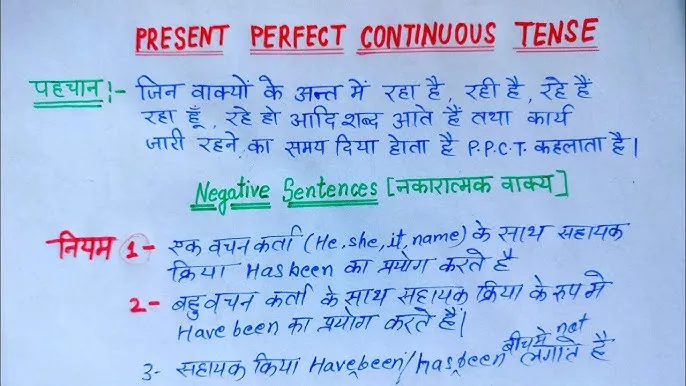
Present Perfect Tense अंग्रेजी व्याकरण का एक महत्वपूर्ण भाग है, जो हाल ही में पूरे हुए कार्यों को दर्शाता है। इस व्यापक मार्गदर्शिका में, हम present perfect tense in hindi sentences की गहराई से जाँच करेंगे। यह समझना आवश्यक है कि सहायक क्रिया (Auxiliary Verb) ‘has/have’ के साथ क्रिया की तीसरी फॉर्म (Third Form of Verb) का उपयोग कैसे किया जाता है। हम विस्तृत वाक्य संरचना (Sentence Structure) और कई अभ्यास उदाहरणों के माध्यम से इस विषय पर आपकी पकड़ मजबूत करेंगे। यह विषय भारतीय शिक्षार्थियों के लिए अंग्रेजी में धाराप्रवाह (Fluency in English) बनने के लिए अत्यंत महत्वपूर्ण है।
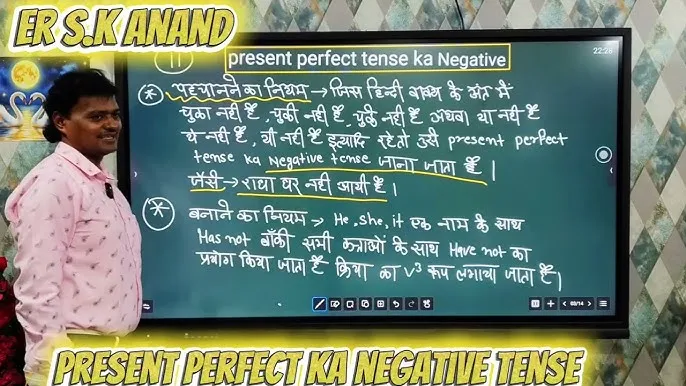
Present Perfect Tense की सटीक पहचान और मूल सिद्धांत
Present Perfect Tense उन कार्यों को व्यक्त करता है जो भूतकाल में शुरू हुए थे लेकिन उनका प्रभाव या परिणाम वर्तमान से जुड़ा हुआ है। यह टेंस हमें बताता है कि कोई कार्य ‘पूरा हो चुका है’। यह टेंस अक्सर हाल ही में समाप्त हुए कार्यों को संदर्भित करता है।
हिंदी में पहचान के मुख्य शब्द
जब किसी हिंदी वाक्य के अंत में ‘चुका है’, ‘चुकी है’, ‘चुके हैं’, ‘लिया है’, ‘दिया है’, ‘कहा है’, या ‘है’ के साथ ‘आ/ई/ए’ की ध्वनि आती है, तो वह वाक्य Present Perfect Tense का होता है। उदाहरण के लिए, “उसने खाना खा लिया है” या “वह स्कूल जा चुका है”।
Present Perfect Tense का महत्व
यह टेंस Simple Past Tense से भिन्न होता है क्योंकि Simple Past केवल समय बताता है। Present Perfect Tense वर्तमान पर परिणाम के महत्व पर जोर देता है। उदाहरण के लिए, अगर मैंने कहा “मैंने चाबियाँ खो दी हैं”, तो इसका मतलब है कि अब मेरे पास चाबियाँ नहीं हैं (वर्तमान परिणाम)।
सहायक क्रिया Has और Have का सही उपयोग
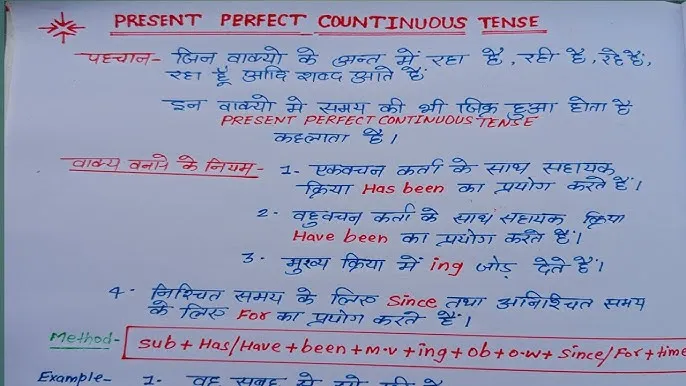
Present Perfect Tense के वाक्यों को बनाने के लिए सहायक क्रिया (Auxiliary Verb) Has या Have का प्रयोग किया जाता है, जिसके बाद हमेशा मुख्य क्रिया की तीसरी फॉर्म (V3 या Past Participle) आती है।
‘Has’ का उपयोग
‘Has’ का प्रयोग हमेशा एकवचन कर्ता (Singular Subject) के साथ किया जाता है। इसमें तीसरे व्यक्ति के एकवचन (Third Person Singular) कर्ता शामिल होते हैं।
| कर्ता (Subject) | उदाहरण (Example) |
|---|---|
| He (वह) | He has gone. |
| She (वह) | She has studied. |
| It (यह) | It has stopped. |
| Singular Noun (एकवचन संज्ञा) | Ram has finished. |
‘Have’ का उपयोग
‘Have’ का प्रयोग बहुवचन कर्ता (Plural Subject) और पहले व्यक्ति तथा दूसरे व्यक्ति के कर्ता के साथ किया जाता है।
| कर्ता (Subject) | उदाहरण (Example) |
|---|---|
| I (मैं) | I have written. |
| We (हम) | We have seen. |
| You (तुम/आप) | You have won. |
| They (वे) | They have arrived. |
| Plural Noun (बहुवचन संज्ञा) | Students have submitted. |
Present Perfect Tense के वाक्य संरचना के नियम
वाक्य संरचना Present Perfect Tense की नींव है। प्रत्येक प्रकार के वाक्य के लिए एक निश्चित क्रम का पालन करना आवश्यक होता है।
Affirmative Sentences (सकारात्मक वाक्य)
सकारात्मक वाक्य सबसे सीधे होते हैं। वे किसी कार्य के पूरा होने की पुष्टि करते हैं।
संरचना: Subject + Has/Have + Verb (V3) + Object.
मैं यह फिल्म पहले ही देख चुका हूँ।
I have already seen this movie.
उसने अपना होमवर्क पूरा कर लिया है।
He has completed his homework.
वे अभी-अभी भारत से लौटे हैं।
They have returned from India just now.
हमने इस समस्या का समाधान ढूंढ लिया है।
We have found the solution to this problem.
किसान अपने खेतों में काम कर चुके हैं।
The farmers have worked in their fields.
30 सकारात्मक उदाहरण (Affirmative Examples)
- उन्होंने मुझे सब कुछ बता दिया है।
They have told me everything. - उसने अपनी पुरानी कार बेच दी है।
He has sold his old car. - मैंने अपनी नौकरी बदल ली है।
I have changed my job. - बच्चे पार्क में खेल चुके हैं।
The children have played in the park. - पुलिस ने चोर को पकड़ लिया है।
The police have caught the thief. - वह दो भाषाएँ सीख चुकी है।
She has learned two languages. - हमने नया सॉफ्टवेयर स्थापित कर लिया है।
We have installed the new software. - तुमने यह खबर सुन ली है।
You have heard this news. - सूर्य अस्त हो चुका है।
The sun has set. - मैंने उसे कभी नहीं देखा है।
I have never seen him. - मेरे भाई ने परीक्षा पास कर ली है।
My brother has passed the examination. - बारिश रुक चुकी है।
The rain has stopped. - मैनेजर ने मीटिंग शुरू कर दी है।
The manager has started the meeting. - हमने सभी आवश्यक दस्तावेज़ जमा कर दिए हैं।
We have submitted all necessary documents. - उसने अपना वादा तोड़ दिया है।
He has broken his promise. - वे हाल ही में शादी कर चुके हैं।
They have recently gotten married. - मैंने चाय बना ली है।
I have made the tea. - राम ने अपना खाना खा लिया है।
Ram has eaten his food. - सीता ने कहानी लिख दी है।
Sita has written the story. - पक्षी घोंसला बना चुके हैं।
The birds have built the nest. - हम पहले ही दिल्ली पहुँच चुके हैं।
We have already reached Delhi. - उसने मुझे उपहार दिया है।
She has given me a gift. - तुमने मेरा लैपटॉप ठीक कर दिया है।
You have fixed my laptop. - मेरी बहन ने ग्रेजुएशन पूरी कर ली है।
My sister has completed graduation. - उसने अपनी गलती स्वीकार कर ली है।
He has admitted his mistake. - कर्मचारियों ने परियोजना पूरी कर ली है।
The employees have finished the project. - मैंने अपने कपड़े धो लिए हैं।
I have washed my clothes. - रमेश ने नया घर खरीदा है।
Ramesh has bought a new house. - ट्रेन स्टेशन से निकल चुकी है।
The train has left the station. - उसने दरवाजा खोल दिया है।
He has opened the door.
Negative Sentences (नकारात्मक वाक्य)
नकारात्मक वाक्य किसी कार्य के पूरा न होने या न किए जाने को दर्शाते हैं। इसमें सहायक क्रिया के तुरंत बाद ‘not’ का प्रयोग किया जाता है।
संरचना: Subject + Has/Have + Not + Verb (V3) + Object.
मैंने अभी तक अपना काम खत्म नहीं किया है।
I have not finished my work yet.
उसने मुझसे बात नहीं की है।
She has not talked to me.
वे मैच नहीं जीत पाए हैं।
They have not won the match.
तुमने सच नहीं बोला है।
You have not spoken the truth.
छात्रों ने असाइनमेंट जमा नहीं किया है।
The students have not submitted the assignment.
30 नकारात्मक उदाहरण (Negative Examples)
- उसने अपना कमरा साफ़ नहीं किया है।
He has not cleaned his room. - मैंने कभी विदेश यात्रा नहीं की है।
I have never travelled abroad. - पिताजी ने अभी तक अखबार नहीं पढ़ा है।
Father has not read the newspaper yet. - हमने उसे आमंत्रित नहीं किया है।
We have not invited him. - उसने यह फिल्म कभी नहीं देखी है।
She has never seen this movie. - डॉक्टर अभी तक अस्पताल नहीं पहुंचे हैं।
The doctor has not arrived at the hospital yet. - वे परियोजना पर सहमत नहीं हुए हैं।
They have not agreed on the project. - मैंने तुम्हें पत्र नहीं लिखा है।
I have not written a letter to you. - मोहन ने मेरी मदद नहीं की है।
Mohan has not helped me. - बच्चों ने शोर नहीं मचाया है।
The children have not made a noise. - सरकार ने कोई नई घोषणा नहीं की है।
The government has not made any new announcement. - उसने अपना बिल नहीं चुकाया है।
He has not paid his bill. - मैंने अपना मोबाइल नहीं खोया है।
I have not lost my mobile. - रानी ने आज खाना नहीं पकाया है।
Rani has not cooked food today. - उन्होंने अभी तक यात्रा शुरू नहीं की है।
They have not started the journey yet. - मैंने उसे कभी गाली नहीं दी है।
I have never abused him. - रामू ने जंगल में लकड़ी नहीं काटी है।
Ramu has not cut the wood in the forest. - रीमा वहां पहले कभी नहीं गई है।
Reema has never gone there before. - राहुल कपड़े खरीदने बाजार नहीं गया है।
Rahul has not gone to market to buy clothes. - सुधा पार्क में नहीं टहली है।
Sudha has not walked in the park. - मैंने यह गलती पहले कभी नहीं की है।
I have never made this mistake before. - उसने यह कहानी पहले कभी नहीं सुनाई है।
He has never told this story before. - माताजी ने अभी तक खाना नहीं बनाया है।
Mother has not cooked the food yet. - मरीज ने दवा नहीं खाई है।
The patient has not taken the medicine. - उसने समस्या का सामना नहीं किया है।
He has not faced the problem. - शिकारी ने जंगल में शिकार नहीं किया है।
The hunter has not hunted in the forest. - उसने मुझे निमंत्रण नहीं दिया है।
He has not invited me. - मीरा ने अपना पाठ याद नहीं किया है।
Meera has not learned her lesson. - मंजू ने अपनी मां को पैसे नहीं भेजे हैं।
Manju has not sent the money to her mother. - मैंने यह कुर्सी नहीं तोड़ी है।
I have not broken this chair.
प्रस्तुत पूर्ण काल के नियम बताते हुए एक छात्र अपने नोट्स देख रहा है।
Interrogative Sentences (प्रश्नवाचक वाक्य) – Type 1 (Yes/No Questions)
जब प्रश्न का उत्तर हाँ या ना में दिया जा सकता है, तो वाक्य सहायक क्रिया (Has/Have) से शुरू होता है। हिंदी में ये वाक्य ‘क्या’ से शुरू होते हैं।
संरचना: Has/Have + Subject + Verb (V3) + Object + ?
क्या तुमने कभी ताजमहल देखा है?
Have you ever seen the Taj Mahal?
क्या वह पहले ही खाना खा चुका है?
Has he already eaten the food?
क्या उन्होंने अपनी गलती मान ली है?
Have they admitted their mistake?
क्या अध्यापक कक्षा में पढ़ा चुके हैं?
Has the teacher taught in the class?
30 Type 1 प्रश्नवाचक उदाहरण (Yes/No Interrogative Examples)
- क्या उसने अपनी चाबियाँ खो दी हैं?
Has he lost his keys? - क्या आपने अपना पासपोर्ट ढूंढ लिया है?
Have you found your passport? - क्या बच्चों ने अपना गृहकार्य कर लिया है?
Have the children done their homework? - क्या रिया ने नौकरी छोड़ दी है?
Has Riya left the job? - क्या तुमने कभी समुद्री भोजन खाया है?
Have you ever eaten seafood? - क्या माताजी ने अपना पूरा काम कर लिया है?
Has Mother completed her entire work? - क्या पिताजी मंदिर में पूजा कर चुके हैं?
Has Father worshipped in the temple? - क्या हमने यह किताब पहले ही पढ़ ली है?
Have we already read this book? - क्या सुदिति ने अपने कपड़े धो लिए हैं?
Has Suditi washed her clothes? - क्या उसने अपना कमरा सजा लिया है?
Has she decorated her room? - क्या तुमने मुझे हिंदी पढ़ाई है?
Have you taught me Hindi? - क्या तुमने मुझे माफ कर दिया है?
Have you pardoned me? - क्या राहुल ने अभी-अभी खाना खाया है?
Has Rahul eaten the food just now? - क्या आप जयपुर कभी नहीं गए हो?
Have you never gone to Jaipur? - क्या उसने गरीबों की मदद नहीं की है?
Has he not helped the poor? - क्या उन्होंने नया प्रोजेक्ट शुरू कर दिया है?
Have they started the new project? - क्या आपका दोस्त शहर छोड़ चुका है?
Has your friend left the city? - क्या उसने कभी झूठ नहीं बोला है?
Has he never told a lie? - क्या डॉक्टर ने मरीज को देख लिया है?
Has the doctor examined the patient? - क्या आपने अपनी फीस चुका दी है?
Have you paid your fees? - क्या उन्होंने कल रात मूवी देखी है?
Have they watched the movie last night? - क्या शिक्षक ने परिणाम घोषित कर दिया है?
Has the teacher announced the result? - क्या तुमने मुझे यह पता बताया है?
Have you told me this address? - क्या राम ने यह शर्ट फाड़ी है?
Has Ram torn this shirt? - क्या मोहन ने यह घड़ी चुराई है?
Has Mohan stolen this watch? - क्या मीरा ने घर का काम समाप्त कर लिया है?
Has Meera finished the homework? - क्या राधा ने यह काम पहले कभी किया है?
Has Radha ever done this work before? - क्या गीता ने फिल्म पहले कभी देखी है?
Has Geeta ever seen the movie before? - क्या रोहित ने खाना पहले कभी बनाया है?
Has Rohit ever cooked the food before? - क्या उसने मुझे पहले कभी परेशान किया है?
Has he ever disturbed me before?
Interrogative Sentences (प्रश्नवाचक वाक्य) – Type 2 (Wh-Questions)
जब प्रश्न का उत्तर विस्तार से देने की आवश्यकता होती है, तो Wh-शब्द (जैसे क्यों, कब, कहाँ, क्या, कैसे) का प्रयोग किया जाता है। ये शब्द वाक्य की शुरुआत में आते हैं।
संरचना: Wh-Word + Has/Have + Subject + Verb (V3) + Object + ?
तुमने आज क्या खाया है?
What have you eaten today?
वह विद्यालय क्यों गया है?
Why has he gone to school?
उजाला ने यह काम कैसे किया है?
How has Ujala done this work?
उन्होंने अपनी कार की मरम्मत कब की है?
When have they repaired their car?
30 Type 2 प्रश्नवाचक उदाहरण (Wh-Interrogative Examples)
- तुमने यह काम क्यों पूरा नहीं किया है?
Why have you not completed this task? - उसने इतना सारा पैसा कहाँ खर्च किया है?
Where has he spent so much money? - आप इतनी देर से क्यों आए हैं?
Why have you come so late? - उन्होंने यह निर्णय कैसे लिया है?
How have they taken this decision? - तुम्हें किसने डांटा है?
Who has scolded you? - उन्होंने तुम्हें क्या सिखाया है?
What have they taught you? - राम अपनी माँ के साथ बाहर क्यों गया है?
Why has Ram gone out with his mother? - मोहन ने खाना क्यों खाया है?
Why has Mohan eaten the food? - हमने क्रिकेट क्यों खेला है?
Why have we played cricket? - वह चिड़ियाघर में घूमने क्यों गया है?
Why has he gone to visit the zoo? - ललित अभी-अभी अमेरिका क्यों आया है?
Why has Lalit come to America just now? - वह अभी-अभी मेरे घर क्यों आया है?
Why has he come to my house just now? - बच्चों ने खिड़की कैसे तोड़ी है?
How have the children broken the window? - तुमने इतनी जल्दी कैसे सीख लिया है?
How have you learned so quickly? - उसने इस्तीफा क्यों दे दिया है?
Why has he resigned? - डॉक्टर ने मरीज को कौन सी दवा दी है?
Which medicine has the doctor given to the patient? - वह कहाँ नौकरी ढूंढ चुका है?
Where has he looked for a job? - तुमने अपना नया फोन कहाँ रखा है?
Where have you kept your new phone? - उसने झूठ क्यों बोला है?
Why has he told a lie? - उसने इतना कठिन परिश्रम क्यों नहीं किया है?
Why has he not done such hard work? - मुन्नी ने खाना क्यों बर्बाद किया है?
Why has Munni wasted the food? - शिखा ने पार्टी में नृत्य क्यों नहीं किया है?
Why has Shikha not danced in the party? - अन्नू अभी-अभी फिरोजाबाद से क्यों नहीं लौटी है?
Why has Annu not returned from Firozabad just now? - तुमने किसे बुलाया है?
Whom have you called? - उसने यह उपन्यास कब लिखा है?
When has he written this novel? - वे इतनी ऊंचाई तक कैसे चढ़े हैं?
How have they climbed up to this height? - तुम किस विषय पर चर्चा कर चुके हो?
What subject have you discussed? - इस साल कितने छात्र उत्तीर्ण हुए हैं?
How many students have passed this year? - उसने मेरी किताब क्यों चुराई है?
Why has he stolen my book? - उन्होंने नया नियम कब लागू किया है?
When have they implemented the new rule?
Interrogative Negative Sentences (प्रश्नवाचक-नकारात्मक वाक्य)
ये वाक्य प्रश्न भी पूछते हैं और नकारात्मकता भी दर्शाते हैं। ‘Not’ का प्रयोग हमेशा Subject के बाद किया जाता है।
संरचना (Type 1): Has/Have + Subject + Not + Verb (V3) + Object + ?
संरचना (Type 2): Wh-Word + Has/Have + Subject + Not + Verb (V3) + Object + ?
क्या तुमने मुझे माफ नहीं किया है?
Have you not pardoned me?
वह मेरे घर क्यों नहीं आया है?
Why has he not come to my home?
30 प्रश्नवाचक-नकारात्मक उदाहरण (Interrogative Negative Examples)
- क्या उसने यह काम पूरा नहीं किया है?
Has he not finished this work? - क्या हमने खेत पर काम नहीं किया है?
Have we not done work on the farm? - क्या उसने मेरी घड़ी नहीं चुराई है?
Has he not stolen my watch? - क्या तुमने घर का काम कभी नहीं किया है?
Have you never done your homework? - क्या मोहन ने किसी की बुराई नहीं की है?
Has Mohan not slagged anybody? - क्या मधु ने किताब नहीं खरीदी है?
Has Madhu not bought the book? - क्या उज्जवल ने कहानी नहीं सुनाई है?
Has Ujjawal not told the story? - क्या मैंने उसे नहीं चिढ़ाया है?
Have I not teased him? - क्या राहुल ने अपने भाई को नहीं डांटा है?
Has Rahul not scolded his brother? - क्या सरकार ने नए नियम लागू नहीं किए हैं?
Has the government not implemented the new rules? - तुमने आज नाश्ता क्यों नहीं किया है?
Why have you not eaten breakfast today? - वह अपनी परीक्षा के लिए अध्ययन क्यों नहीं कर चुका है?
Why has he not studied for his exam? - आपने मुझे सच क्यों नहीं बताया है?
Why have you not told me the truth? - मेरी माताजी मंदिर क्यों नहीं गई हैं?
Why has my mother not gone to the temple? - साहिल ने मेरी मदद क्यों नहीं की है?
Why has Sahil not helped me? - क्या उन्होंने अभी तक हमारा संदेश नहीं पढ़ा है?
Have they not read our message yet? - क्या तुम कभी अमेरिका नहीं गए हो?
Have you never gone to America? - क्या उसने अपना पता नहीं बदला है?
Has he not changed his address? - क्या हमने सभी निर्देशों का पालन नहीं किया है?
Have we not followed all the instructions? - क्या राम ने अभी तक सीता को फ़ोन नहीं किया है?
Has Ram not called Sita yet? - बच्चों ने अपनी पेंसिलें कहाँ नहीं रखी हैं?
Where have the children not kept their pencils? - उसने हमें पहले क्यों नहीं सूचित किया है?
Why has he not informed us earlier? - क्या वे कल रात पार्टी में नहीं गए हैं?
Have they not gone to the party last night? - क्या मैंने तुम्हें यह पहले कभी नहीं समझाया है?
Have I never explained this to you before? - क्या प्रिंसिपल ने छात्रों से बात नहीं की है?
Has the Principal not talked to the students? - तुमने नई कार क्यों नहीं खरीदी है?
Why have you not bought the new car? - क्या उसने अपने कपड़े नहीं बदले हैं?
Has he not changed his clothes? - क्या मोहित मैदान में मैच नहीं हारा है?
Has Mohit not lost the match in the playground? - क्या राहुल फ़ोन अपने साथ नहीं ले गया है?
Has Rahul not carried the phone with him? - क्या उसने एक शेर को नहीं मारा है?
Has he not killed a lion?
Present Perfect Tense के विशिष्ट उपयोग और अपवाद
Present Perfect Tense सिर्फ हाल ही में पूरे हुए कार्यों तक सीमित नहीं है। इसके कुछ महत्वपूर्ण और विशिष्ट उपयोग हैं जो इसकी गहराई को दर्शाते हैं, खासकर जब हम अंग्रेजी में बातचीत करते हैं।
1. अनिश्चित समय में अनुभव व्यक्त करना (Life Experience)
इस टेंस का उपयोग तब किया जाता है जब हम अपने जीवन के अनुभवों के बारे में बात करते हैं, जहाँ कार्य पूरा हो चुका है, लेकिन समय निर्दिष्ट नहीं है। अक्सर इसके साथ ‘ever’, ‘never’, ‘before’, ‘once’, ‘many times’ का प्रयोग होता है।
मैंने पहले कभी ऐसा स्वादिष्ट खाना नहीं खाया है।
I have never eaten such delicious food before.
वह तीन बार यूरोप जा चुका है।
He has been to Europe three times.
2. भूतकाल का कार्य जिसका परिणाम वर्तमान में हो (Current Result)
कार्य भले ही भूतकाल में पूरा हुआ हो, लेकिन उसका परिणाम या प्रभाव वर्तमान समय तक जारी रहता है।
उसने अपनी नौकरी छोड़ दी है, इसलिए अब वह बेरोजगार है।
He has quit his job, so he is unemployed now.
मैं अपनी उंगली काट चुका हूँ। (वर्तमान परिणाम: अब दर्द हो रहा है या खून बह रहा है।)
I have cut my finger.
3. हाल ही में समाप्त हुए कार्यों के लिए (Recently Completed Actions)
जब हम ‘just’, ‘already’, और ‘yet’ जैसे समय संकेतकों का उपयोग करते हैं, तो यह कार्य की निकटता को दर्शाता है।
वह पहले ही अपना नाश्ता कर चुकी है। (‘Already’ हमेशा Has/Have और V3 के बीच आता है।)
She has already had her breakfast.
वे अभी-अभी निकले हैं। (‘Just’ भी Has/Have और V3 के बीच आता है।)
They have just left.
क्या तुम अभी तक डॉक्टर से नहीं मिले हो? (‘Yet’ आमतौर पर नकारात्मक या प्रश्नवाचक वाक्यों के अंत में आता है।)
Have you not met the doctor yet?
Present Perfect vs. Simple Past (भ्रम निवारण)
Present Perfect Tense का प्रयोग करते समय यह सुनिश्चित करना आवश्यक है कि आपने किसी विशिष्ट समय (जैसे ‘yesterday’, ‘last week’, ‘in 1990’) का उल्लेख न किया हो।
| Present Perfect Tense (वर्तमान पर जोर) | Simple Past Tense (समय पर जोर) |
|---|---|
| I have read that book. (मैंने पढ़ ली है, यह महत्वपूर्ण है।) | I read that book last year. (समय निर्दिष्ट है।) |
| He has gone to Mumbai. (वह अभी मुंबई में है।) | He went to Mumbai yesterday. (वह कल गया, अब वह वापस आ सकता है।) |
Present Perfect Tense in Hindi Sentences: अतिरिक्त 50 उन्नत उदाहरण
इन अतिरिक्त उदाहरणों के माध्यम से आप अपनी वाक्य संरचना (Sentence Structure) और क्रिया की तीसरी फॉर्म (V3) के उपयोग को मजबूत कर सकते हैं। ये उदाहरण सामान्य और थोड़े उन्नत दोनों तरह के वाक्यों को कवर करते हैं।
दैनिक जीवन और व्यावसायिक उदाहरण
- उन्होंने मुझे चेतावनी दे दी है।
They have warned me. - मैंने इस बारे में कभी नहीं सोचा है।
I have never thought about this. - प्रबंधक ने परियोजना को मंजूरी दे दी है।
The manager has approved the project. - हमने पिछले हफ्ते से कॉफी नहीं पी है।
We have not had coffee since last week. - कर्मचारी हड़ताल पर जा चुके हैं।
The employees have gone on strike. - उसने गलती से दस्तावेज़ हटा दिया है।
He has accidentally deleted the document. - क्या सरकार ने कर बढ़ा दिया है?
Has the government increased the tax? - तुमने अपनी जिम्मेदारी कब स्वीकार की है?
When have you accepted your responsibility? - क्या आपने कभी योग का अभ्यास किया है?
Have you ever practiced yoga? - मेरी माँ ने मुझे एक नया स्वेटर बुना है।
My mother has knitted me a new sweater. - वे सुबह से जाग चुके हैं।
They have woken up since morning. - मैंने यह रहस्य किसी को नहीं बताया है।
I have not disclosed this secret to anyone. - क्या आपने मेरी अनुपस्थिति को चिह्नित किया है?
Have you marked my absence? - उसने अपनी साइकिल की मरम्मत करा ली है।
He has repaired his bicycle. - वैज्ञानिकों ने नए ग्रह की खोज की है।
Scientists have discovered a new planet.
‘Just’, ‘Already’, ‘Yet’ का उपयोग
- ट्रेन अभी-अभी स्टेशन पर रुकी है।
The train has just stopped at the station. - मैंने पहले ही तुम्हें ईमेल भेज दिया है।
I have already sent you the email. - क्या उसने अभी तक अपना होमवर्क जमा नहीं किया है?
Has he not submitted his homework yet? - वे पहले ही लंच कर चुके हैं।
They have already had lunch. - मैंने अभी-अभी तुम्हारी आवाज सुनी है।
I have just heard your voice. - क्या तुमने अभी तक अपना सामान पैक नहीं किया है?
Haven’t you packed your luggage yet? - वह पहले ही बैंक जा चुका है।
He has already gone to the bank. - मैंने अभी-अभी उसे फ़ोन किया है।
I have just called him. - क्या तुमने यह कहानी पहले कभी सुनी है?
Have you ever heard this story before? - उसने कभी भी अपनी हार स्वीकार नहीं की है।
He has never accepted his defeat.
जटिल और मिश्रित वाक्य
- चूंकि यह ठंडा हो गया है, मैंने एक स्वेटर पहन लिया है।
Since it has gotten cold, I have put on a sweater. - जब से वह गई है, हम उससे नहीं मिले हैं।
Since she has gone, we have not met her. - यह पहली बार है जब मैंने इतना अच्छा भाषण सुना है।
This is the first time I have heard such a good speech. - उन्होंने कई चुनौतियों का सामना किया है लेकिन हार नहीं मानी है।
They have faced many challenges but have not given up. - राम ने अपनी बहन को क्यों डांटा है जबकि उसने कुछ गलत नहीं किया है?
Why has Ram scolded his sister when she has not done anything wrong? - क्या आपने कभी यह महसूस किया है कि आप सफल हो चुके हैं?
Have you ever felt that you have succeeded? - मैंने अब तक तीन बार गलती की है।
I have made a mistake three times so far. - वे अपनी परीक्षा उत्तीर्ण कर चुके हैं, इसलिए वे बहुत खुश हैं।
They have passed their exam, so they are very happy. - अध्यापक ने मुझे बताया है कि मैंने अच्छा प्रदर्शन किया है।
The teacher has told me that I have performed well. - मैंने इतनी दूरी पहले कभी नहीं चली है।
I have never walked this distance before. - उसने अभी तक यह फैसला नहीं लिया है कि वह क्या करेगा।
He has not yet decided what he will do. - क्या आप कभी इतने लंबे समय तक यहाँ रहे हैं?
Have you ever stayed here for so long? - हमने अपनी यात्रा की योजना बनाई है और टिकट बुक कर लिए हैं।
We have planned our trip and booked the tickets. - तुमने मुझे यह महत्वपूर्ण जानकारी पहले क्यों नहीं दी है?
Why have you not given me this important information earlier? - वह शायद देर से आएगा क्योंकि उसकी कार खराब हो गई है।
He might come late because his car has broken down. - उन्होंने अपने पुराने घर को बेच दिया है।
They have sold their old house. - मैंने अपनी जिंदगी में बहुत कुछ हासिल किया है।
I have achieved a lot in my life. - क्या तुमने आज सुबह व्यायाम किया है?
Have you exercised this morning? - मैं इस शहर में 10 साल से रह चुका हूँ।
I have lived in this city for 10 years. - क्या उसने तुम्हें आमंत्रित करने के लिए फ़ोन किया है?
Has he called you to invite you? - पुलिस ने सभी सबूत इकट्ठा कर लिए हैं।
The police have gathered all the evidence. - उसने अपना फ़ोन स्विच ऑफ कर लिया है।
He has switched off his phone. - हमने यह खेल पहले कभी नहीं खेला है।
We have never played this game before. - उन्होंने सभी नियमों का उल्लंघन किया है।
They have violated all the rules. - मैंने उसे यह काम करने के लिए मना किया है।
I have forbidden him to do this work.
200 से अधिक वाक्यों का सारांश और अभ्यास
Present Perfect Tense को समझना और इसका सही उपयोग करना अंग्रेजी सीखने की प्रक्रिया में एक महत्वपूर्ण मील का पत्थर है। यह टेंस हमें भूतकाल और वर्तमान के बीच एक स्पष्ट संबंध स्थापित करने में मदद करता है। आपने देखा कि कैसे present perfect tense in hindi sentences को Has/Have + V3 के सरल नियम का पालन करके चार मुख्य संरचनाओं (सकारात्मक, नकारात्मक, प्रश्नवाचक और प्रश्नवाचक-नकारात्मक) में ढाला जाता है। इन 200 से अधिक उदाहरणों के निरंतर अभ्यास से आप इस काल पर अपनी पकड़ मजबूत कर सकते हैं और अपनी अंग्रेजी में धाराप्रवाह सुधार सकते हैं। अब आप उन कार्यों के बारे में आत्मविश्वास से बात करने के लिए तैयार हैं जो पूरे हो चुके हैं और जिनका प्रभाव आज भी है।
Last Updated on 10/11/2025 by Emma Collins

Hello there! I’m Emma Collins, your English instructor at Skilled English. Learning a new language doesn’t have to be stressful or confusing — and I’m here to prove it. With over 6 years of experience teaching English to beginners, my goal is to help you feel confident in speaking, writing, and understanding English step by step. Read more


